
Syracuse-led study finds sperm cooperation widespread across arthropods
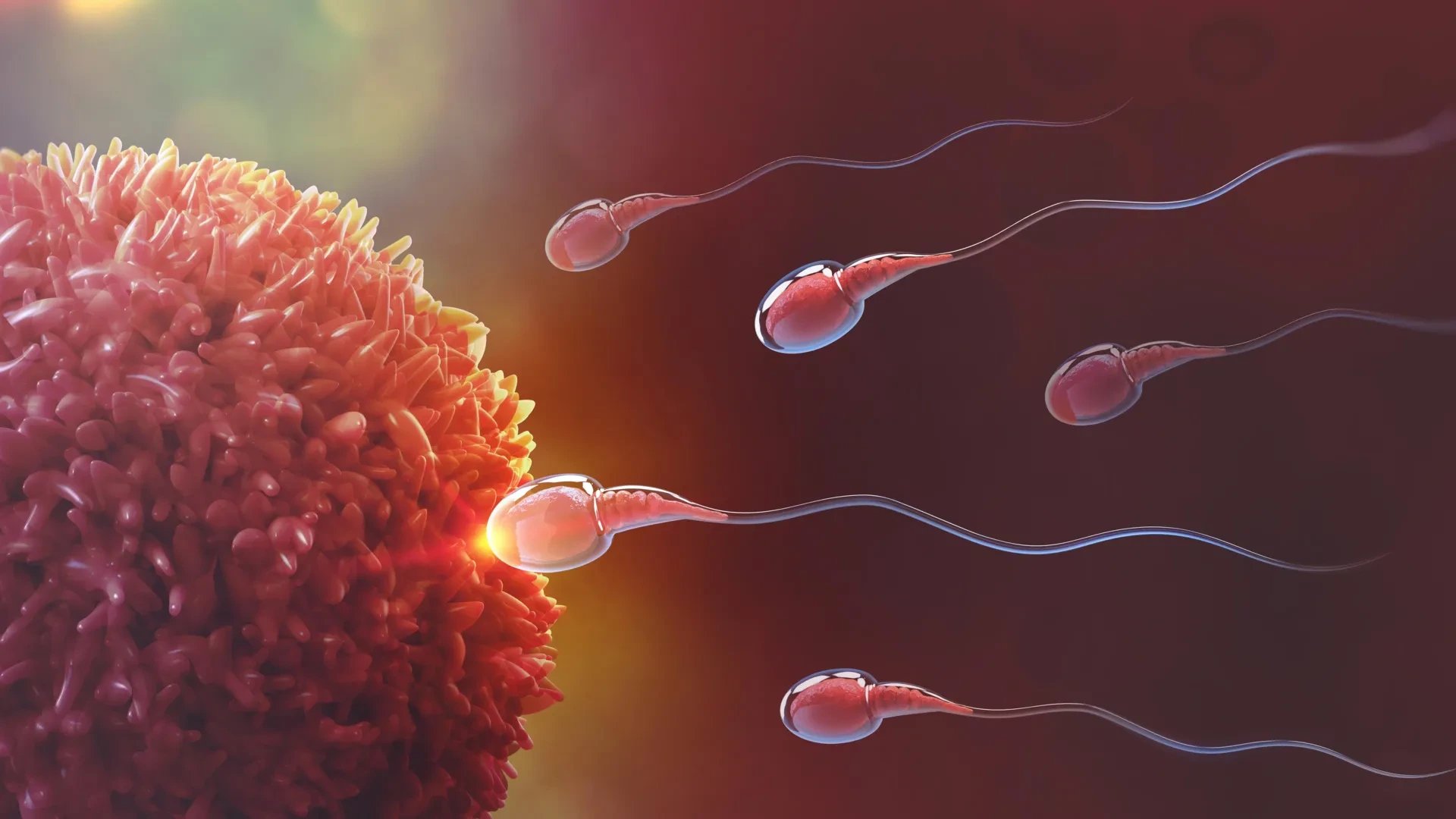
This digest was compiled by AI from multiple sources — links to the originals are below.
An international research team led by Syracuse University has found that sperm cooperation is widespread across arthropods, challenging the traditional view of fertilization as a solo race. The study, published August 6 in Nature Communications, reveals that sperm conjugation evolved multiple times independently and may offer advantages in reproduction. The findings could shift understanding of fertility and influence pest-control strategies.
Sperm Conjugation Across Arthropods
The study, published in Nature Communications, analyzed examples of sperm conjugation across arthropods—a group that includes insects, spiders, crabs, and centipedes. Researchers from Syracuse University, the University of Siena, and the University of Szeged found that the phenomenon emerged repeatedly over hundreds of millions of years and is not as rare as previously thought. Sperm conjugation involves sperm cells forming organized groups or structures that may improve their ability to reach and fertilize an egg.
Mechanisms of Cooperation
The research highlights the role of sperm-associated material (SAM), a membrane-enclosed substance that can bind sperm together or arrange them into groups. Scientists suggest SAM may have originally evolved for packaging or protecting sperm, later enabling cooperative behavior. By traveling in teams, sperm cells can better navigate the complex female reproductive tract, gaining advantages in mobility and overall performance.
1 source
Time · lag behind first