
EU Struggles to Curb Energy Transition Dependence on China
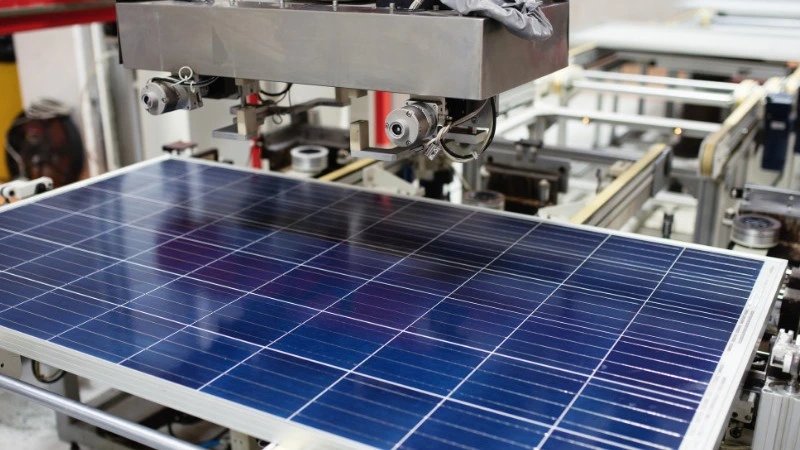
This digest was compiled by AI from multiple sources — links to the originals are below.
The European Union has replaced its dependence on Russian energy with heavy reliance on Chinese clean energy components. EU Climate Action Commissioner Wopke Hoekstra called the dependence a dangerous vulnerability for climate ambitions and economic security. The EU has launched measures to reduce reliance, but none have made a meaningful impact so far.
Key Facts
- The EU has relied on imports of solar panels, wind turbines, critical minerals, and battery materials from China for its renewable energy buildout.
- EU Climate Action Commissioner Wopke Hoekstra said the high dependence on China is a 'dangerous and uncomfortable' vulnerability for Europe's climate ambitions and economic security.
- Hoekstra told Euronews that Europe should have acted five or ten years ago, and the longer it delays decisive action, the higher the costs will be in the long term.
- A report by the European Court of Auditors found earlier this year that the EU is struggling to diversify its imports.
Dependence on China
The EU has replaced its dependence on Russian energy with heavy reliance on Chinese clean energy components. Cheaper Chinese products have flooded the EU market, raising concerns about domestic manufacturing, energy security, and national security. Since the launch of the EU green deal, the Russian invasion of Ukraine, and the Middle East crisis, the EU has moved to slash its oil and gas dependence. In the process of rapidly rolling out solar, wind, and battery capacity, Europe has replaced fossil fuel dependence with dependence on China for critical minerals and components.
Cost of Reducing Reliance
Building domestic capacity will reduce the reliance on China, but it will come with high costs in the short term, according to EU Climate Action Commissioner Wopke Hoekstra. Hoekstra told Euronews that Europe should have acted five or ten years ago, and the longer it delays decisive action, the higher the costs will be in the long term. He added that it will be much cheaper and more to Europe's advantage to act now than to wait another five to ten years. Chinese parts and equipment are also a vulnerability for Europe's security of critical infrastructure, Hoekstra said.
Challenges and Struggles
The EU is struggling to diversify its imports, a report by the European Court of Auditors found earlier this year. Europe has struggled to find the balance between fast green energy rollout to meet its ambitious climate goals and cut fossil fuel dependence, and too much reliance on Chinese products for the energy transition. The EU has launched measures to reduce the reliance on Chinese clean energy components, but none have made a meaningful impact so far.
1 source
Time · lag behind first