
US Treasury Secretary Bessent rejects China's $1.2 trillion trade surplus at G20
This digest was compiled by AI from multiple sources — links to the originals are below.
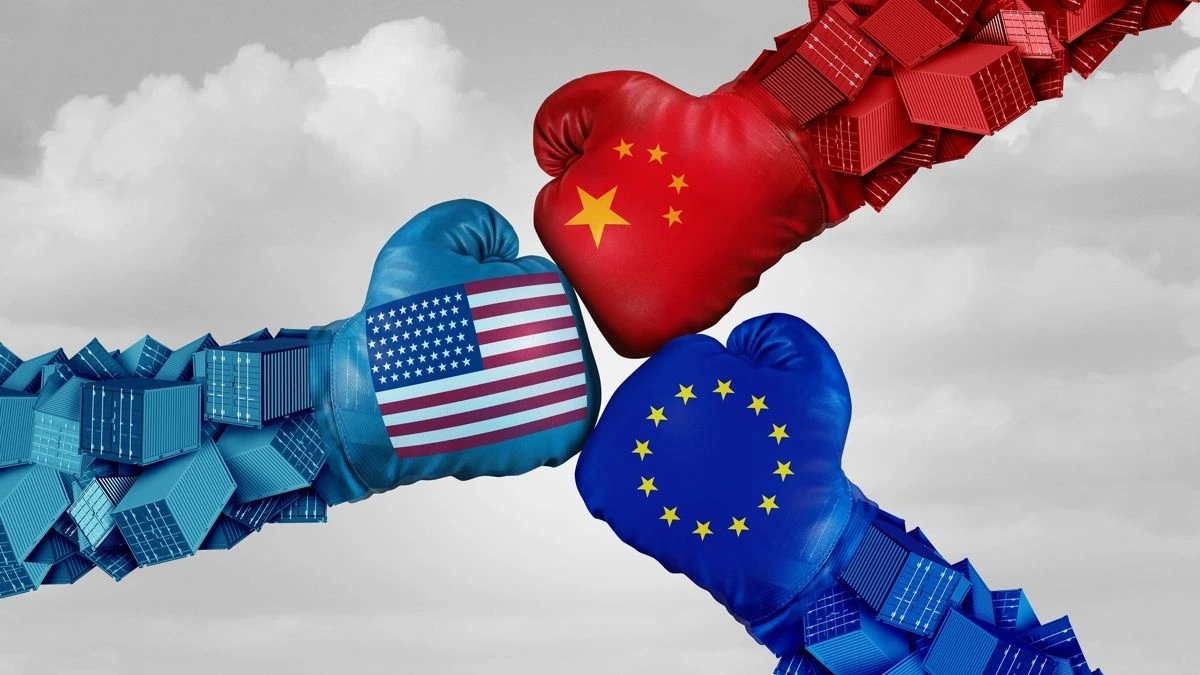
US Treasury Secretary Scott Bessent said on August 30 that the world cannot have a China with a $1.2 trillion trade surplus. At the G20 finance ministers' meeting in Asheville on August 31–September 1, all participants except China backed language on addressing non-market policies that worsen imbalances. China objected, and the US issued a chair's statement instead of a joint communiqué.
Key Facts
- China ended 2025 with a trade surplus of about $1.2 trillion, according to Forbes Kazakhstan.
- US Treasury Secretary Scott Bessent said on August 30 that the world cannot have a China with a $1.2 trillion trade surplus.
- At the G20 meeting in Asheville on August 31–September 1, all participants except China supported language on eliminating non-market policies and practices that worsen imbalances.
- On September 3, Chinese Commerce Ministry spokesperson Huang Lin said using the G20 to hype economic imbalances and overcapacity is essentially promoting protectionism.
US Position
US Treasury Secretary Scott Bessent said on August 30 that the world cannot have a China with a $1.2 trillion trade surplus. On September 1, after the G20 meeting in Asheville, Bessent said it is an unsustainable model for a non-market economy to endlessly dump cheap exports on the world market. He argued that China is trying to compensate for weak domestic demand through exports and should rely more on internal consumption.
China's Response
Chinese Deputy Finance Minister Liao Min told the G20 meeting on August 31–September 1 that the group should follow a genuine multilateral approach and promote stronger global growth. He called on participants to defend free trade and create conditions for the free movement of goods and capital. On September 3, Commerce Ministry spokesperson Huang Lin said using the G20 to hype economic imbalances and overcapacity is essentially promoting protectionism. She said such arguments become justification for pressuring China and can disrupt global production and trade chains.
1 source
Time · lag behind first