
SDSS-V releases 3 million spectra in first Southern Hemisphere data
This digest was compiled by AI from multiple sources — links to the originals are below.
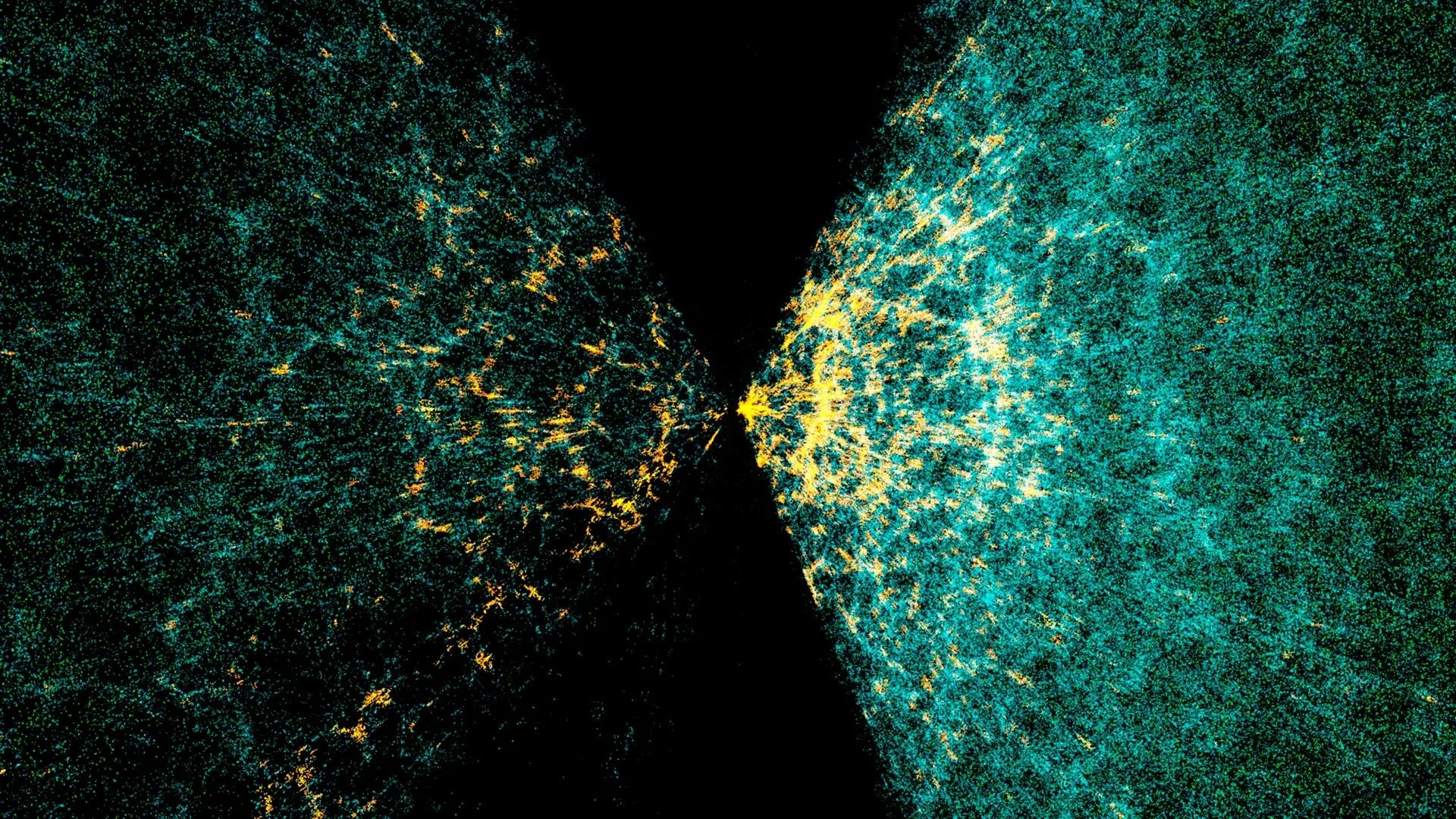
The Sloan Digital Sky Survey V releases Data Release 20, adding more than three million new spectra and its first optical observations from the Southern Hemisphere. The data combine observations from Las Campanas Observatory in Chile and Apache Point Observatory in New Mexico, extending spectroscopic coverage across both hemispheres.
Data Release 20
The release includes more than three million spectra of stars and galaxies and 18 value-added catalogs, according to the SDSS-V collaboration. For the first time, SDSS-V optical observations cover the Southern Hemisphere through spectra collected at Las Campanas Observatory in Chile. These southern observations are combined with updated measurements from Apache Point Observatory in New Mexico. SDSS-V spokesperson Emily Griffith of University of Colorado Boulder said the release is the product of years of work by an international team of astronomers.
Southern Hemisphere Coverage
DR20 marks the first inclusion of SDSS-V stellar and extra-galactic optical BOSS spectra taken from the southern sky. Observations were made with the du Pont 2.5m Telescope at Las Campanas Observatory in Chile and merged with data from the Sloan Foundation 2.5m Telescope at Apache Point Observatory. The two observing sites allow SDSS-V to operate across both hemispheres, moving the survey toward panoptic spectroscopy. The survey's ongoing effort is part of a broader multi-wavelength, multi-epoch optical and infrared program.
Research Targets
Catalogs in DR20 cover black holes, stars, and interstellar gas, along with visualizations and scientific tools for exploring the data. The spectra include rare stars, glowing nebulae, hundreds of thousands of X-ray sources, and supermassive black holes that change over time. By combining northern and southern observations, the survey gives astronomers a broader view of stars, gas, and galaxies throughout the cosmos. The release is intended to support studies of the nearby and distant Universe and the physical processes that shape it.
1 source
Time · lag behind first