
Yale-led study finds extreme weather limits ranges of 500 North American bird species
This digest was compiled by AI from multiple sources — links to the originals are below.
Yale-led research published in Global Change Biology shows that extreme weather events now limit where more than 500 North American bird species can occur. Models without temperature and drought extremes overestimate winter habitat ranges by an average of 10% and summer ranges by 6%, with the largest errors in the Great Plains and the southwestern United States. The discrepancy is greatest in winter, when North American weather is most variable.
Model Design
The research team led by Jeremy Cohen of Yale’s Department of Ecology & Evolutionary Biology combined satellite and ground-based environmental data with citizen sightings from the eBird database for more than 500 bird species. They built species distribution models that included temperature and drought extremes, then compared them with standard models using only average or seasonal weather. The extreme-weather models were more accurate and produced habitat ranges that were substantially smaller. Cohen, who works with co-author Walter Jetz in the Yale Center for Biodiversity and Global Change, described the study as the first continental-scale look at how variable and extreme weather affects avian biodiversity.
Regional Discrepancies
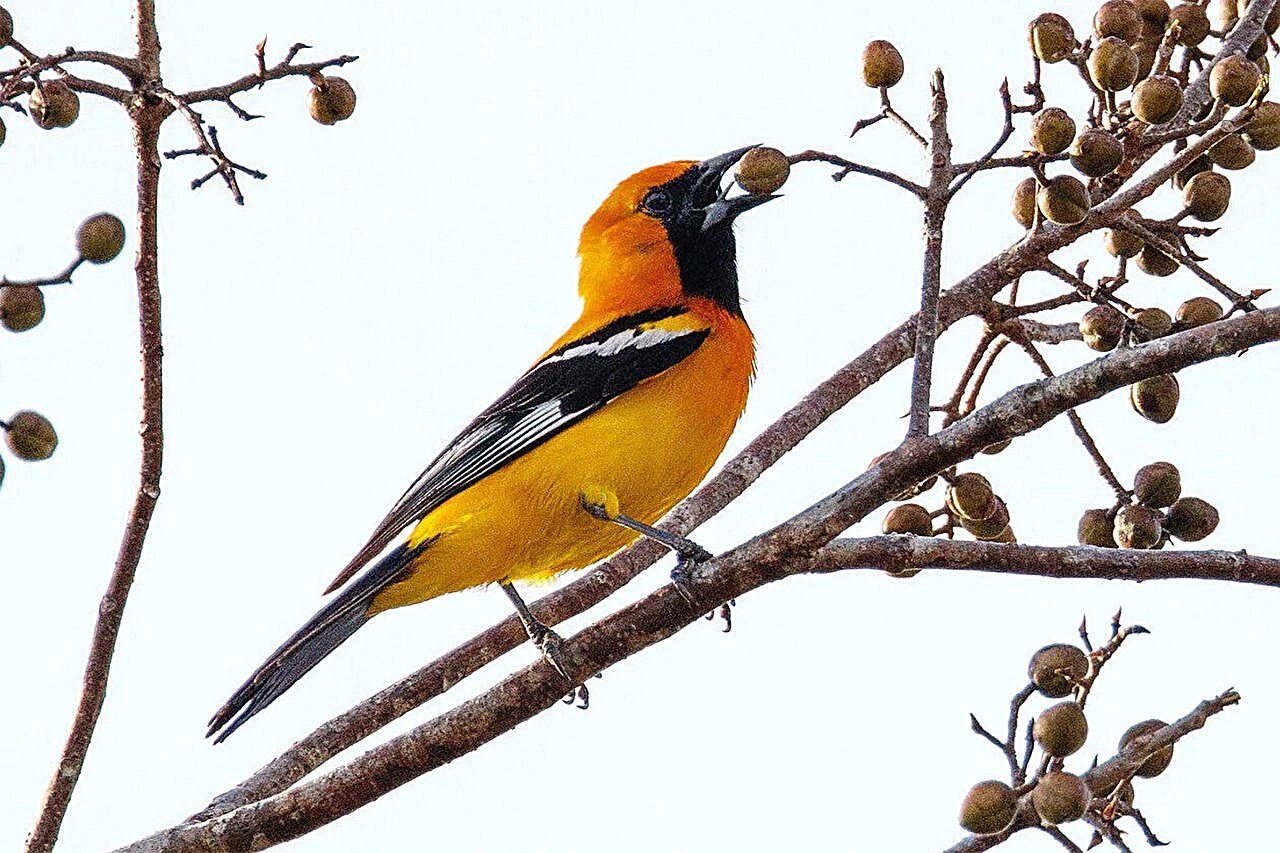
The overestimates were most pronounced in the Great Plains and southwestern United States, where species ranges and total species counts were significantly inflated when extreme weather was omitted. Winter habitat ranges predicted without extreme events were, on average, 10% too large, compared with 6% in summer. For individual species the gap widened further: the predicted range for the hooded oriole, which breeds in the southwestern U.S., was about 30% larger than observed. Cohen attributed the largest differences to the higher weather variability of North American winters.
Biodiversity Estimates
Researchers said the findings indicate that biodiversity measures for North American birds may be overstated when based on existing range maps. The study, published in Global Change Biology, suggests total species counts in the Great Plains and Southwest are significantly overestimated. The hooded oriole example shows how a single species’ modeled range can exceed observed occurrence by roughly one-third. These errors carry implications for conservation planning that relies on species distribution data.
1 source
Time · lag behind first