
International team produces high-yield, altitude-tolerant buckwheat in Cell study
This digest was compiled by AI from multiple sources — links to the originals are below.
An international research team led by the Chinese Academy of Agricultural Science has developed a Tartary buckwheat line that combines high yield with tolerance to high-altitude stress, according to a study published Wednesday in Cell. The line, produced through pangenome-guided breeding, incorporates genetic material from wild relatives and landraces, boosting seed size and altitude adaptability. The breakthrough could help breeders stack resilience and yield in other major crops, even as climate pressures mount.
The Pangenome Approach
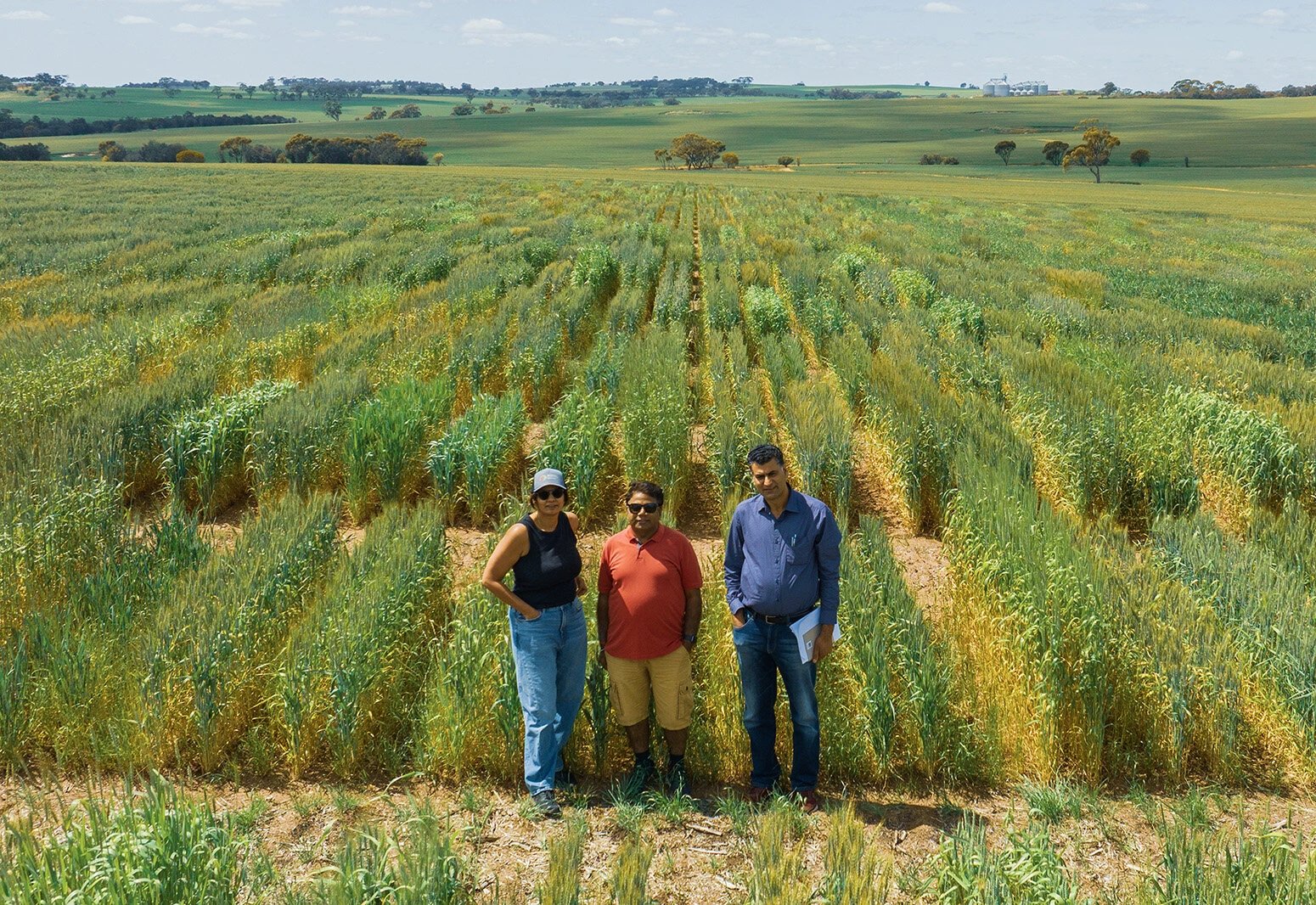
The team assembled a graph-based pangenome from 16 Tartary buckwheat genomes and identified 123,131 structural variants. Unlike conventional breeding that relies on single-nucleotide polymorphisms against a single reference, this approach captures lost genetic diversity from wild relatives and landraces. The study involved 22 institutions across 10 countries, led by the Chinese Academy of Agricultural Science with participation from Murdoch University's Centre for Crop and Food Innovation.
Stacking Resilience and Yield
The pangenome revealed a wild-specific gene enhancing high-altitude fitness and a region linked to seed-size variation. By stacking these traits, the researchers developed buckwheat lines that showed higher yield and altitude tolerance across test sites. "A pangenome captures the whole vocabulary, including the words a crop lost along the way," said Rajeev Varshney, CCFI director and co-corresponding author.
Transferable Strategy
The authors argue the method is not limited to buckwheat. All major crops have wild relatives and landraces with untapped variation, so pangenome-guided breeding could accelerate improvement in wheat, rice, and other staples. The study provides a template for reintroducing beneficial alleles lost through domestication, including copy-number variants invisible to SNP-based methods.
1 source
Time · lag behind first