
U.S. Air Force advances affordable supersonic interceptor program as China, Russia expand arsenals
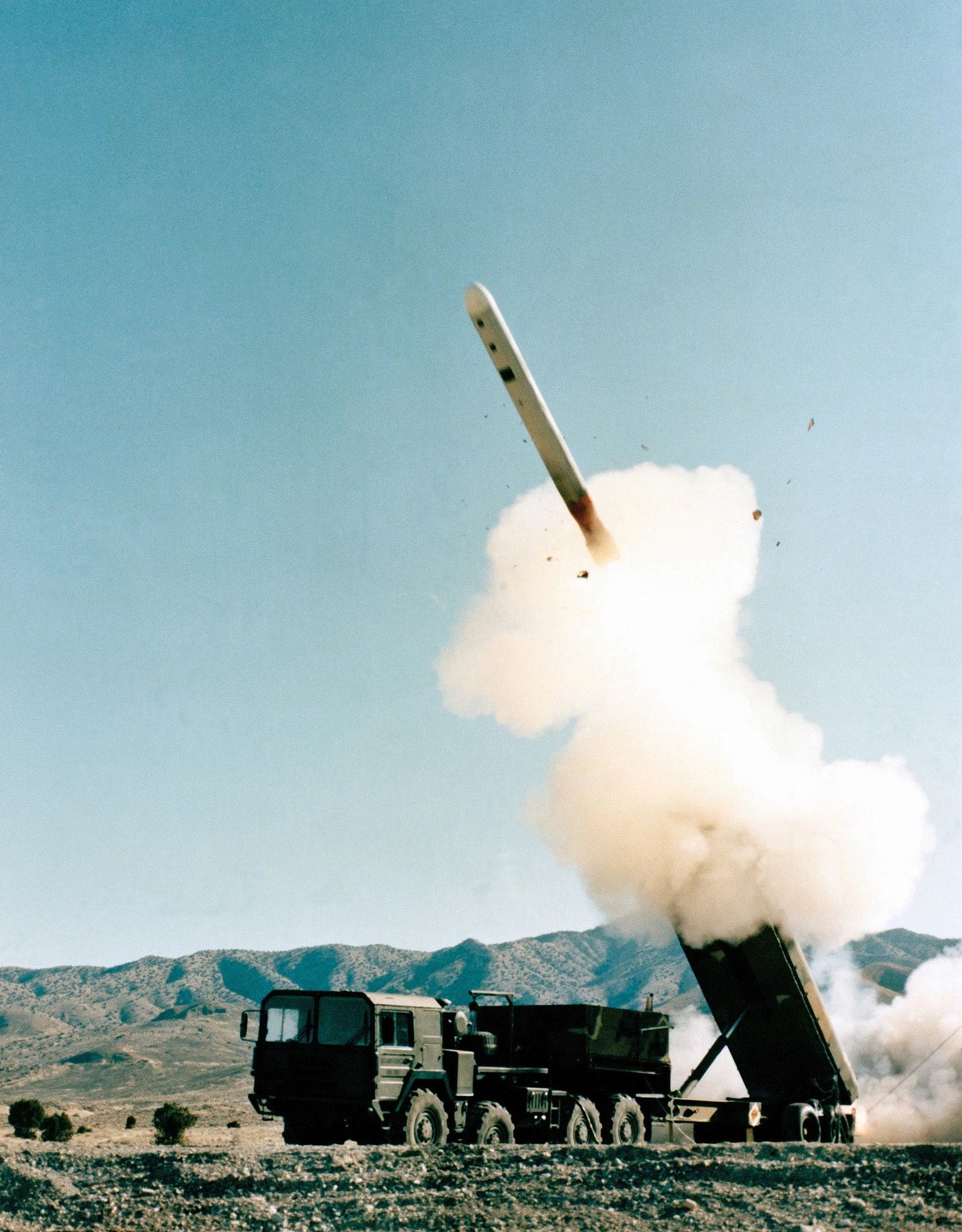
This digest was compiled by AI from multiple sources — links to the originals are below.
The U.S. Air Force is advancing a ground-launched supersonic counter-air missile effort, with a solicitation released under the CAMP-GLCA program. Proposals were due August 3 and vendor presentations took place the week of August 10. The service aims to field an interceptor priced at $500,000 or less per round, even as China and Russia expand their cruise missile and drone arsenals.
Affordable Mass in Air Defense
The U.S. Air Force seeks to shift from high-cost, limited-quantity interceptors to a model of affordable mass. The new missile must defeat cruise missiles, drones, and other air-breathing threats in a sustained conflict. This approach aims to preserve expensive interceptors like Patriot for the most demanding threats. The concept responds to Chinese and Russian modernization that stresses base defenses with large salvos of cheaper weapons. The CAMP-GLCA effort is a key step in building larger defensive magazines for dispersed operating locations.
Program Structure and Production Targets
The solicitation FA8659-26-R-9001 called for proposals by August 3, 2026, with oral presentations the following week. The program targets a unit cost of $500,000 or less, with potential production of 1,000 to 3,500 missiles. Selected prototypes will feed into the Ground Launched Counter Air branch of the Family of Affordable Mass Missiles. A Common Containerized Launcher is being developed in parallel to enable flexible deployment. The Air Force Life Cycle Management Center’s Armament Directorate is evaluating the designs.
1 source
Time · lag behind first