
Japan Proposes Submarine-Launched Hypersonic Missile in FY2027 Budget
This digest was compiled by AI from multiple sources — links to the originals are below.
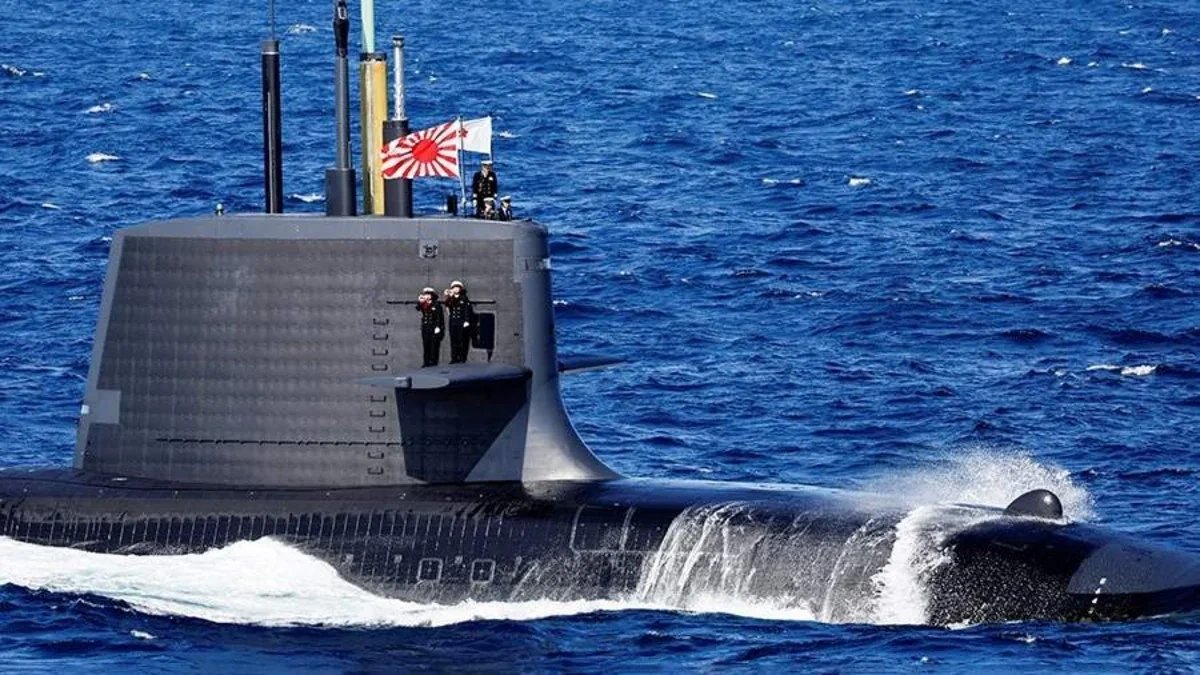
Japan has proposed developing a submarine-launched hypersonic guided missile capable of exceeding Mach 5 in its FY2027 defense budget request. The project includes ¥48 billion ($325 million) for research into an underwater vertical launch system for Japan Maritime Self-Defense Force submarines. The move aims to strengthen the survivability of Japan's long-range counterstrike capability as China expands its missile and naval power.
Key Facts
- Japan's FY2027 defense budget request includes development of a submarine-launched hypersonic guided missile exceeding Mach 5.
- The proposal allocates ¥48 billion ($325 million) for research into an underwater vertical launch system for JMSDF submarines.
- The Japanese Ministry of Defense disclosed the projects in its FY2027 budget request published at the end of August 2026.
- The budget request also includes research into a stand-off missile launch module for unmanned underwater vehicles.
Undersea Strike Architecture
The Japanese Ministry of Defense disclosed the projects in its FY2027 budget request published at the end of August 2026, alongside research into a stand-off missile launch module for unmanned underwater vehicles. Together, the proposed investments indicate that Tokyo wants to develop an undersea strike architecture built around survivability, distributed launch positions and long-range precision fires, with potential implications for operations in the East China Sea, around Taiwan and across the wider Western Pacific. The proposal is paired with about ¥48 billion ($325 million) for research into an underwater vertical launch system able to accommodate larger long-range missiles aboard Japan Maritime Self-Defense Force submarines. These technologies could extend Japan's sea-based firepower and complicate an adversary's ability to locate and neutralize its counterstrike assets.
Survivability Against Chinese Surveillance
China has developed increasingly capable satellite surveillance, long-range reconnaissance, missile and air forces able to threaten fixed air bases, naval facilities and known missile positions across Japan. Land-based missile units can disperse and surface warships can maneuver, but both remain exposed to persistent surveillance. A submerged submarine presents a much harder targeting problem because its location can remain uncertain even while it moves toward a firing area. That uncertainty could give Japan a more credible ability to retain counterstrike weapons after an initial wave of enemy attacks. Instead of relying primarily on visible launchers, aircraft sorties or surface combatants, Tokyo could keep part of its long-range arsenal underwater, forcing China to search large maritime areas using submarines, anti-submarine warfare aircraft, surface warships and undersea sensors.
1 source
Time · lag behind first