
Boston College scientists date Martian meteorite to 1.27 billion years, filling a 1.8-billion-year gap
This digest was compiled by AI from multiple sources — links to the originals are below.
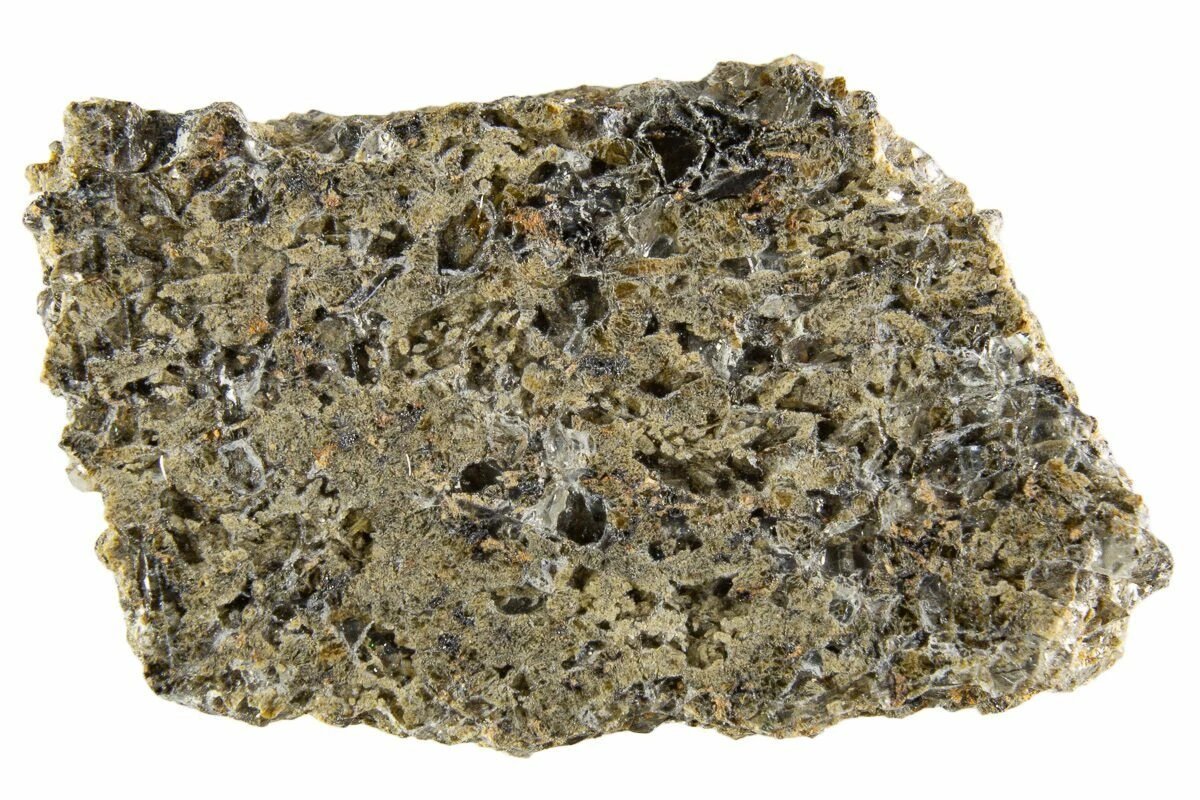
Boston College scientists have determined that Martian meteorite Northwest Africa (NWA) 13441, discovered in Algeria in 2019, is 1.27 billion years old. The sample comes from a previously unsampled pristine volcanic source on Mars, filling a nearly 1.8-billion-year gap in the planet's known geological record. No other shergottite meteorite has been dated to this era, researchers reported.
The 1.8-Billion-Year Gap
Shergottites, the most common igneous Martian meteorites, were previously dated almost entirely to less than 600 million years, with a few older samples from 2.4 billion years ago. That left an approximately 1.8-billion-year gap in the geological record of Mars. Two rare meteorite classes, chassignites and nahklites, have been dated to 1.3–1.4 billion years, but they are chemically distinct from shergottites. NWA 13441, at 1.27 billion years, is the first shergottite to fill this gap.
Neodymium Analysis
The Boston College team, led by professor Ethan Baxter, used high-precision radiogenic isotope techniques to date the meteorite. They analyzed neodymium, a rare element with seven isotopes, and found its isotopic composition matched the initial solar system value, unlike any other shergottite. The crystallization age was determined to be 1.273 billion years. The study, published in Geochimica et Cosmochimica Acta, involved collaborators from the Scripps Institution of Oceanography and the UK's Open University.
1 source
Time · lag behind first