SETI Institute study finds New Jersey meteorite preserved ancient salty chemistry
This digest was compiled by AI from multiple sources — links to the originals are below.
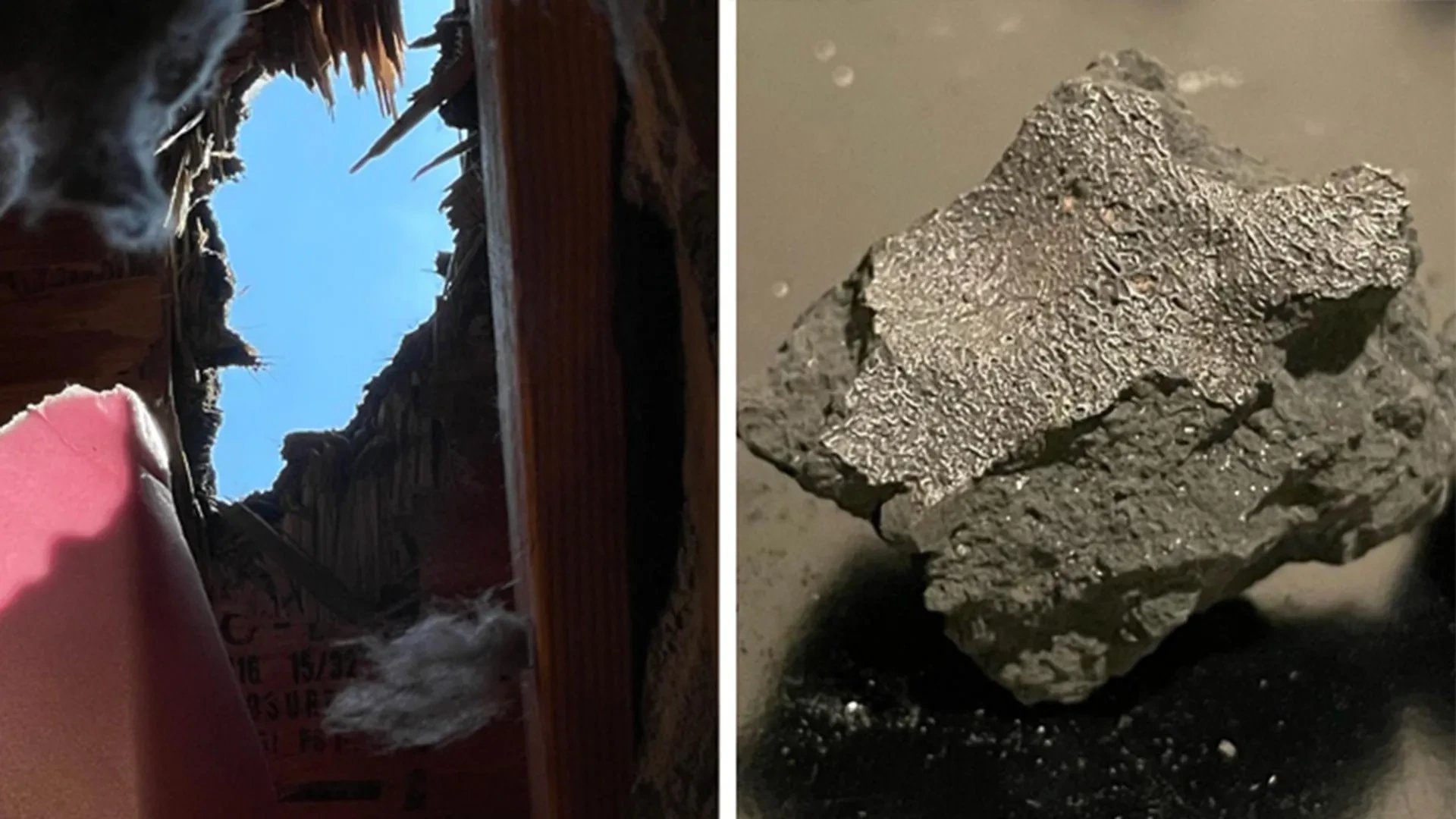
An international team led by the SETI Institute analyzed a meteorite that crashed into a Hillsborough, New Jersey, home in July 2024, uncovering preserved ancient salty fluids, organic compounds, and amino acids. The findings, published August 8, 2026, in Science Advances, suggest primitive asteroids could have delivered life’s key ingredients to early Earth. The space rock, weighing more than two pounds, was recovered after it tore through the roof and shattered in the bedroom.
The Impact and Recovery
The July 16, 2024, fireball entered the atmosphere at 32,000 miles per hour over the New York City area, creating a sonic boom heard across five states. Sixty people reported the meteor to the American Meteor Society, with cameras in Connecticut, Pennsylvania, and a New Jersey doorbell capturing its trajectory back to the asteroid belt. Doppler radar at Newark Airport detected a debris cloud extending from Staten Island to New Jersey, pinpointing Hillsborough as the likely fall zone. The homeowner reported a loud crash, a sulfur-like odor, and black fragments scattered across the bedroom.
Ancient Salty Fluids and Organic Compounds
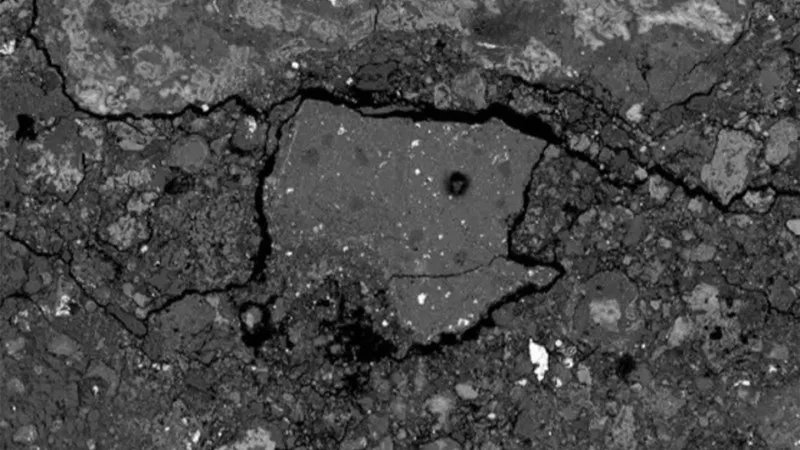
Analysis led by Peter Jenniskens of the SETI Institute and NASA Ames revealed concentrated salty fluids near the surface of the parent asteroid—a process previously unknown for this type of primitive world. The fragments contained preserved organic compounds and amino acids, which form the building blocks of proteins. The study indicates that briny solutions on asteroids could have fostered prebiotic chemistry in the early solar system.
Implications for Early Earth
The pristine state of the meteorite allowed scientists to study chemical reactions that likely occurred on small bodies before they delivered materials to Earth. Such carbon-rich asteroids are thought to have bombarded the young planet, potentially seeding it with water and organic molecules. The findings strengthen the hypothesis that extraterrestrial delivery played a role in the origin of life.
What's Next
The research team plans further isotopic and mineralogical studies to determine the exact temperature and pressure conditions of the ancient fluids. It remains unclear how widespread such brines were among the parent bodies of meteorites and whether they directly contributed to the emergence of terrestrial life.
1 source
SETI Institute study finds New Jersey meteorite preserved ancient salty chemistry