Childhood antibiotic resistance rises globally, study projects steep increases by 2035
This digest was compiled by AI from multiple sources — links to the originals are below.
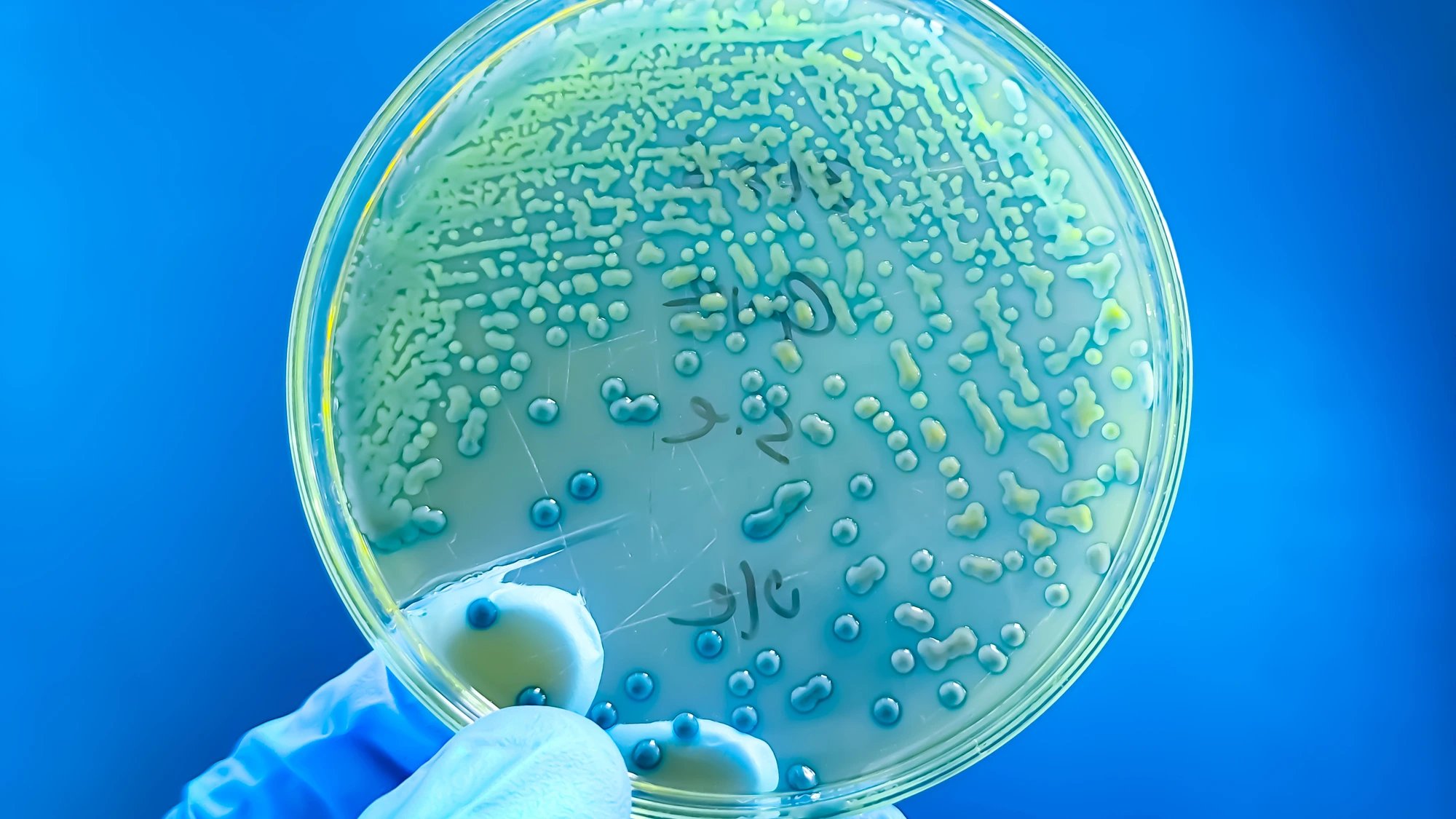
A new study published in July 2026 in JAMA Pediatrics finds that antibiotic resistance in children has risen globally over the past two decades, with projections showing steep increases by 2035 for critical antibiotics against pathogens like Acinetobacter baumannii and Klebsiella. Resistance contributed to an estimated 840,000 deaths among children under 5 in 2021, and the researchers warn that number could grow if trends persist. The analysis addresses a data gap, as children's resistance patterns have been under-studied compared to adults.
Resistance on the Rise
Researchers from the Murdoch Children's Research Institute analyzed clinical samples from 82 countries in the ATLAS database, covering children ages 0 to 18. They found that antibiotic resistance among children increased across all regions over the past two decades. In 2021, resistance contributed to an estimated 840,000 deaths in children under 5 worldwide. The study, published in JAMA Pediatrics in July 2026, projects that by 2035, critical antibiotics will face steep resistance increases for pathogens such as Acinetobacter baumannii and Klebsiella.
The Pediatric Data Gap
Global resistance monitoring often merges adult and pediatric data, masking trends specific to children, according to study co-author Dr. Yanhong Jessika Hu. Children have distinct infection patterns, antibiotic exposures, and fewer approved treatment options. 'It's not a theoretical problem; it's real, and it's happening,' said co-author Dr. Penelope Bryant. Existing pediatric studies vary in age groups and clinical settings, making cross-study comparisons difficult and hindering policy responses.
Warning Scenarios, Not Inevitabilities
Hu cautioned that the projections to 2035 are based on historical trajectories and assume no major intervention. 'These forecasts are warning scenarios, not inevitable outcomes,' she said. Without significant action, the study warns, deaths from resistant infections in children could climb beyond current levels. The findings underscore the urgency of targeted interventions, including new antibiotics and improved stewardship tailored to pediatric populations.
What's Next
The study authors call for improved surveillance systems that separate pediatric data and for accelerated development of child-appropriate antibiotics. Whether global health agencies will act on these warnings before 2035 remains uncertain.
1 source
Childhood antibiotic resistance rises globally, study projects steep increases by 2035