
Strait of Hormuz disruption lifts LNG tanker charter rates 243% in June year-on-year
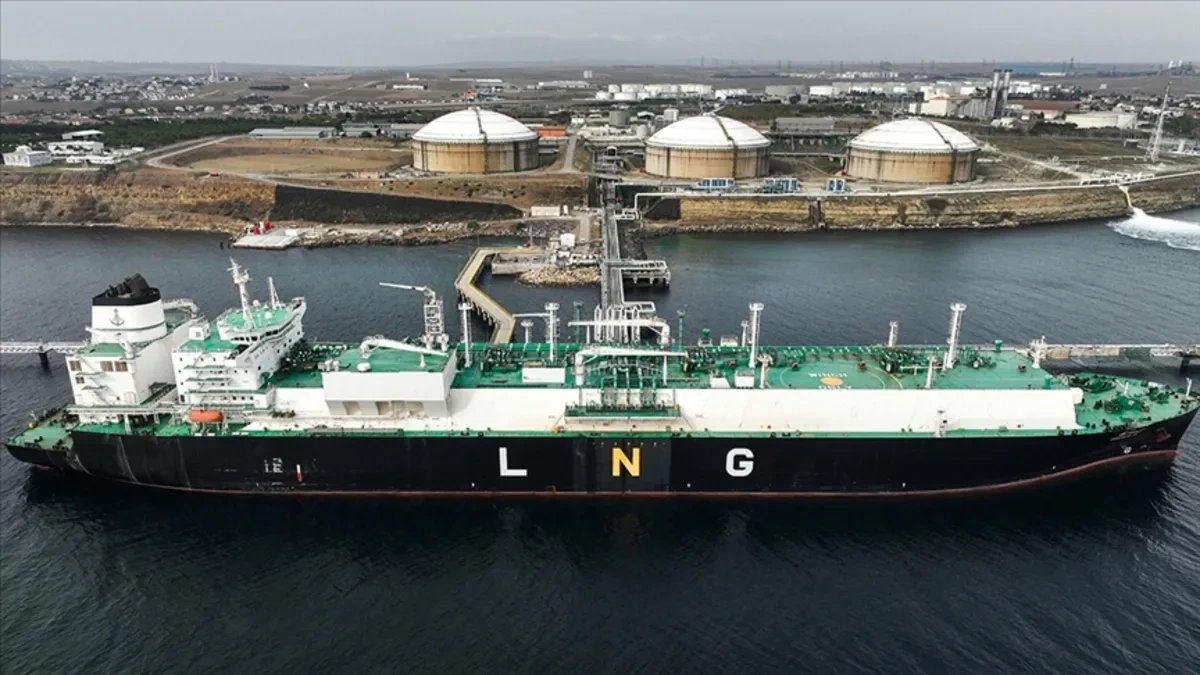
This digest was compiled by AI from multiple sources — links to the originals are below.
Disruption in the Strait of Hormuz has driven liquefied natural gas tanker charter rates to their highest since 2022, with average daily spot rates for TFDE vessels reaching $60,700 in June, up 243% from a year earlier, according to the Gas Exporting Countries Forum July 2026 report. More than 300 Qatari and 20 UAE LNG cargoes went undelivered between March and June as around 160 tankers were stranded in the Gulf, while fuel and war-risk insurance costs also surged. Although some costs retreated from March peaks, premiums for Hormuz transit insurance remain 5–10% of hull value, up from 0.25% before the conflict.
Undelivered Cargoes
Following the escalation of Middle Eastern hostilities on 28 February, LNG shipments from Qatar and the United Arab Emirates largely halted. More than 300 Qatari cargoes and approximately 20 UAE cargoes scheduled for March–June failed to reach buyers, GECF data showed. Around 160 LNG tankers were stranded in the Gulf or forced to wait in the Gulf of Oman, significantly squeezing the available vessel supply on the spot market. The disruption marks the most severe logistical crisis in global LNG trade since the 2022 energy shock.
Charter Rate Surge
Tanker charter costs reached historic levels as capacity tightened. The spot daily rate for tri-fuel diesel-electric LNG carriers jumped from $5,000 in early February to $235,000 in early March, the GECF report noted – the highest since 2022. By June, the average rate for these vessels had eased to $60,700 but remained 243% above the prior-year period. The extended voyages forced carriers to tie up tonnage for longer, with detours around the Cape of Good Hope adding 15–20 days per Atlantic-Asia round trip.
Fuel and Insurance Costs
Longer routes drove up bunker fuel consumption, while higher oil prices added further pressure. Marine fuel for LNG carriers rose above $800 per ton in March, the highest since 2022, and though it fell to $680 by June it was still 33% higher than a year earlier. War-risk insurance premiums for Hormuz transits climbed from about 0.25% of hull value before the conflict to between 5% and 10%, meaning a single voyage premium for a $250 million vessel could reach $25 million.
1 source
Time · lag behind first