
Hormuz war-risk premiums reshape global energy shipping costs
This digest was compiled by AI from multiple sources — links to the originals are below.
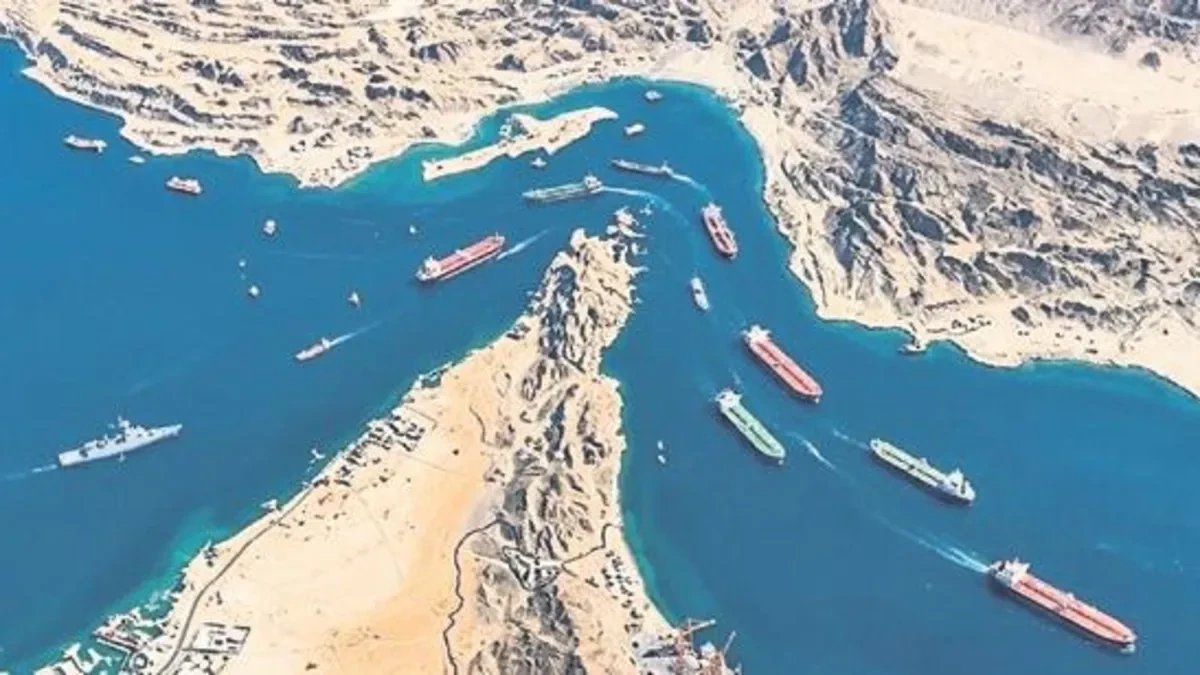
Rising geopolitical risk in the Strait of Hormuz has pushed war-risk insurance premiums for tankers to extraordinary levels, directly affecting global energy trade. The surge in premiums raises the cost of transporting oil, making insurance risk pricing a key component of energy prices.
Key Facts
- War-risk insurance premiums for tankers transiting the Strait of Hormuz have risen sharply due to increased geopolitical tensions.
- The rise in premiums is driven by tensions between Iran and the United States, along with attacks on vessels in the region.
- Higher insurance costs are increasing the overall cost of transporting oil, affecting global energy trade.
Insurance Cost Surge
War-risk premiums for tankers passing through the Strait of Hormuz have climbed to extraordinary levels. The increase is attributed to heightened geopolitical risk and recent attacks on ships in the area. These premiums are additional to standard hull and machinery insurance and have become a major cost factor for shipping companies.
Energy Market Impact
The surge in insurance costs is raising the expense of transporting oil through one of the world's most critical chokepoints. Insurance risk pricing has become a significant component of overall energy prices, affecting global trade flows. The Strait of Hormuz remains central to tensions between Iran and the United States, keeping marine insurance a key agenda item for energy markets.
1 source
Time · lag behind first