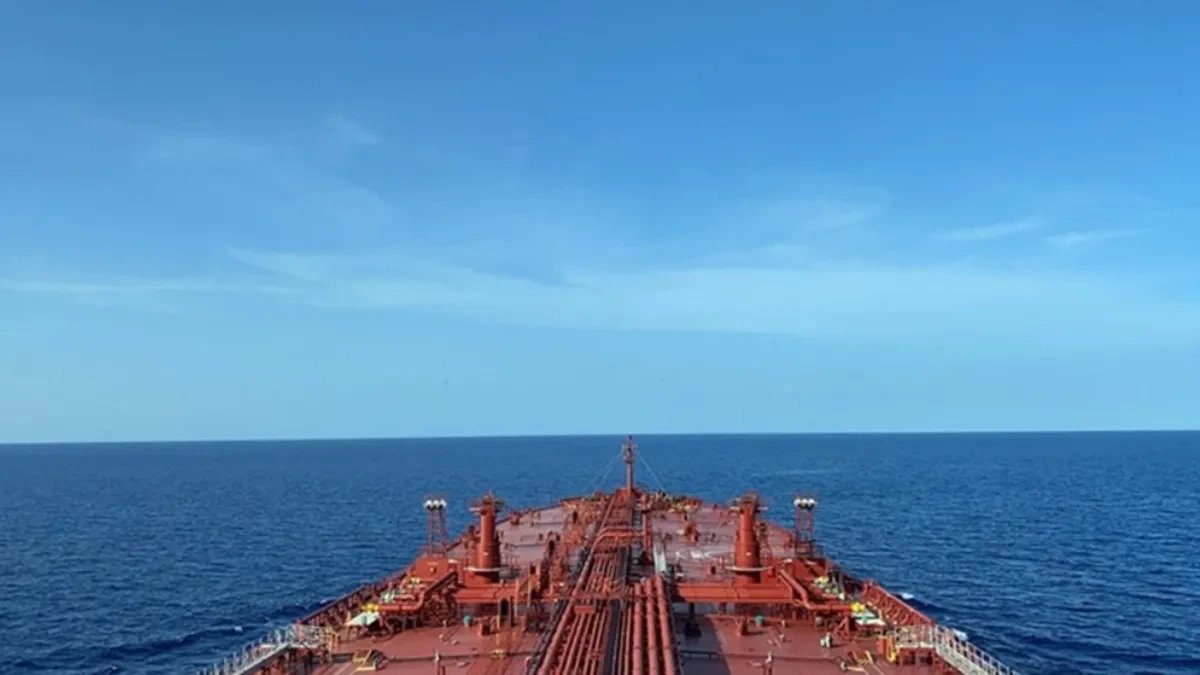
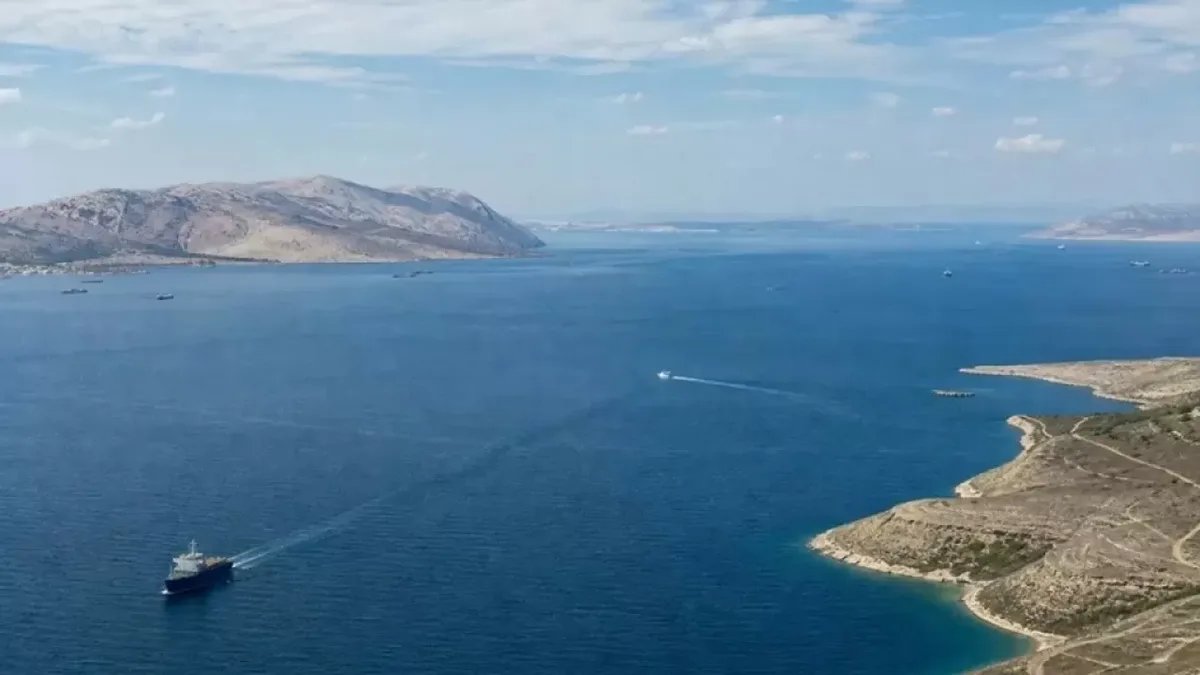
Hormuz Strait tanker traffic falls to two ballast vessels Thursday
This digest was compiled by AI from multiple sources — links to the originals are below.
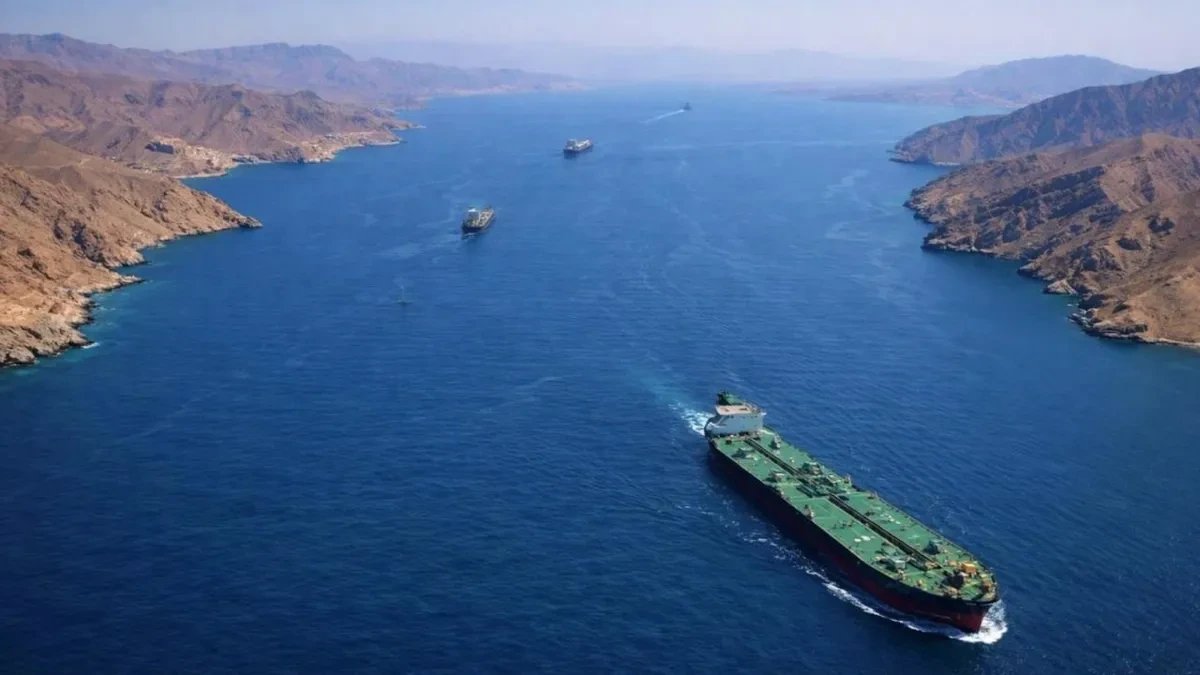
Tanker transits through the Strait of Hormuz dropped sharply on Thursday, with only two ballast vessels entering the chokepoint, tracking data show. The bottleneck threatens the daily flow of 20.9 million barrels of oil and products, roughly one-fifth of global consumption. Even as Hormuz traffic slumped, the Bab el-Mandeb strait saw 25 commodity vessels pass, including two VLCCs.
Hormuz Transit Slump
Only two ballast tankers entered the Strait of Hormuz on Thursday, according to AIS vessel tracking data. The strait, a vital conduit for Persian Gulf oil and LNG, normally handles about 20.9 million barrels per day, the U.S. Energy Information Administration reported for the first half of 2025. Actual traffic may be higher, as some vessels disable AIS signals amid security concerns. The decline reflects growing risks from Middle East conflicts that have disrupted traditional energy routes, driving up insurance and shipping costs.
Bab el-Mandeb Traffic Contrast
While Hormuz traffic stalled, the Bab el-Mandeb strait between the Red Sea and Gulf of Aden saw 25 commodity vessels pass on the same day, including two VLCCs, one Suezmax, and five Aframax tankers. The movement signals that energy shipping continues through alternative routes despite Houthi threats targeting Saudi-linked vessels. Nevertheless, war risk insurance premiums remain elevated, keeping transport costs high for Red Sea transits.
Oil Price Surge
Brent crude fell to around $88 a barrel on Friday, while U.S. crude approached $82, yet both benchmarks were set for a roughly 20% monthly gain in July. The rally was driven by limited Hormuz transits, regional attacks, rising tanker insurance costs, and risks to energy infrastructure. Prolonged restrictions at the strait could tighten tanker supply and lift freight rates further, particularly for Asian markets.
What's Next
If Hormuz transits remain limited beyond August, tanker rates and energy supply disruptions could intensify, especially for Asian buyers. It remains unclear whether shipping companies will permanently reroute cargoes or return once security conditions improve.
1 source
Hormuz Strait tanker traffic falls to two ballast vessels Thursday