
NASA analysis finds dust opacity, not wind, doomed Opportunity rover in 2018
This digest was compiled by AI from multiple sources — links to the originals are below.
A NASA analysis finds that the 2018 global dust storm on Mars disabled the Opportunity rover not by wind force but by cutting sunlight so severely that the battery voltage fell below 24 volts, triggering an irreversible low-power fault. The rover’s last signal was sent on June 10, 2018, after which its mission clock alone continued checking for charge. The nuclear-powered Curiosity rover, located on the opposite side of Mars, weathered the storm with a record opacity reading above 8.0.
Storm’s Rapid Expansion to Planet Scale
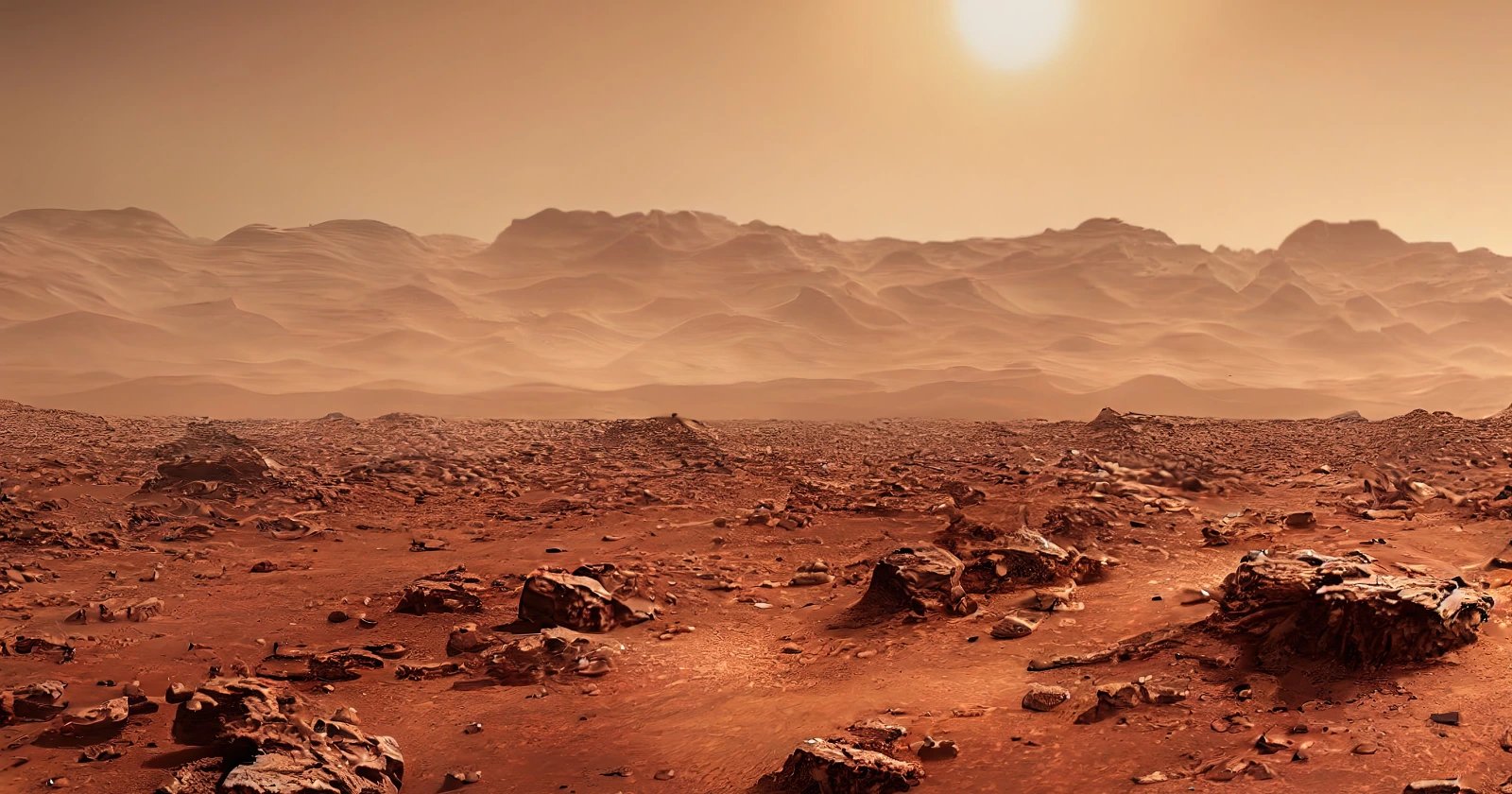
The Mars Reconnaissance Orbiter first detected the disturbance on May 30, 2018; within a week it covered more than 18 million square kilometers, exceeding North America’s area. By June 12 it had spread across 35 million square kilometers, a quarter of the planet, and on June 19, Bruce Cantor of Malin Space Science Systems declared it a planet-encircling event, per JPL status reports. Opportunity sat underneath it in Perseverance Valley, directly in the path of the thickening dust.
Opacity Spike and Battery Failure
Atmospheric opacity, measured as tau, climbed from a typical 0.5 over Opportunity’s location to an estimated 10.8 at the storm’s peak, past the point of accurate instrument readings. This plunged the rover’s battery voltage below the 24-volt threshold, tripping a low-power fault that turned off all systems except the mission clock. The last transmission came on June 10, 2018; thereafter, the clock woke the computer periodically, but the charge never reached a level enabling operations. Skies took roughly four months to clear, by which time the rover had permanently failed.
Curiosity’s Nuclear Advantage
While Opportunity succumbed, the Curiosity rover on the far side of Mars continued operating normally, powered by a radioisotope thermoelectric generator that needs no sunlight. Its instruments recorded a peak tau above 8.0, the highest ever measured by its sensors, while over Opportunity the dust was so thick that only the caldera of Olympus Mons remained visible. The contrast underscores the vulnerability of solar-powered spacecraft to global dust storms, which occur at unpredictable intervals of roughly three Mars years.
1 source
Time · lag behind first