
Oil Tanker Threat in Middle East at Worst Since Iran War Began, Analysts Warn
This digest was compiled by AI from multiple sources — links to the originals are below.
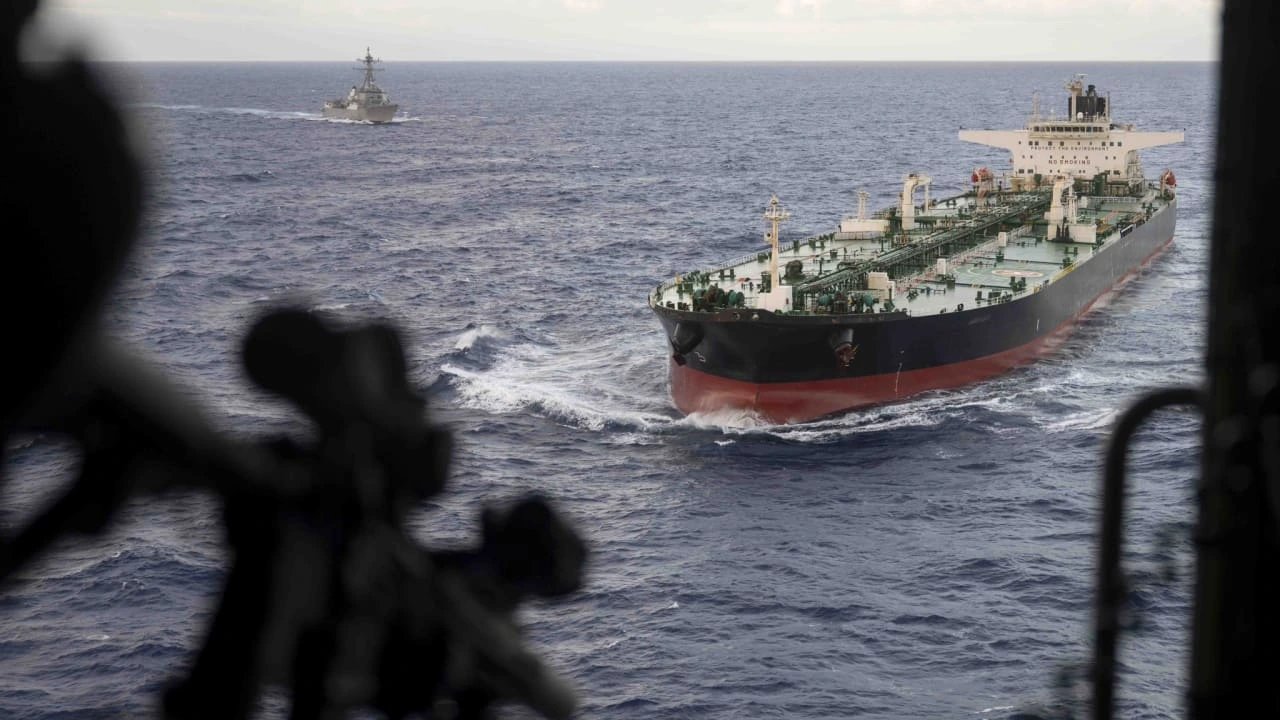
The threat to oil tankers in the Middle East has escalated to its highest level since the Iran war began, analysts say, as attacks in the Red Sea compound disruptions in the Strait of Hormuz. Ship traffic through the Strait of Hormuz has collapsed to single-digit daily crossings, while Houthi attacks on Saudi tankers using the alternative Red Sea route have further choked global crude flows. Iran has denied negotiations with the U.S. over reopening the strait, even as it discusses securing the lane with Oman.
Strait of Hormuz Snarled
Only eight ships passed through the Strait of Hormuz on Sunday and 11 on Saturday, compared with more than 100 per day before the war, according to Kpler. The temporary peace deal in early June briefly lifted traffic, but renewed strikes between the U.S. and Iran roughly a month later again depressed transit. Many vessels have been turning off transponders to avoid detection while crossing, Kpler data shows. Before the conflict, about 20% of the world's oil and gas passed through the strait.
Red Sea Shipping Targeted
Yemen's Houthi fighters, backed by Iran, announced a blockade on Saudi Arabia's Red Sea ports on July 20, and the UK Maritime Trade Operations agency has reported several attacks on ships in the past week. The alternative route through the Red Sea, used by Saudi tankers to bypass the Strait of Hormuz, is now also under threat. Kpler data shows 28 commodity vessels passed through the Bab el-Mandeb strait on Saturday, with six turning off transponders, and total traffic at about 50% of pre-attack levels. The Houthi threat is mostly limited to Saudi shipping, so not all vessels are deterred.
Analysts Sound Alarm
Matthew Wright of Kpler said the threat to crude trade is 'the worst period that we've been in since this crisis began,' with the Red Sea turmoil 'a problem stacked on top of a problem.' Tim Wilkins of Intertanko warned of a 'broadening, deteriorating, and increasingly complex security situation' now extending into Saudi waters and the Red Sea. The number of ships loading crude for export to Asia passing through has fallen to about four per day, the lowest since the war started, Kpler added.
Houthi Video of Tanker Bombing
Yemen's Iran-backed Houthi militants released footage showing them boarding a Greek-flagged oil tanker and detonating charges. The vessel, attacked in the Red Sea on 21 August, was abandoned following the strike. The Houthis allowed the tanker to be towed to safety, citing fears of an environmental disaster.
2 sources
Time · lag behind first