
Yemen Escalation Raises New Risks for Global Oil Markets
This digest was compiled by AI from multiple sources — links to the originals are below.
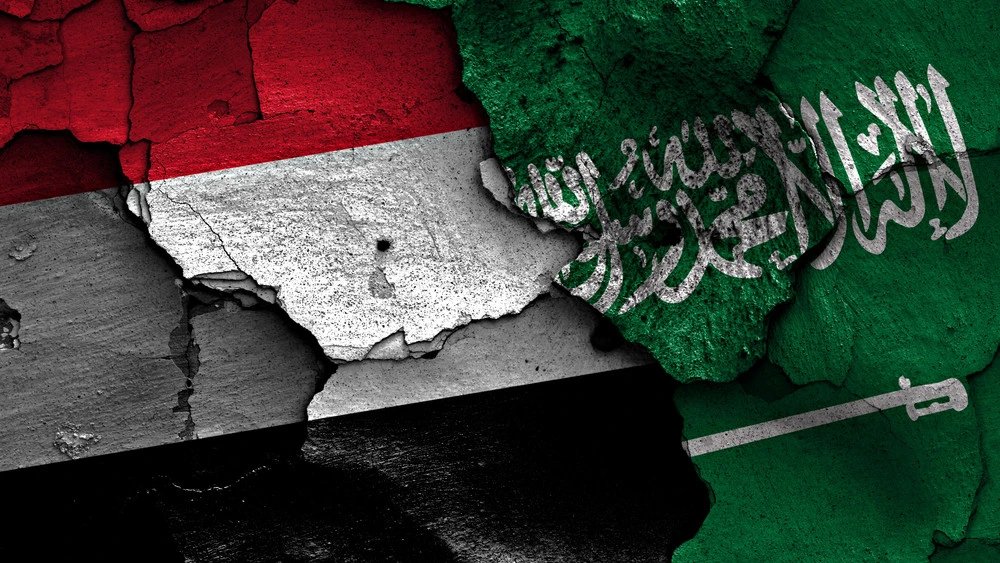
Houthi rebels have seized nearly all of Yemen's Red Sea coastline, giving the Iran-aligned group control of the Bab al-Mandab Strait, a key chokepoint for global trade. The escalation has contributed to a surge in oil prices, which rose to $110 on September 15, the highest in months. Riyadh has been forced to temporarily shut down a crucial oil pipeline after a drone attack blamed on a pro-Iranian militia in Iraq.
Key Facts
- Houthi rebels have seized nearly all of Yemen's Red Sea coastline, giving them control of the Bab al-Mandab Strait, which accounts for around 6 percent of the world's seaborne-traded oil.
- Oil prices rose to $110 on September 15, the highest in months, before falling slightly.
- Saudi Arabia temporarily shut down its East-West oil pipeline after a drone attack blamed on a pro-Iranian militia in Iraq.
- Goldman Sachs warned that global oil prices could reach $120 a barrel if the Iran and Yemen conflicts continue.
- US officials met Houthi leaders in Oman on September 15, and the Houthis have assured Washington they will not block the Bab al-Mandab Strait or attack international shipping except Saudi vessels.
Houthi Offensive and Saudi Response
The Houthis launched a lightning offensive against Yemen's internationally recognized government last week, capturing the key port city of Mokha and islands in the Red Sea. Saudi Arabia, which backs Yemen's government, has carried out air strikes against Houthi targets while the rebels have launched drones and missiles at the kingdom. Riyadh has pleaded for military support from the United States, but President Donald Trump appears to have rebuffed those calls. The Houthis agreed to a cease-fire with Washington last year after a months-long US bombing campaign.
Oil Market Impact and Expert Warnings
The escalation in the Houthi-Saudi conflict has contributed to a recent surge in oil prices, which rose to $110 on September 15, the highest in months, before falling slightly. Experts warn that a prolonged shutdown of Saudi Arabia's critical East-West pipeline or a Houthi attempt to block the Bab al-Mandab Strait could send shockwaves around the world. Even before the recent escalation in hostilities in Yemen, energy markets were rattled, and the global economy was upended by the Iran war, which has effectively closed the Strait of Hormuz, the world's most important oil and gas artery. Gregory Brew, an oil expert and senior analyst at the New York-based Eurasia Group, said it continues to be a dynamic of two conflicts: the Saudi-Houthi conflict and the US-Iran conflict, both of which are putting pressure on international oil markets and the international oil supply. American investment bank Goldman Sachs has warned that global oil prices could reach $120 a barrel if the Iran and Yemen conflicts continue.
1 source
Time · lag behind first