Hiroshima University-led team confirms LHAASO J1912+1014u as proton PeVatron exceeding 1 PeV
This digest was compiled by AI from multiple sources — links to the originals are below.
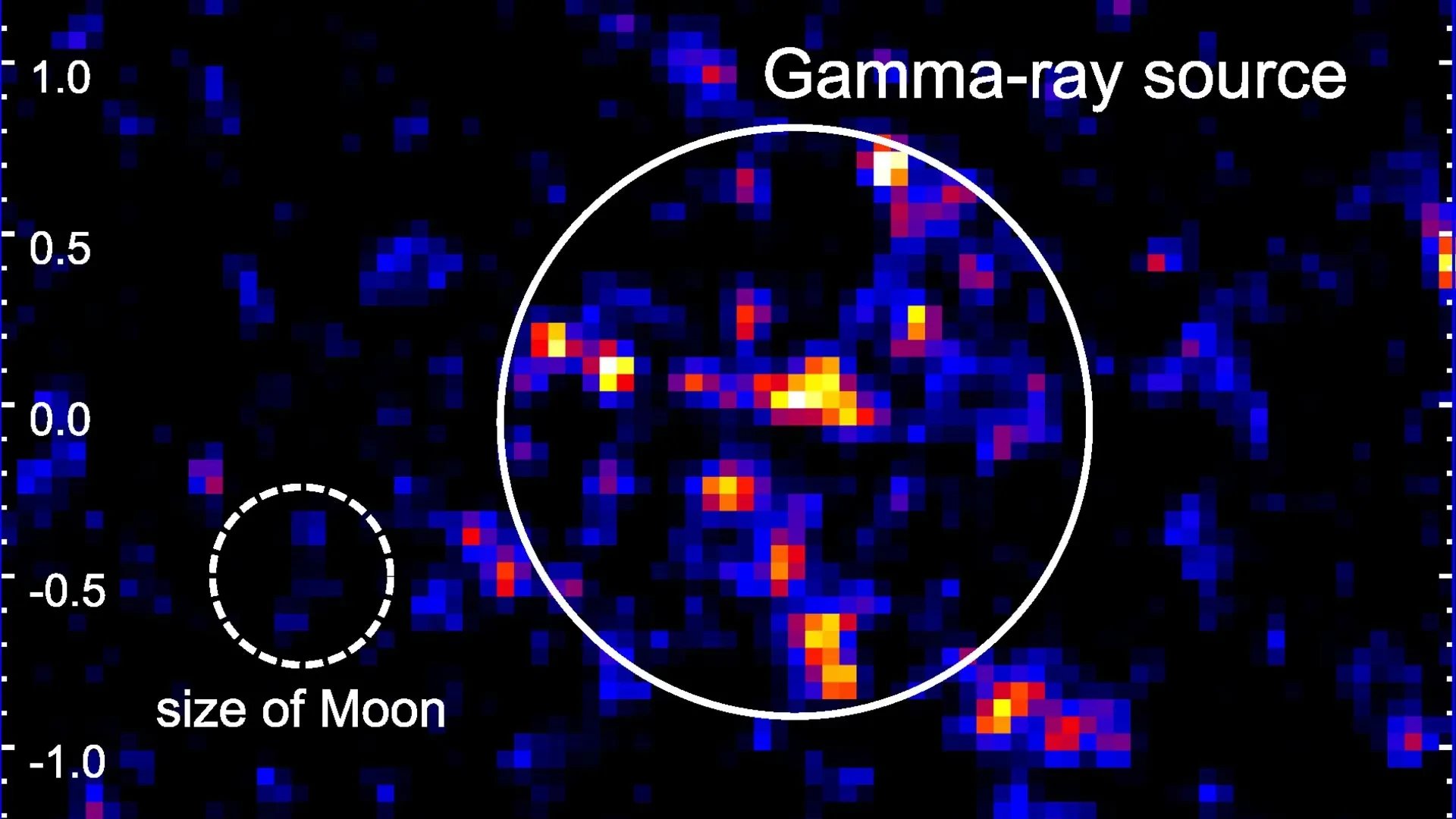
An international team led by Hiroshima University has confirmed that the Milky Way object LHAASO J1912+1014u is a proton PeVatron, accelerating protons to energies above one quadrillion electron volts. The finding, published July 16 in The Astrophysical Journal, marks a breakthrough in the hunt for the galaxy’s most energetic cosmic rays. The confirmation crowns years of observations by three major telescopes, even as its exact nature remains unknown.
The Proton PeVatron Identification
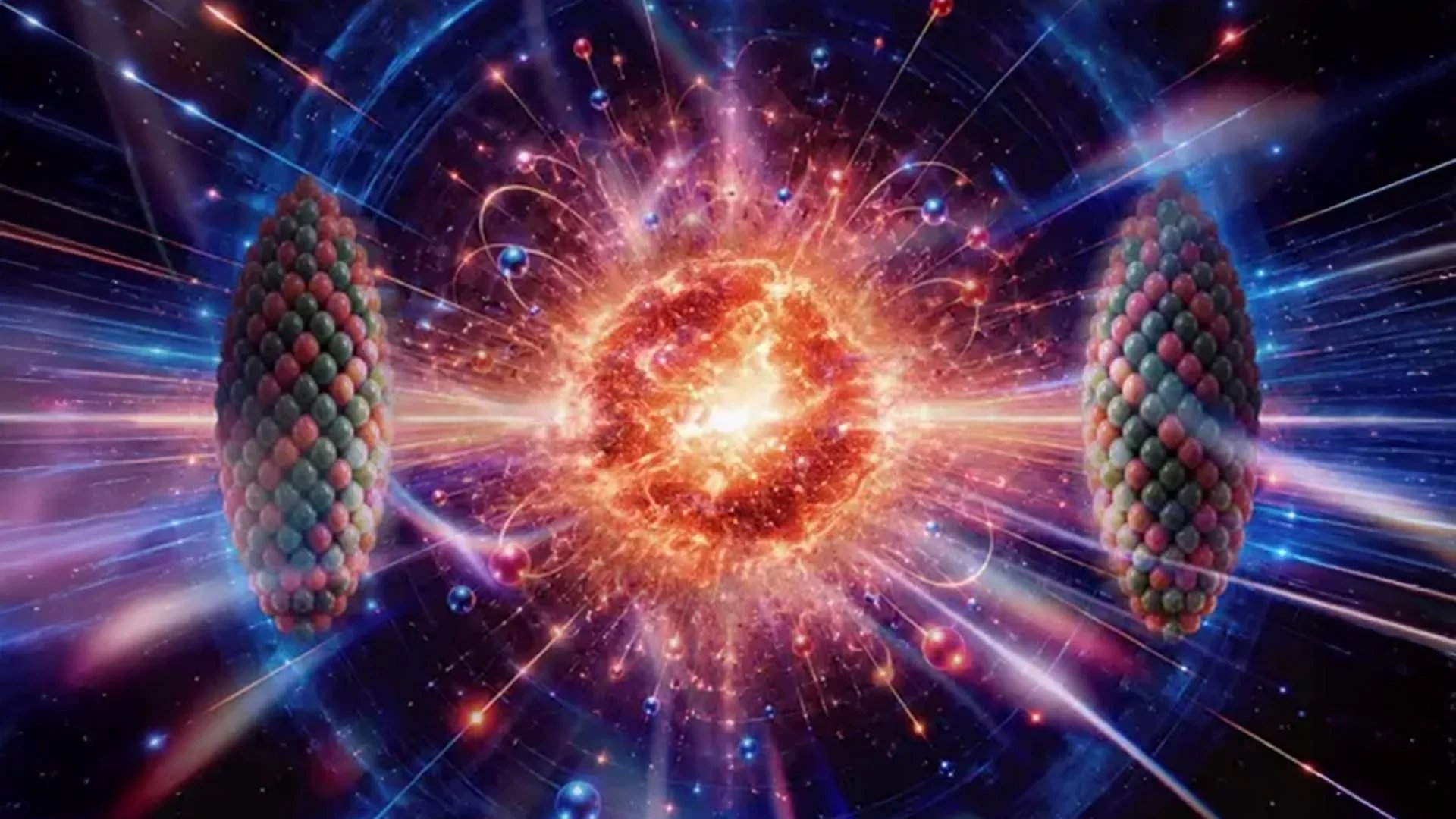
An international team led by Hiroshima University has confirmed that LHAASO J1912+1014u is a natural particle accelerator capable of propelling protons beyond the peta-electronvolt (PeV) threshold. This energy exceeds the capabilities of human-built colliders like CERN’s Large Hadron Collider, making such cosmic accelerators key to understanding extreme astrophysical processes. The object, located in the Milky Way, is one of the few confirmed proton PeVatrons, objects that have eluded unambiguous detection for decades. The findings were published in The Astrophysical Journal on July 16, 2026.
Gamma-Ray Signatures and Observatories
The identification relied on gamma-ray observations from the Tibet Air Shower (ASγ) experiment, a Japan-China collaboration running since 1990, and China’s Large High Altitude Air Shower Observatory (LHAASO). Both facilities detected gamma-ray photons with energies above 0.1 PeV emanating from LHAASO J1912+1014u. By combining these ground-based data with space-based telescope measurements, the team was able to differentiate the gamma-ray emission produced by proton interactions from that generated by high-energy electrons, a critical step in confirming a proton PeVatron.
Impact on Cosmic Ray Paradigms
Cosmic rays, mostly protons, permeate the galaxy and influence star formation, interstellar chemistry, and even Earth’s atmosphere. The highest-energy galactic cosmic rays are thought to originate in PeVatrons, but their sources have been elusive. LHAASO J1912+1014u’s confirmation provides a concrete laboratory for studying how these particles attain their extreme energies. The discovery may also refine models of how cosmic rays propagate and interact with magnetic fields in the Milky Way.
What's Next
The team plans to conduct deeper multi-wavelength observations to characterize the object’s physical nature, which could be a supernova remnant or pulsar wind nebula. However, the exact mechanism that accelerates protons to PeV energies remains unknown, and further discoveries will be needed to determine whether such PeVatrons are common or exceptionally rare.
1 source
Hiroshima University-led team confirms LHAASO J1912+1014u as proton PeVatron exceeding 1 PeV