
Century-old tree rings capture ancient earthquake signatures
This digest was compiled by AI from multiple sources — links to the originals are below.
Scientists have determined that the growth rings of century-old trees can serve as a natural record of large earthquakes that struck before the era of modern seismographs. The discovery hinges on abrupt growth spurts that trees undergo in response to seismic shaking, leaving distinctive marks in their annual rings. The findings open a new avenue for reconstructing earthquake histories in regions where written records are sparse.
Tree Rings as Seismic Archives
Dendrochronologists have long used tree rings to reconstruct climate variations, but recent research shows they also capture the signature of ancient quakes. When a powerful earthquake shakes the ground, surviving trees may experience root damage, soil liquefaction, or shifts in groundwater availability. These stresses can trigger a sudden change in growth rate, reflected in the width and density of the next ring. By comparing ring patterns across multiple old trees in a region, scientists can identify anomalous years that correspond to seismic events. The technique has been validated against known historical earthquakes, matching tree-ring anomalies with documentary records from the past few centuries.
Extending the Earthquake Record
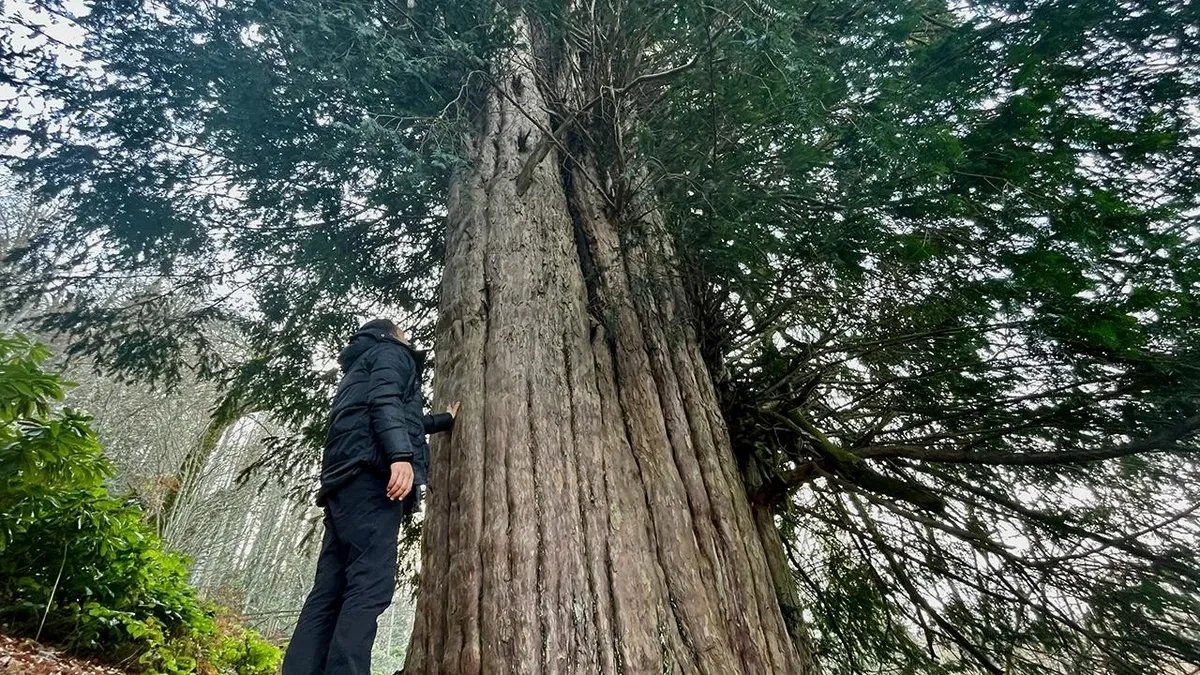
Prior to the advent of seismometers in the late 19th century, earthquake catalogs relied on sparse historical accounts, leaving many ancient events undocumented. Tree-ring records now promise to fill that gap, potentially pushing the seismic history back by a millennium or more. In tectonically active regions such as the Anatolian Peninsula, researchers have begun sampling the oldest living trees to search for growth anomalies linked to major fault ruptures. Preliminary studies have revealed growth disturbances that correspond to both known historic earthquakes and possible unrecognized events. Such findings could help refine recurrence intervals of devastating quakes and improve hazard assessments.
1 source
Time · lag behind first