NTNU-led team finds evolution repeating itself in Galápagos daisies using different genes
This digest was compiled by AI from multiple sources — links to the originals are below.
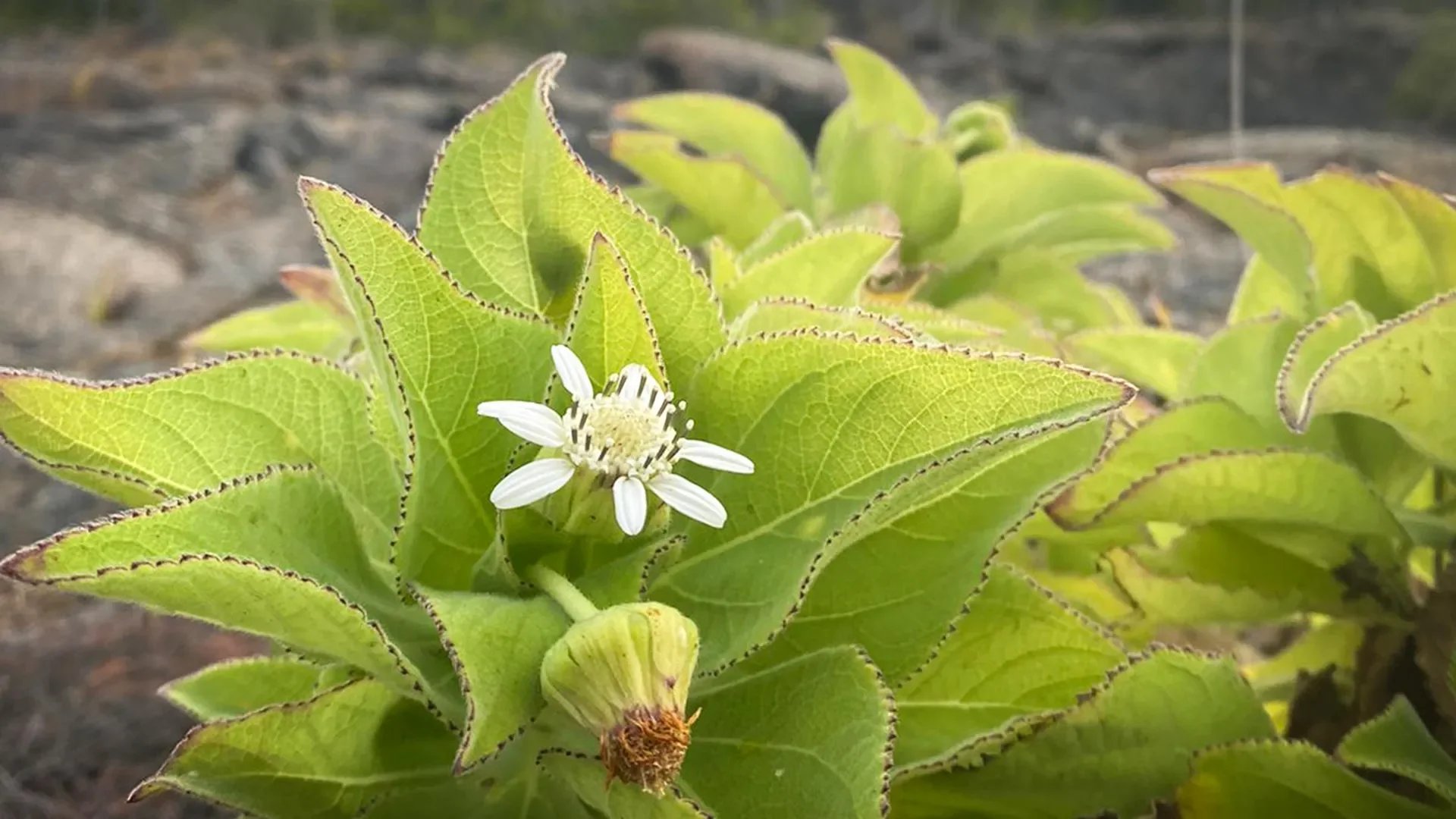
An international team led by the Norwegian University of Science and Technology discovers that Galápagos giant daisies repeatedly evolved similar leaf shapes using different sets of genes, revealing parallel evolution in plants. The study, published in Nature Communications, found major genetic differences among isolated populations, suggesting new species may be forming.
Parallel Evolution in Scalesia
The international team studied Scalesia, a genus of plants commonly called Galápagos giant daisies, which evolved rapidly after arriving from South America. Species on different islands independently developed similar heat-tolerant leaf shapes, a clear case of parallel evolution. However, genetic analysis revealed that each lineage used distinct sets of genes to achieve these adaptations. The findings show that while natural selection favors optimal solutions, the genetic routes can vary considerably.
Genetic Divergence and Speciation
The study also uncovered significant genetic differences among Scalesia populations isolated on different islands. These genetic gaps suggest that the populations may be in the early stages of speciation, as geographic separation prevents gene flow. Researchers from institutions including the Royal Botanic Gardens, Kew; the University of California, Davis; and the Charles Darwin Foundation contributed to the work. The research highlights how the Galápagos Islands continue to serve as a living laboratory for evolutionary biology more than 150 years after Darwin's visit.
What's Next
The research team intends to monitor Scalesia populations over time to observe genetic changes and adaptation. It remains uncertain how rapidly these plants might evolve into distinct species amid challenges like climate change and invasive species on the Galápagos.
1 source
NTNU-led team finds evolution repeating itself in Galápagos daisies using different genes