
Human impacts reshape island biodiversity patterns globally
This digest was compiled by AI from multiple sources — links to the originals are below.
A new study led by the University of Birmingham reveals that human activities have fundamentally altered biodiversity patterns on islands worldwide. Island endemic species account for about 75% of recorded anthropogenic extinctions, while introduced species often numerically offset losses but not ecologically.
The Study's Scope
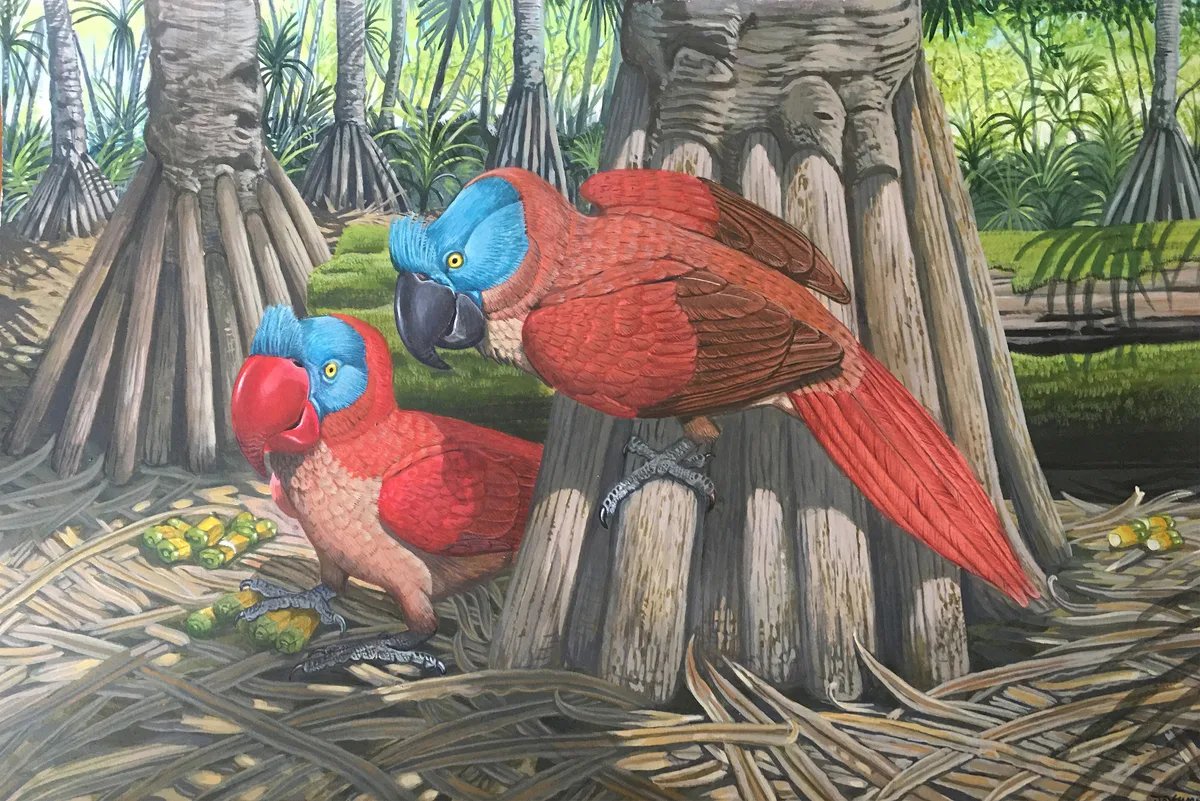
The international team examined how species extinctions and introductions transformed island ecosystems over millennia. Published in Science Advances, the study shows that islands have experienced a disproportionate share of global biodiversity loss. In the Hawaiian Islands, almost all endemic bird species have been driven extinct, with roughly the same number introduced from elsewhere.
Altered Ecological Patterns
Key biodiversity patterns such as species richness, endemism, and ecological interactions now reflect a long legacy of human influence, not just natural processes. Human-driven changes have affected fundamental relationships between biodiversity and abiotic factors like island size and isolation. In several cases, human impacts commenced thousands of years ago, making it difficult to separate natural patterns from human influences.
Knowledge Gaps
For birds and mammals, researchers have a reasonable idea of lost biodiversity, but for many other groups, prehuman baselines remain unknown. This lack of knowledge hinders understanding of the full extent of alteration to island ecosystems. The study underscores that introduced species often offset losses numerically but not ecologically, leading to substantial losses of native biodiversity and ecological function.
1 source
Time · lag behind first