
Radio telescopes boost space debris detection tenfold
This digest was compiled by AI from multiple sources — links to the originals are below.
An international team led by the University of Birmingham demonstrated a technique repurposing radio telescopes as radar receivers, increasing sensitivity more than tenfold for detecting satellites and debris in geostationary orbit. The live demonstration took place at the European Space Agency's ECSAT facility in Harwell, Oxfordshire, with government and industry observers. The breakthrough addresses a critical gap in tracking objects 37,000 km from Earth, where most high-value military and communications satellites reside.
The LBMR Technique
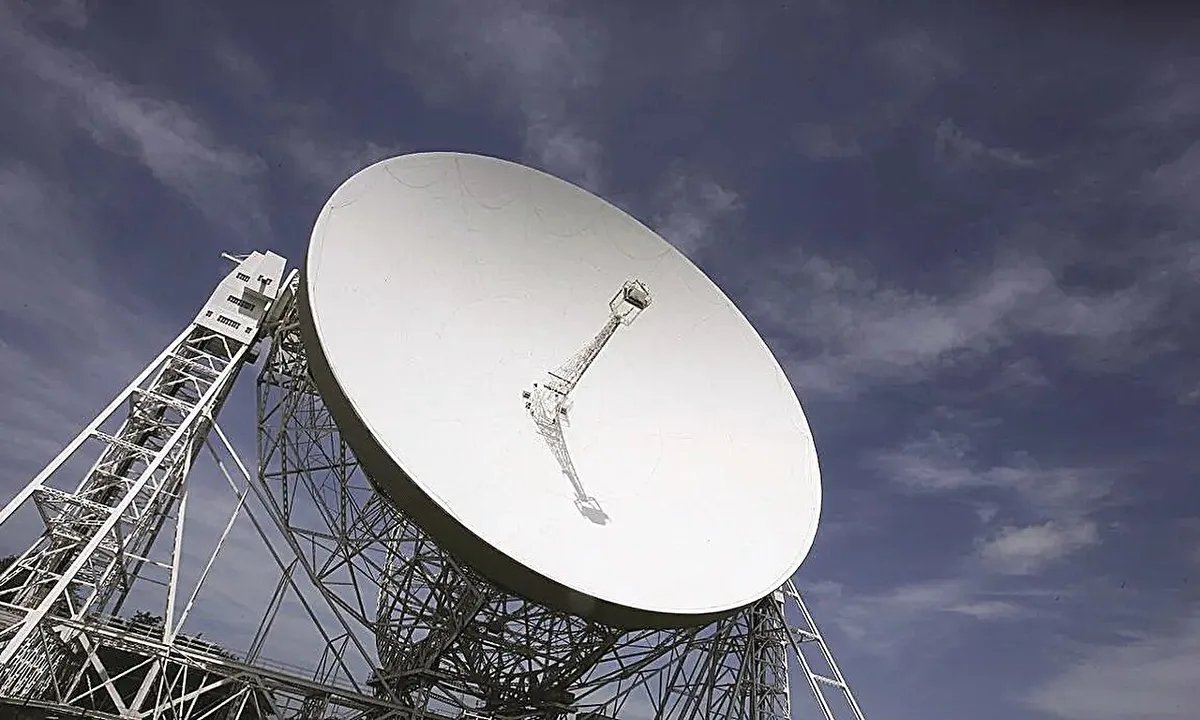
The Long Baseline Multistatic Radar (LBMR) project, funded by the UK Space Agency, integrates radio telescopes into existing radar systems. This configuration boosts sensitivity more than tenfold, enabling detection of smaller objects at greater distances. Traditional radar can track objects in low Earth orbit but struggles with geostationary orbit, some 37,000 km away. The LBMR approach repurposes scientific and commercial infrastructure as independent radar receivers, dramatically enhancing space surveillance performance.
Demonstration and Partners
The live demonstration at ESA's ECSAT facility in Harwell, Oxfordshire, showed real-time radar detections and measurements to representatives from government, defense, and industry. The research partnership includes the Universities of Birmingham and Manchester, Goonhilly Earth Station, MIT Lincoln Laboratory, and Australia's CSIRO. Professor Marco Martorella of the University of Birmingham called the demonstration an important step toward operational use for monitoring satellites and debris.
Strategic Importance
Geostationary orbit hosts critical military, government, and commercial communications, navigation, and weather satellites. Protecting these assets requires continuous tracking of all nearby objects—active satellites, inactive spacecraft, and debris. The LBMR technology provides a platform to advance radar technologies, validate new sensing concepts, and train engineers. This capability is key to ensuring safe and sustainable use of space for the future.
1 source
Time · lag behind first