
Flu virus rewires human cells in unprecedented detail, study finds
This digest was compiled by AI from multiple sources — links to the originals are below.
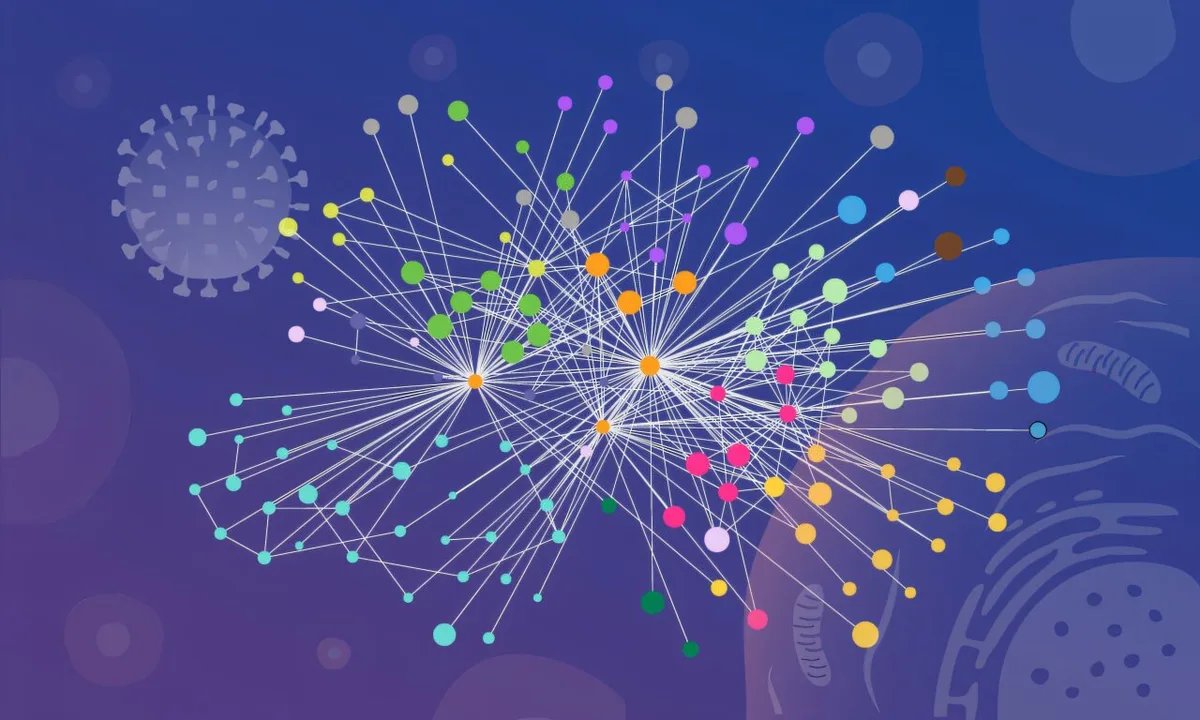
Researchers at EMBL Hamburg and FMP Berlin have mapped how influenza A virus proteins interact with human host proteins inside intact infected cells. The study, published in Nature, used cross-linking mass spectrometry to capture 1,200 virus-host protein contacts. The findings reveal how the virus hijacks cellular machinery to replicate.
The Mapping Method
The team used a customized cross-linking mass spectrometry (XL-MS) technique developed at FMP Berlin. Unlike traditional methods that require breaking cells open, XL-MS captures protein interactions in their native environment. This allowed researchers to identify short-lived and location-specific contacts that were previously invisible. The study mapped 1,200 direct virus-host protein contacts, providing structural models of how the proteins fit together.
Implications for Drug Design
Understanding these interactions could aid in developing better flu therapies and vaccines. Seasonal influenza kills up to 650,000 people annually and causes severe illness in 3–5 million. The influenza A virus has caused pandemics, including the 1918 Spanish flu. Targeting the specific protein contacts identified may lead to drugs that block viral replication.
2 sources
Time · lag behind first