
Stanford Scientists Find Blood Immune Cells Enter Brain in Middle Age
This digest was compiled by AI from multiple sources — links to the originals are below.
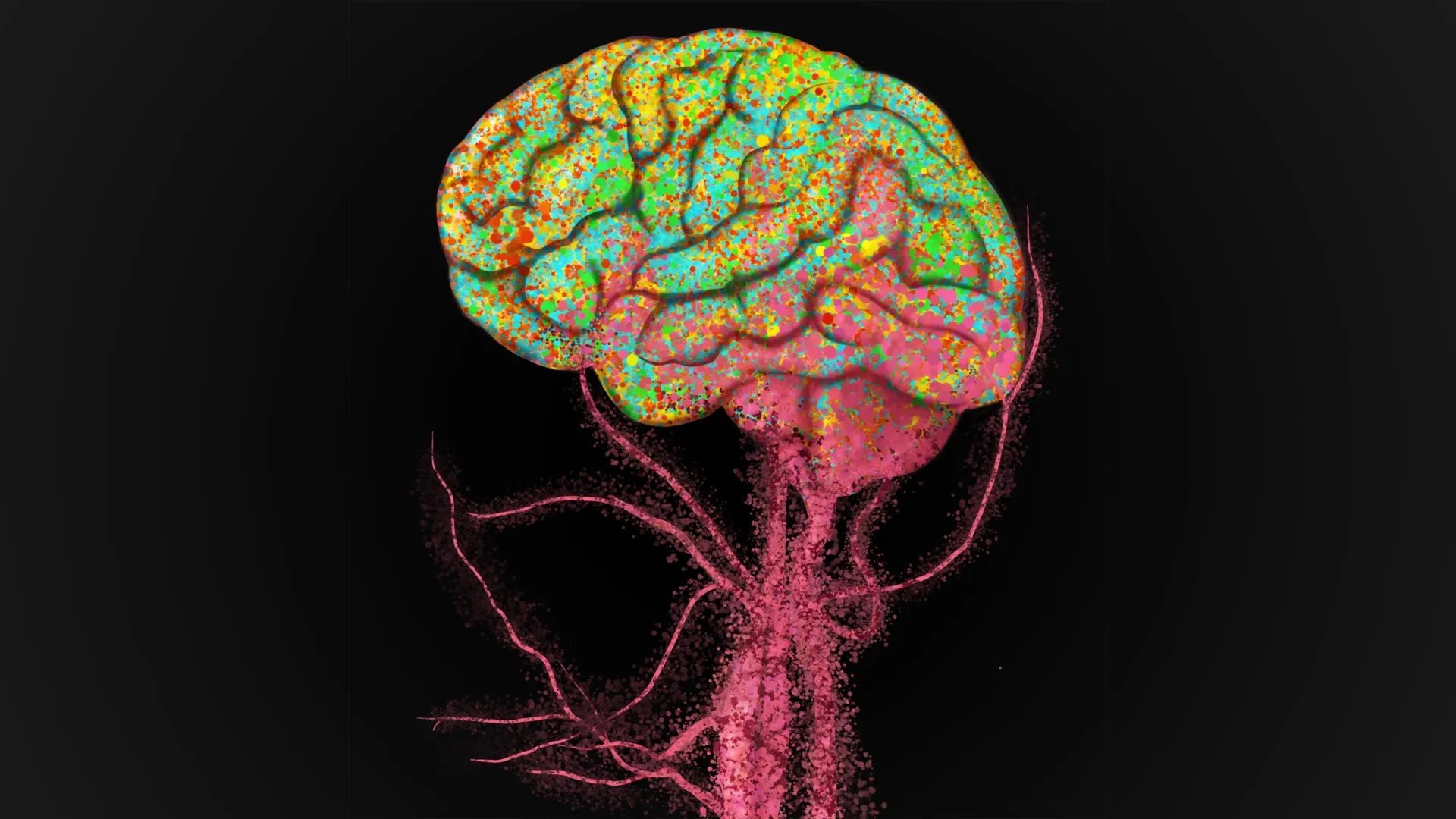
Stanford University researchers reported Friday in Nature that large numbers of blood-derived immune cells begin entering the human brain as early as middle age and can transform into microglia. The finding overturns the long-standing assumption that the brain is largely isolated from the body's immune system. The discovery could reshape understanding of brain aging and create new possibilities for treating neurological diseases.
Brain Immune Entry
The research, based on genetic information from thousands of people and published Friday in Nature, found that large numbers of immune cells from outside the brain enter the human brain during aging, beginning as early as middle age. Inside the brain, these blood-derived cells can transform into microglia, the organ's specialized immune cells. First author Julia Belk, a postdoctoral scholar in pathology at Stanford Medicine, said scientists usually think of the brain as a closed system, but 'a lot of immune cells enter the human brain during aging.' The work was supported by the Knight Initiative for Brain Resilience at the Wu Tsai Neurosciences Institute.
Clonal Hematopoiesis Link
Earlier work, also based on genetic data from thousands of people, showed that people carrying certain immune cell clones produced by mutated blood stem cells were less likely to develop Alzheimer's. Senior author Siddhartha Jaiswal, an associate professor of pathology at Stanford Medicine, and colleagues later found evidence that some of the mutant cells could enter the brain. The mutations are associated with clonal hematopoiesis of indeterminate potential, a condition found in only a minority of people.
Research Implications
The findings, published Aug. 14 in Nature, could reshape understanding of brain aging and eventually create new possibilities for treating neurological diseases. Belk's interdisciplinary training included Stanford's computer science department and the Sarafan ChEM-H Chemistry/Biology Interface Predoctoral Training Program, combining basic science, computer science and medicine. The study builds on earlier evidence that immune system changes may be involved in Alzheimer's risk.
3 sources
Time · lag behind first