
Study identifies how gut bacterium triggers colon cancer
This digest was compiled by AI from multiple sources — links to the originals are below.
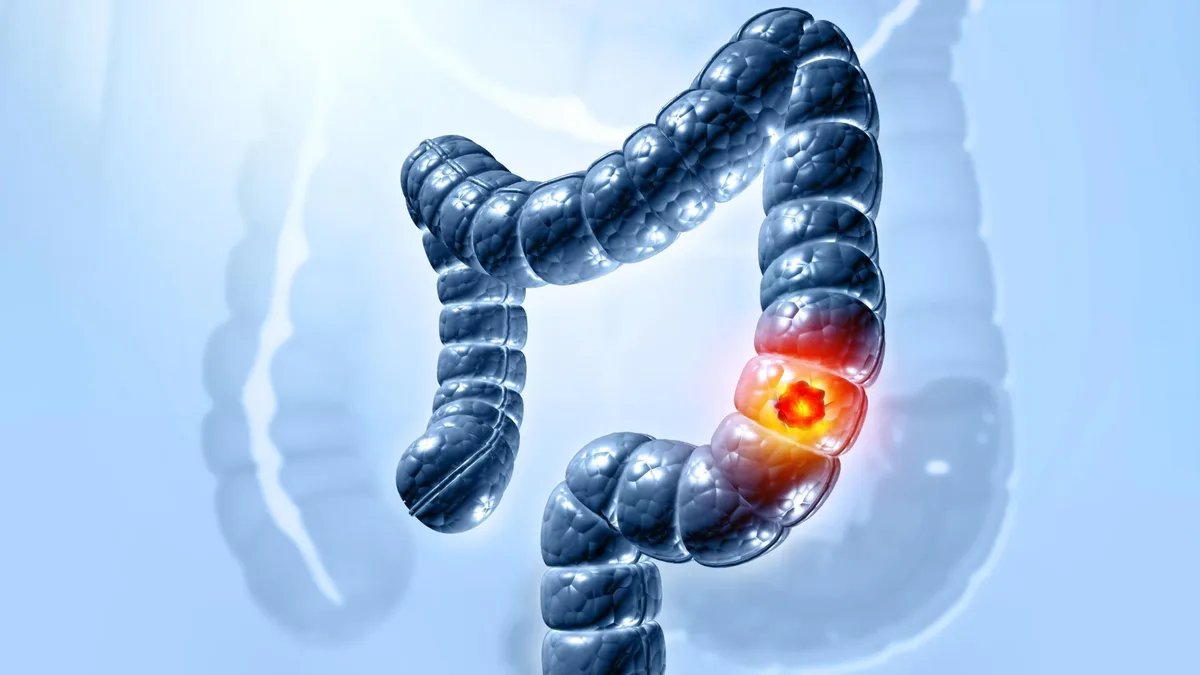
Scientists have identified how a common gut bacterium triggers colon cancer. The toxin binds to the claudin-4 receptor, damaging the colon's protective barrier. A decoy protein blocked the toxin in mice, suggesting a potential therapy.
The Mechanism
Researchers solved a long-standing mystery behind how a bacterial toxin associated with colorectal cancer damages the colon. The toxin first binds to a receptor called claudin-4, giving it access to attack the cells' protective barrier. This finding explains how the bacterium initiates inflammation and tumor formation.
The Decoy Strategy
After identifying this weak point, the team designed a decoy protein that successfully blocked the toxin in mice. The decoy prevented the toxin from binding to claudin-4, thereby protecting the colon lining. The approach could lead to new therapies to prevent inflammation and colon tumors.
1 source
Time · lag behind first