
Pet gecko tumors mirror human cancer genetics, study finds
This digest was compiled by AI from multiple sources — links to the originals are below.
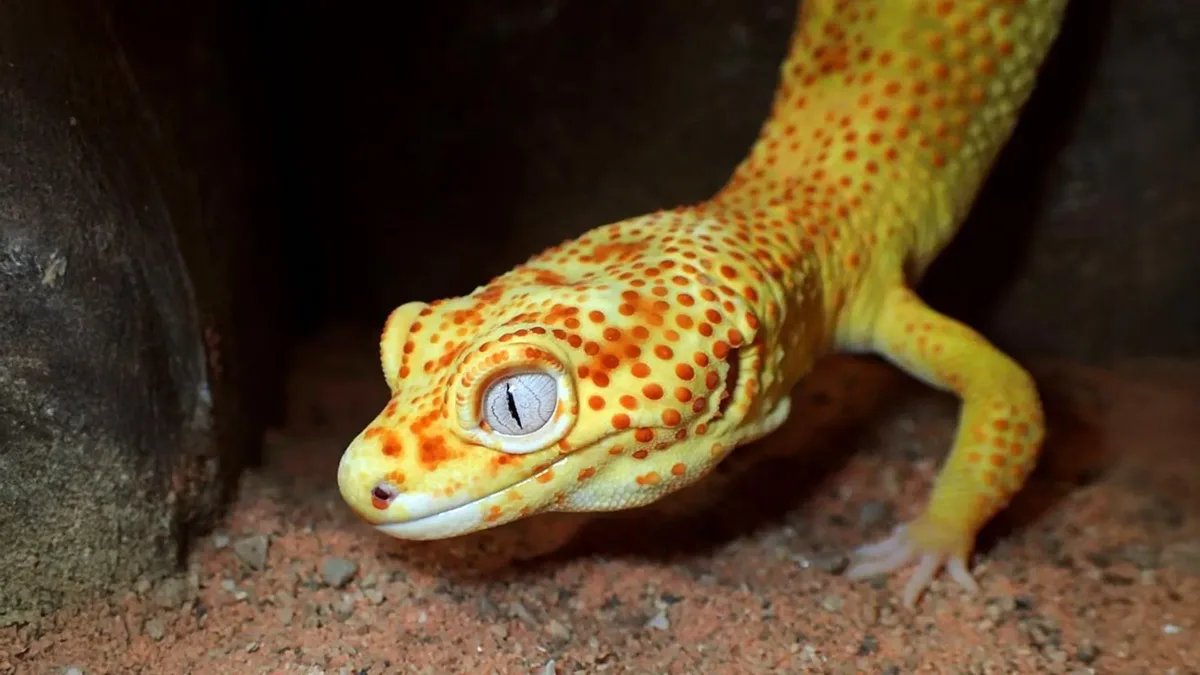
A leopard gecko that naturally develops aggressive tumors shares key genetic changes with human cancers, researchers report. The finding suggests the reptile could serve as a new model for studying cancer development in a natural setting.
The Discovery
Scientists identified a leopard gecko (Eublepharis macularius) that spontaneously develops malignant tumors. Genetic analysis revealed that these tumors harbor mutations in genes such as TP53 and KRAS, which are commonly altered in human cancers. The gecko's tumors also show similar patterns of genomic instability.
Research Implications
The gecko model offers a rare opportunity to study cancer as it arises naturally, without artificial induction. Unlike traditional lab mice, which often require genetic engineering or carcinogen exposure, this reptile develops tumors spontaneously. Researchers believe this could provide insights into early-stage tumorigenesis and immune system interactions.
Comparative Oncology
The study adds to a growing field of comparative oncology, which examines cancer across species. Other animals, such as Tasmanian devils and dogs, have also informed human cancer research. The gecko's long lifespan and unique physiology may offer additional advantages for studying age-related cancer risk.
1 source
Time · lag behind first