
Frog bacterium eliminates colorectal tumors in mice with single dose
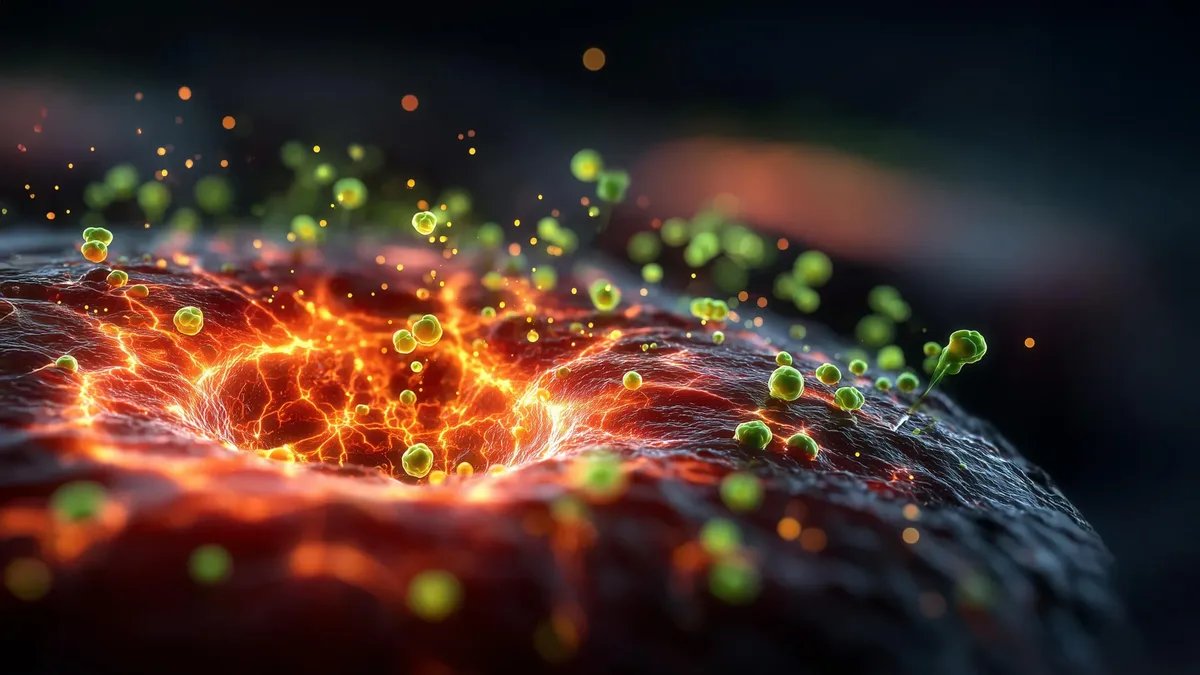
This digest was compiled by AI from multiple sources — links to the originals are below.
A naturally occurring bacterium from frog intestines eliminated colorectal tumors in mice after a single dose, according to a study published in ScienceDaily. The treatment both attacked cancer cells and activated the immune system. The findings suggest a potential new class of cancer therapy for solid tumors.
The Bacterium
The bacterium, isolated from the intestines of a frog species, belongs to a genus not previously known for anti-cancer properties. Researchers administered a single dose to mice with colorectal tumors, leading to complete tumor elimination in all treated animals. The mechanism involves direct cytotoxicity against cancer cells and stimulation of the host immune response.
Mechanism of Action
The bacterium targets cancer cells through a dual mode: it secretes a compound that induces apoptosis in tumor cells, and it triggers an influx of immune cells, including T cells and natural killer cells, into the tumor microenvironment. In the study, 100% of treated mice showed no tumor regrowth during the observation period. The treatment also showed efficacy against other solid tumor types in preliminary experiments.
Implications for Human Therapy
The findings open a new avenue for cancer therapy, particularly for solid tumors that are resistant to current immunotherapies. The bacterium is naturally occurring and non-pathogenic to humans, reducing safety concerns. However, the study is limited to mouse models, and human trials are needed to confirm efficacy and safety.
1 source
Time · lag behind first