
Antarctic bottom water loss accelerates, slowing global ocean currents
This digest was compiled by AI from multiple sources — links to the originals are below.
New research shows the deepest layer of the Southern Ocean is shrinking faster than previously known, with the rate of change accelerating over the past decade. The cold, dense Antarctic Bottom Water (AABW) drives up to 40% of the global ocean volume and regulates Earth's climate system. The slowdown of this circulation could have far-reaching consequences for global heat distribution and sea levels.
The Shrinking Layer
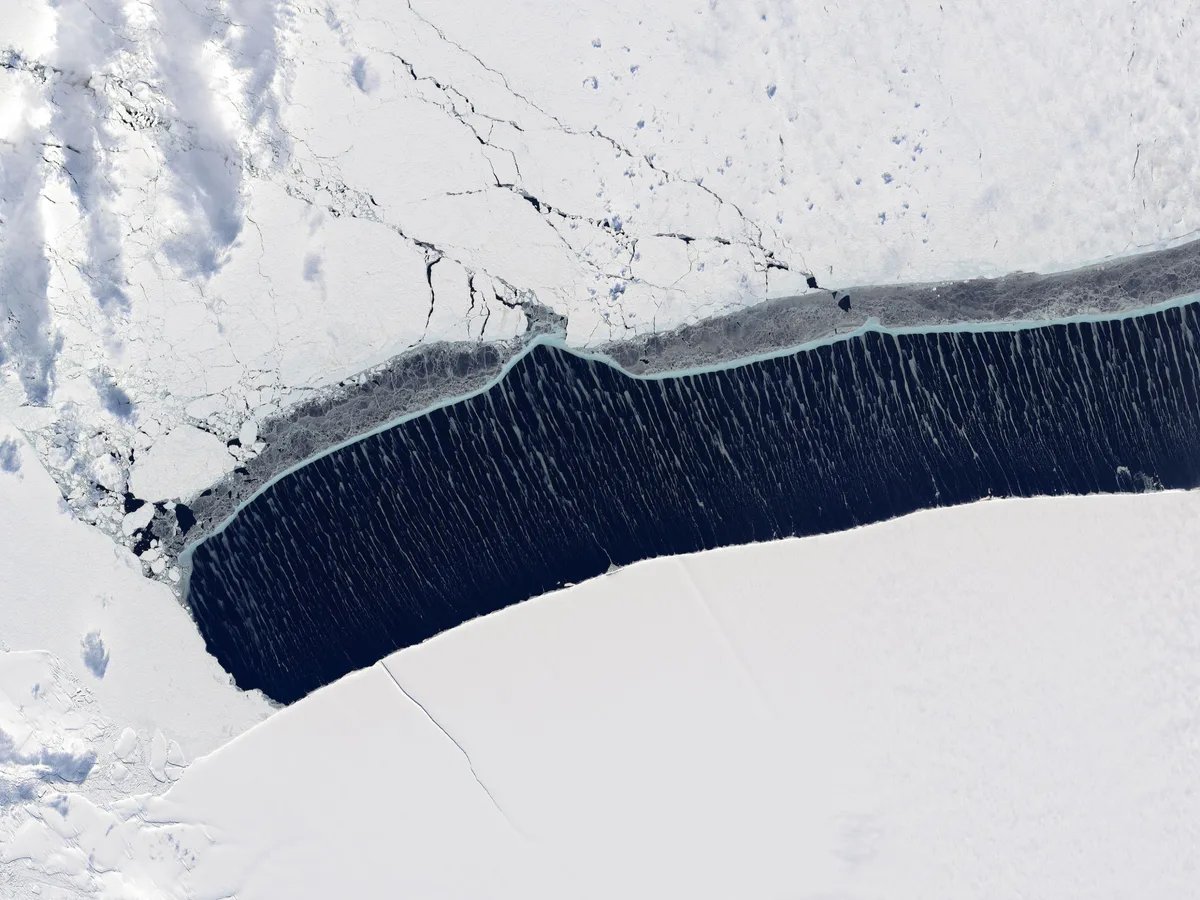
Antarctic Bottom Water (AABW) forms near the continent's coast as sea ice freezes, leaving behind cold, salty water that sinks to the ocean floor. This dense water mass then spreads northward, filling the deep basins of the Atlantic, Pacific, and Indian Oceans. New measurements indicate the volume of AABW has decreased significantly, with the rate of loss accelerating in the last decade. Scientists attribute the change to increased melting of Antarctic ice shelves, which adds fresh water that disrupts the sinking process.
Global Circulation Impact
The slowdown of AABW formation weakens the global ocean conveyor belt, a system of currents that redistributes heat around the planet. This circulation moves warm surface water toward the poles and returns cold deep water to the equator, regulating climate patterns. A weaker current could alter weather systems, affect marine ecosystems, and accelerate sea level rise along certain coastlines. Computer models suggest the circulation may slow by 40% by 2050 if current trends continue.
Research Methodology
The study, published in Nature Climate Change, analyzed data from 35 research cruises and 30 years of satellite observations. Researchers measured temperature, salinity, and oxygen levels in the Southern Ocean to track changes in AABW volume. The team, led by scientists from the University of New South Wales, found that the contraction rate has doubled since the 1990s. The findings align with earlier projections but show the process is happening faster than expected.
Geological Evidence from Ross Sea
Sediment cores from IODP Site U1524 in the Ross Sea reveal that turbidity currents associated with dense bottom-water formation occurred during the Pliocene-Pleistocene. These deposits provide a geological record of past Antarctic Bottom Water dynamics, offering a long-term perspective on processes currently observed.
2 sources
Time · lag behind first