Melting icebergs weaken Atlantic current system, UC Davis study finds
This digest was compiled by AI from multiple sources — links to the originals are below.

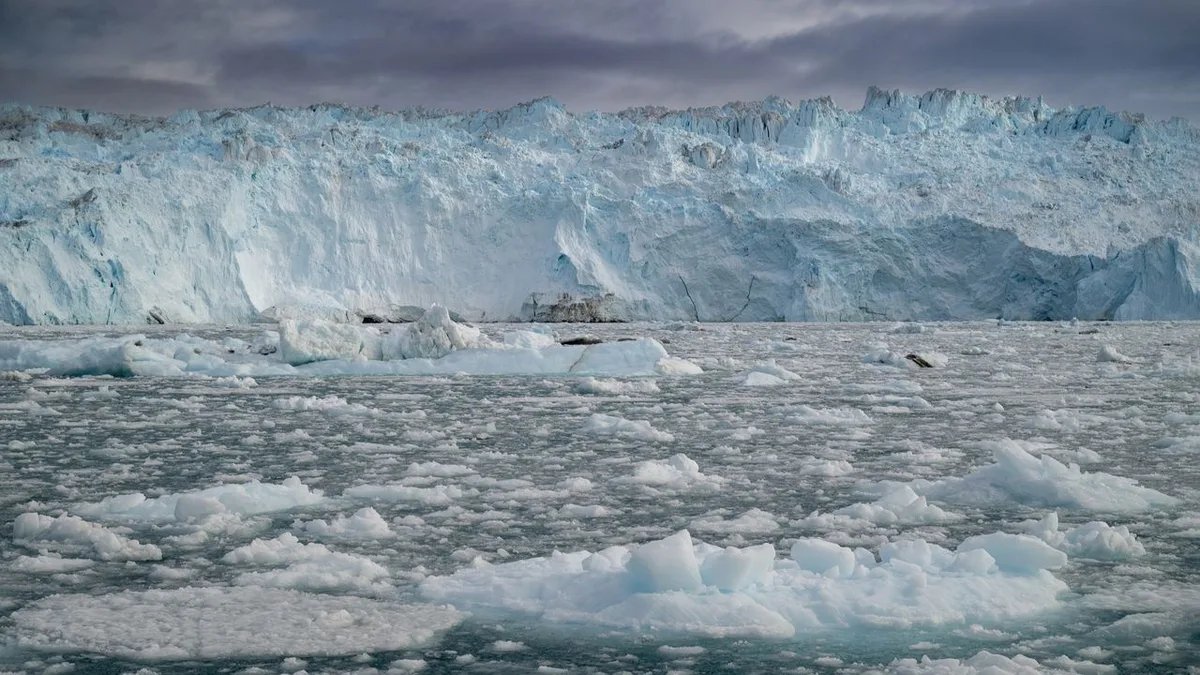
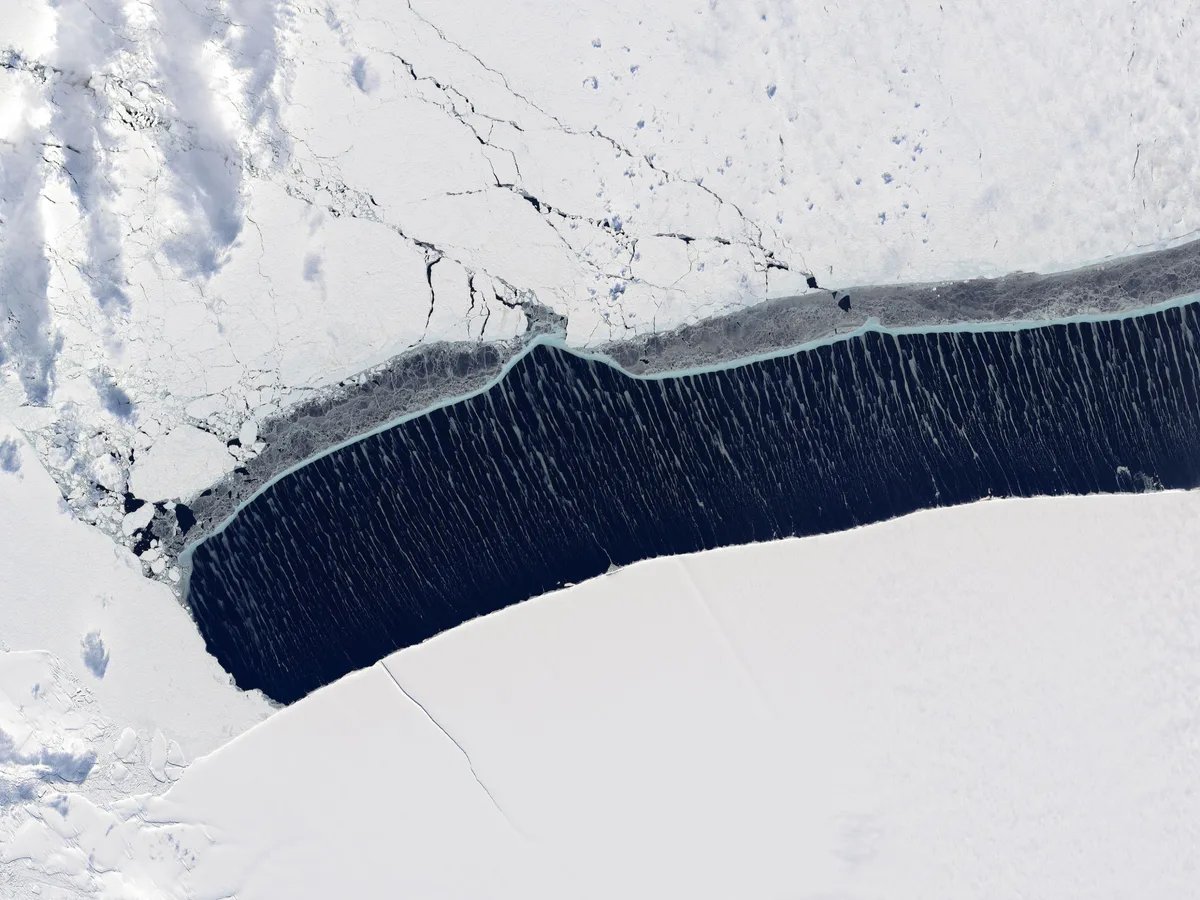
Melting icebergs in the northeastern Pacific Ocean can weaken a major Atlantic Ocean current system, a University of California, Davis study published in Nature Communications found. The research links distant ice melt to changes in the Atlantic Meridional Overturning Circulation (AMOC).
The Study
Researchers at the University of California, Davis used climate models to simulate the effect of iceberg melt in the northeastern Pacific on the AMOC. They found that freshwater from melting icebergs can alter ocean salinity and density, weakening the current system over decades. The study was published July 13 in Nature Communications.
Mechanism
The mechanism involves changes in sea surface temperature and salinity in the Pacific, which affect atmospheric circulation and ultimately the Atlantic current. The AMOC is a key component of the global climate system, responsible for transporting warm water northward. A weaker AMOC could have significant climate impacts, including cooling in the North Atlantic and sea-level rise along the U.S. East Coast.
What's Next
Further research is needed to quantify the exact timescale and magnitude of the effect. It remains unclear how this process interacts with other factors driving AMOC slowdown, such as Greenland ice melt.
1 source
Melting icebergs weaken Atlantic current system, UC Davis study finds