Gravitational waves reveal black hole formation pathways
This digest was compiled by AI from multiple sources — links to the originals are below.
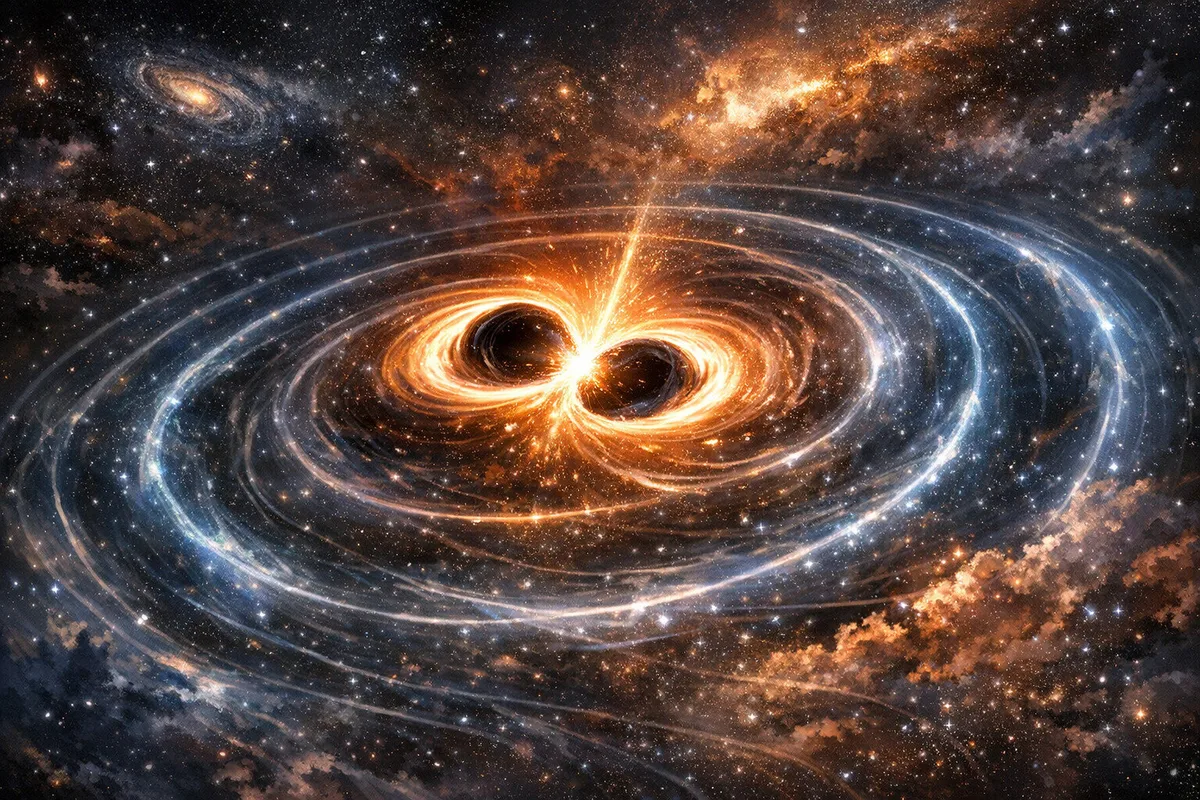
Analysis of gravitational wave data from LIGO, Virgo, and KAGRA has identified distinct populations among merging black holes, shedding light on their formation mechanisms. The findings suggest that some black holes form in dense star clusters while others originate from isolated binary systems. This resolves a long-standing question in astrophysics.
The Data Catalog
Since the first detection in 2015, LIGO, Virgo, and KAGRA have recorded hundreds of gravitational wave signals from black hole mergers. The combined catalog now includes over 90 confirmed events, providing a statistical sample large enough to probe formation channels. Researchers analyzed mass and spin distributions to infer the origins of these black holes.
Formation Pathways
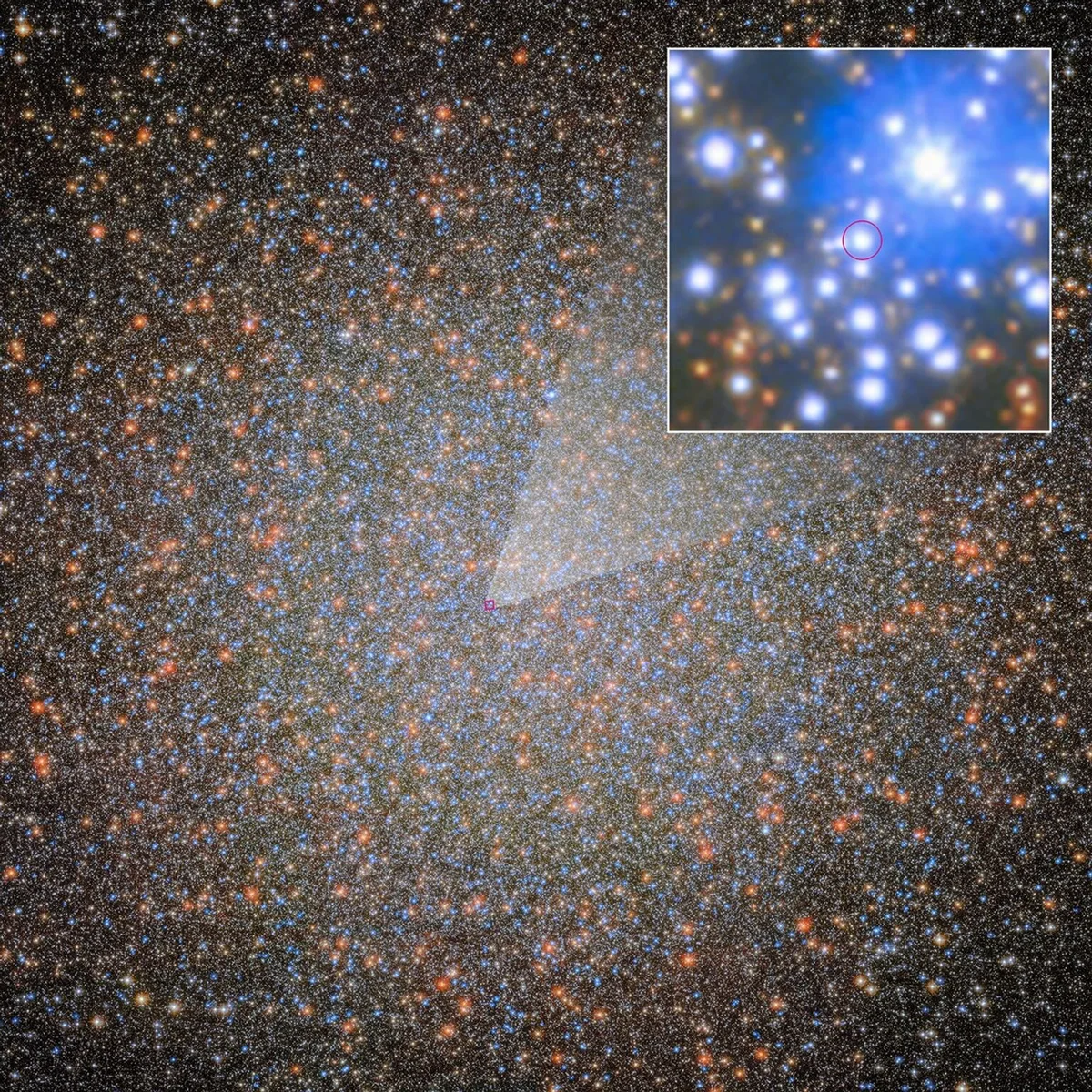
The analysis reveals two distinct populations: one with low spins and masses consistent with isolated binary evolution, and another with higher spins and masses indicative of dynamical formation in dense clusters like globular clusters. Approximately 30% of mergers show signatures of cluster origin, while the rest align with field binary models. This dichotomy explains previously puzzling variations in merger rates.
What's Next
Future observations with next-generation detectors like the Einstein Telescope will refine these population models. It remains unclear whether additional formation channels, such as primordial black holes, contribute to the observed merger rates.
1 source
Gravitational waves reveal black hole formation pathways