
Amazon tree stress response may alter atmospheric chemistry
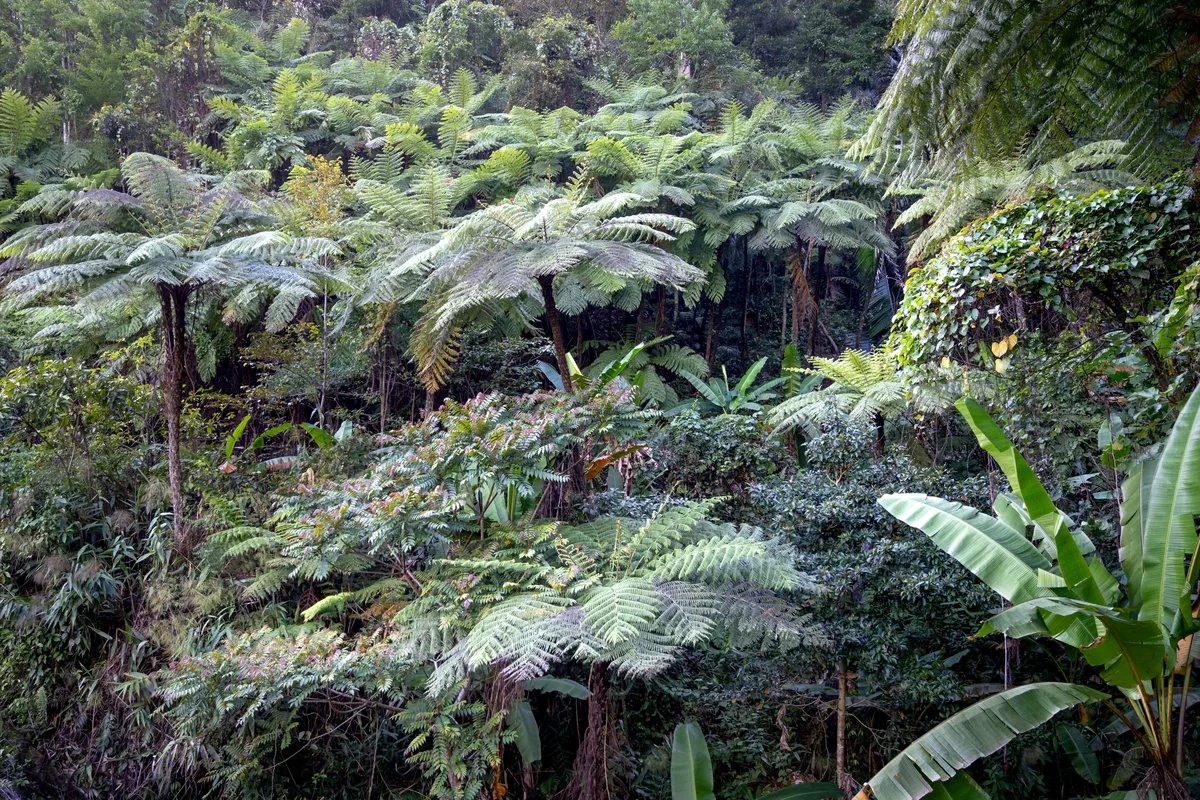
This digest was compiled by AI from multiple sources — links to the originals are below.
Climate warming is increasing stress on Amazon trees, boosting their emission of biogenic volatile organic compounds (VOCs). These gases, which protect trees from oxidative stress and herbivores, react in the atmosphere to influence particle formation and cloud cover. The shift could alter regional rainfall patterns and climate feedback loops.
The Stress Mechanism
Amazon trees release VOCs as a defense against heat, drought, and herbivore attacks. These compounds mitigate oxidative stress inside leaves and deter pests. As climate warming intensifies, trees face more frequent and severe stress, potentially increasing VOC emissions.
Atmospheric Impact
Once emitted, VOCs react rapidly with nitrogen oxides and other gases in the atmosphere. This chemistry influences the formation of secondary organic aerosols, which seed cloud droplets. Changes in cloud properties can affect regional rainfall, a critical factor for the Amazon ecosystem.
Climate Feedback Loop
Higher VOC emissions may alter the Amazon's role as a carbon sink and its influence on the water cycle. The rainforest currently stores about 150-200 billion tons of carbon. Shifts in atmospheric chemistry could accelerate warming, creating a feedback loop that further stresses trees.
2 sources
Time · lag behind first