
Amazon methane emissions exceed climate model estimates, study finds
This digest was compiled by AI from multiple sources — links to the originals are below.
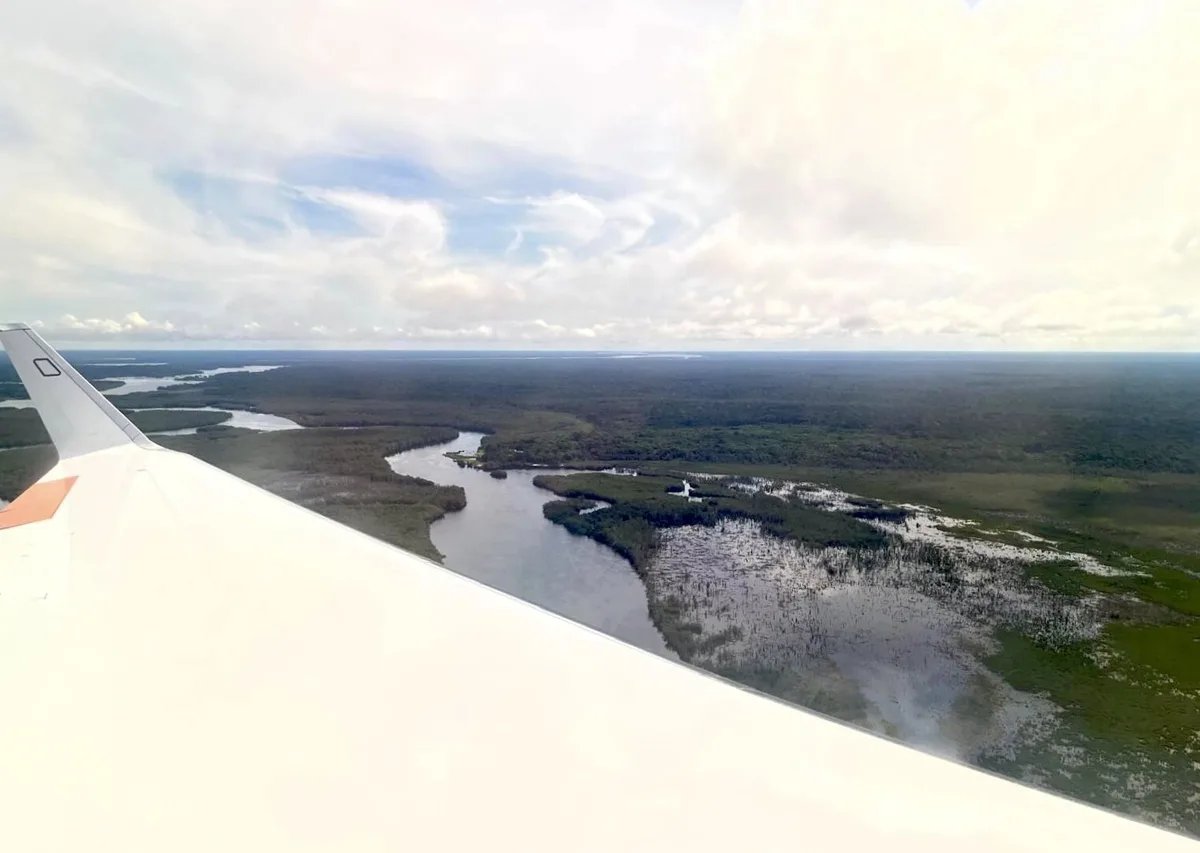
Low-altitude aircraft flights over the Amazon basin have revealed methane emissions far higher than those predicted by climate models, according to a study published in Nature. The findings suggest tropical wetlands may be a much larger source of the potent greenhouse gas than previously assumed, complicating global climate projections.
Measurement Gap
Tropical wetlands, particularly in the Amazon, produce substantial methane, but accurate estimates have been hindered by a lack of measurement data. Extensive cloud cover in the tropics interferes with satellite observations, and ground-based measurements remain sparse. The study used low-altitude aircraft to collect data directly from the atmosphere, bypassing these limitations.
Emission Discrepancy
The aircraft measurements showed methane concentrations up to 30% higher than those predicted by current climate models. The discrepancy was most pronounced during the wet season, when flooded areas expand. Researchers estimate that Amazon wetlands alone could contribute an additional 20 million tonnes of methane annually, equivalent to about 5% of global anthropogenic emissions.
1 source
Time · lag behind first