Nature assesses biodiversity resilience in tropical rainforest amid human disturbance
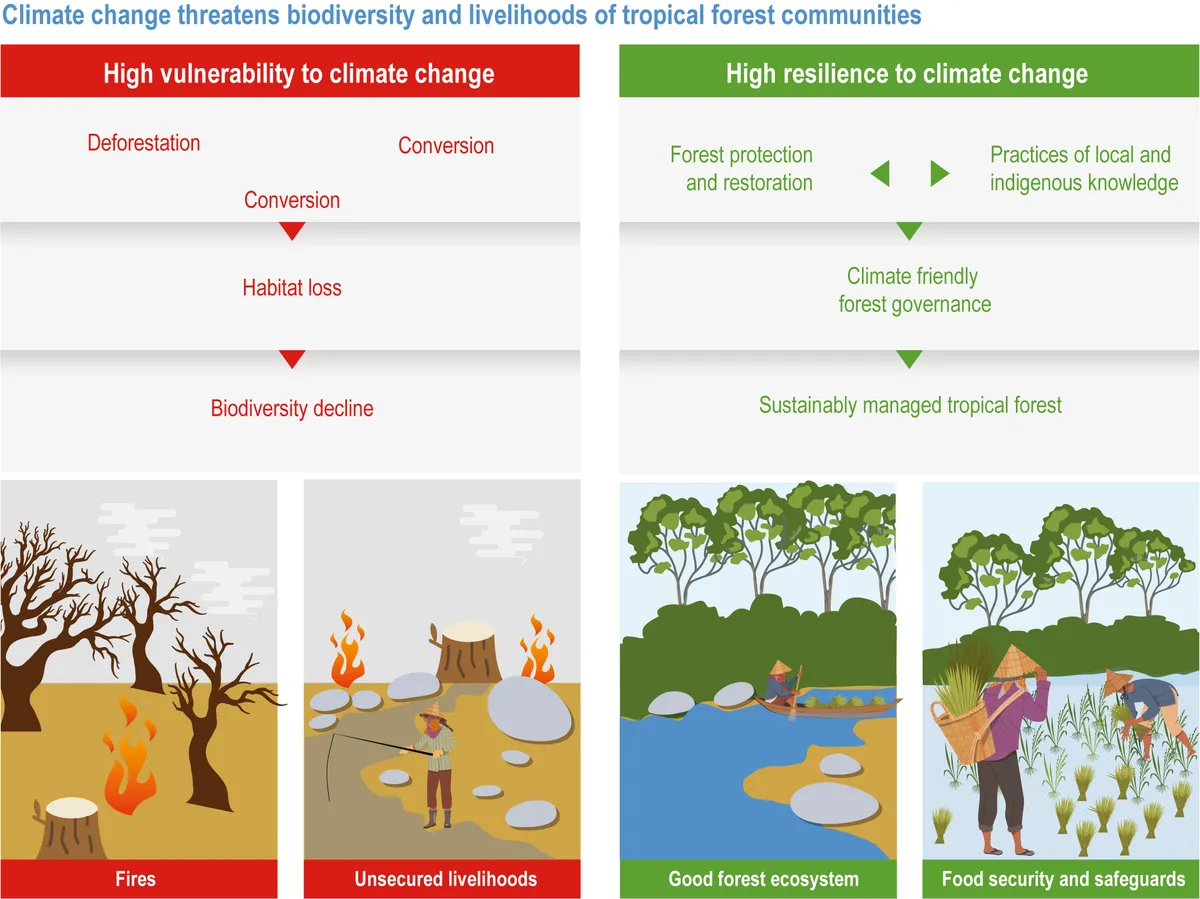
Nature's study evaluates 16 taxonomic groups in a lowland tropical forest for resilience against human disturbance. The research highlights the potential of secondary forests to recover biodiversity losses. This comes as deforestation continues to threaten global ecosystems.
Study Findings
The study published in Nature examines the resilience of 16 taxonomic groups in a lowland tropical forest. Researchers found that naturally regenerating secondary forests can significantly reverse biodiversity losses. The assessment was conducted in collaboration with local environmental agencies and covered an area of 10,000 hectares.
Human Impact on Biodiversity
Anthropogenic activities, including logging and agriculture, have severely impacted tropical rainforests. The study highlights that over 60% of primary forests have been affected. Conservation efforts by organizations like WWF are crucial in mitigating these impacts and promoting forest regeneration.
What's Next
Further studies are planned to explore long-term biodiversity recovery in secondary forests. It remains uncertain how quickly these ecosystems can fully recover amid ongoing human activities.
2 sources
Nature assesses biodiversity resilience in tropical rainforest amid human disturbance