Nature reconstitutes rice resistance using XA48 and XA21 immune modules
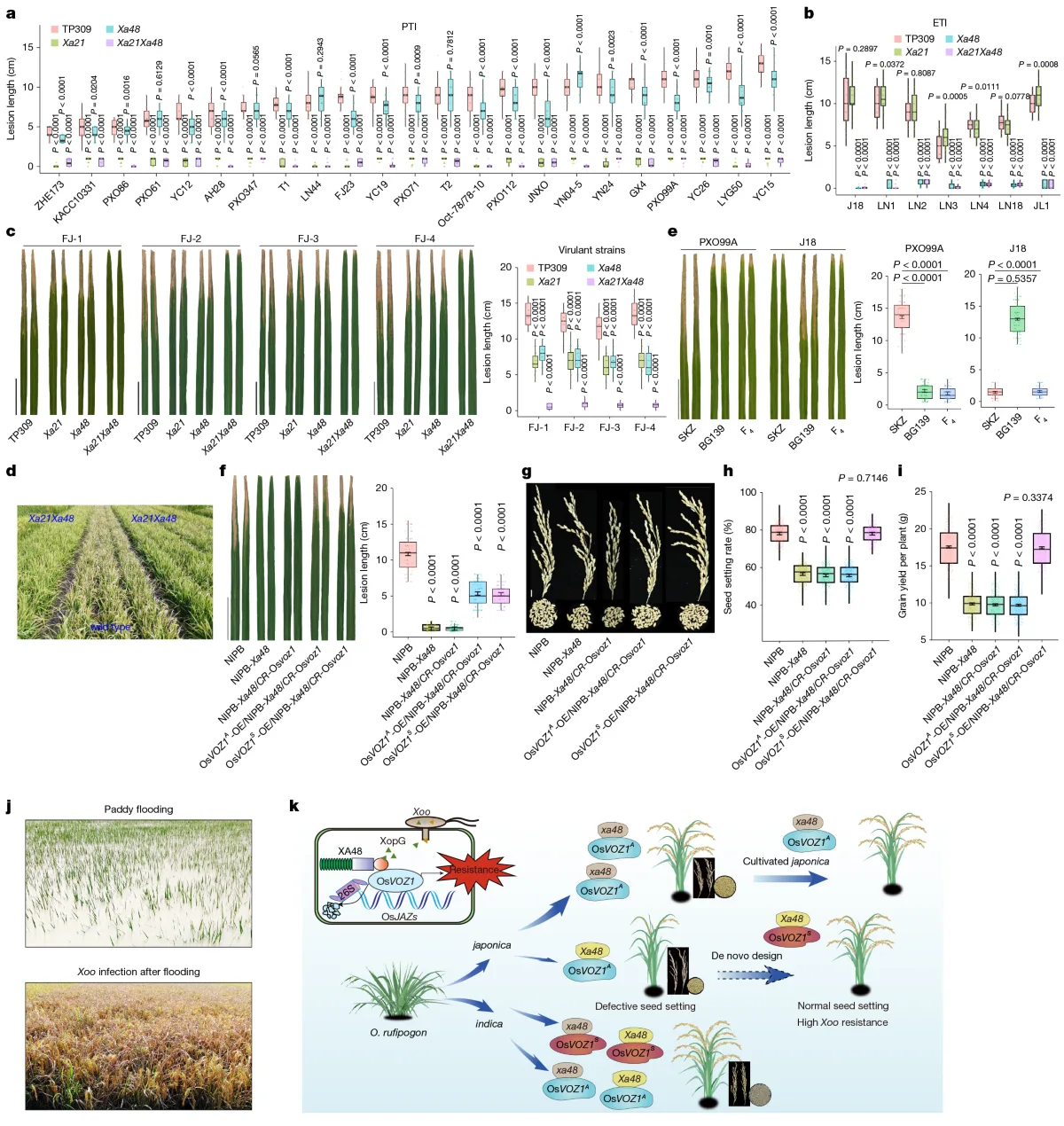
Nature researchers have successfully combined XA48 and XA21 immune modules in Oryza sativa japonica, enhancing disease resistance. This breakthrough was published on April 8, 2026. The development offers potential for improved rice crop resilience.
Research Findings
The study, published in Nature, demonstrates the integration of XA48-mediated effector-triggered immunity with XA21-mediated pattern-triggered immunity in Oryza sativa japonica. This combination reconstitutes the broad-spectrum resistance observed in wild rice varieties. The research highlights the potential for these genetic modules to enhance disease resistance in cultivated rice.
Implications for Agriculture
The successful stacking of these immune modules could significantly impact rice production, particularly in regions prone to disease outbreaks. The study's findings suggest a pathway for developing rice strains with enhanced resistance, potentially reducing reliance on chemical pesticides. This advancement aligns with global efforts to improve food security and sustainable agricultural practices.
What's Next
Further field trials are expected to assess the practical applications of these findings. It remains uncertain how quickly these genetic advancements can be adopted by rice farmers worldwide.
1 source
Nature reconstitutes rice resistance using XA48 and XA21 immune modules