Oil Prices Surge to $150 as Hormuz Crisis Escalates
This digest was compiled by AI from multiple sources — links to the originals are below.

Oil prices have reached nearly $150 per barrel amid escalating tensions in the Strait of Hormuz. The surge reflects heightened geopolitical risks affecting global supply routes. This development occurs even as diplomatic efforts to ease tensions continue.
Oil Price Surge
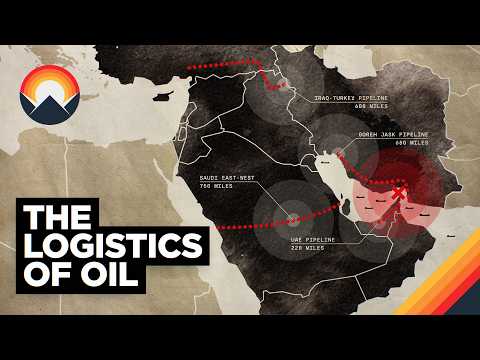
The price of physical oil has surged to nearly $150 per barrel, marking a new record high. This increase is attributed to the ongoing crisis in the Strait of Hormuz, a critical chokepoint for global oil shipments. The region is responsible for the transit of approximately 20% of the world's oil supply. Market analysts note that the current price levels are reminiscent of the 2008 financial crisis peak.
Geopolitical Tensions
Tensions in the Strait of Hormuz have intensified, affecting global oil markets. The strait, controlled by Iran, has seen increased military activity, raising concerns over potential disruptions. The United States and its allies have been monitoring the situation closely, with naval forces deployed to ensure the security of shipping lanes. The crisis has prompted calls for diplomatic intervention to prevent further escalation.
Impact on Indian Economy
The rising tensions between the US and Iran are expected to affect fuel and LPG prices in India. As oil prices increase, the cost of everyday goods in India may also rise, impacting the overall economy. Analysts suggest monitoring the situation closely to assess the potential economic implications for India.
US Oil Price Increase
US crude oil prices have surged nearly 8%, reaching $104 per barrel amid concerns over a potential US blockade of the Strait of Hormuz. In March, Iran exported approximately 1.85 million barrels of crude per day through the strait, highlighting its significance in global oil trade.
Iranian Orders Halt Shipping
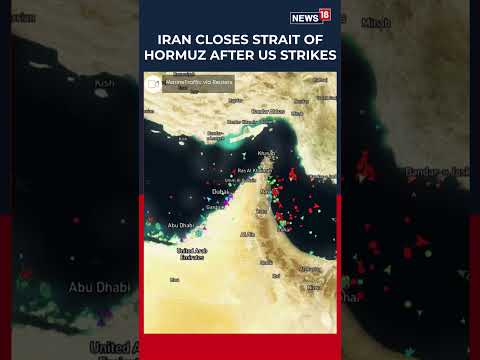
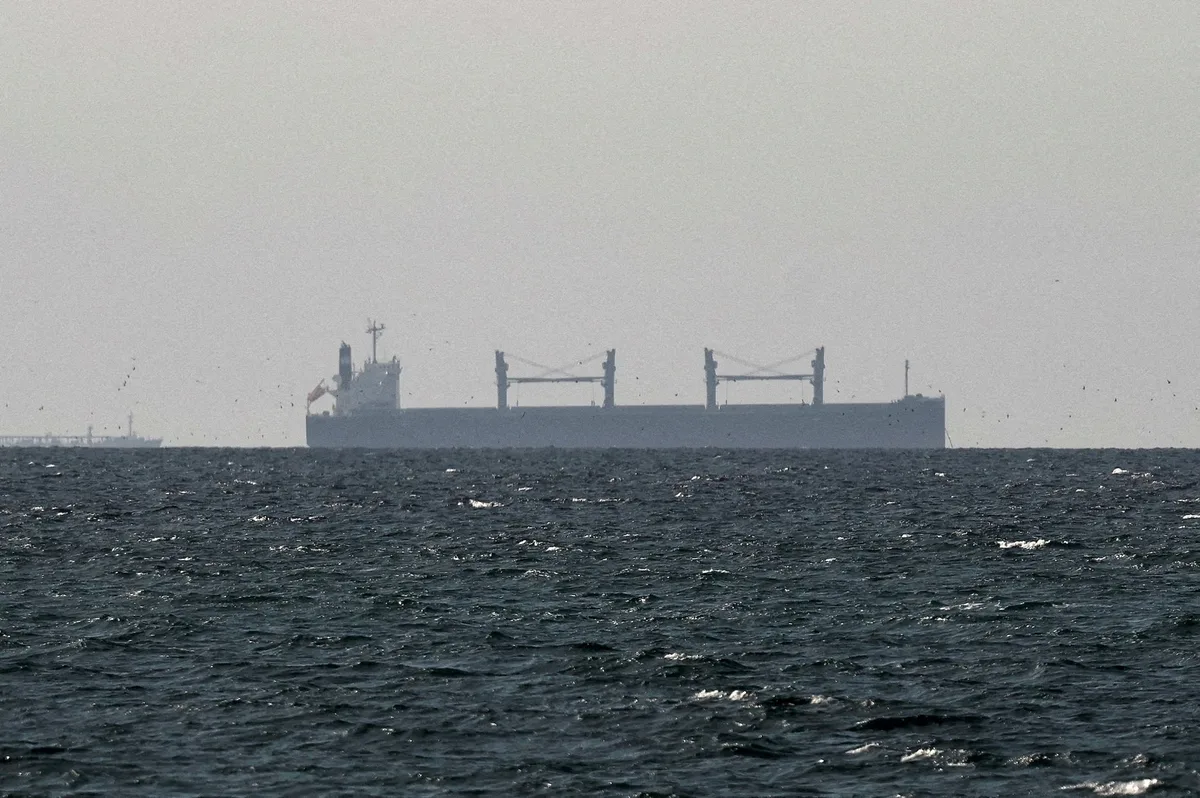
Iran's security forces have instructed ships not to cross the Strait of Hormuz, leading to a halt in tanker traffic. This development has contributed to the surge in oil prices, adding pressure to global markets. The situation underscores the strategic importance of the strait and the potential for significant economic impacts.
Iranian Military Command Announcement
Iran's top joint military command declared that oil tankers and commercial vessels would not be allowed to cross the Strait of Hormuz. The announcement followed fresh US strikes on Iranian targets, directly linking the closure to military action.
Expert Analysis on Oil Surge
Jorge León of Rystad Energy provided analysis on the forces driving benchmark oil prices amid the Strait of Hormuz crisis. The expert's insights offer a deeper understanding of the market dynamics behind the recent price surge.
Expert Analysis on Oil Prices
Cornelia Meyer, a specialist on oil and gas markets and CEO at Meyer Resources, stated that until consistent two-way traffic resumes in the Strait of Hormuz, concerns over supply disruptions will persist. Her comments highlight the ongoing uncertainty in the region.
Ceasefire Termination by Trump
President Trump declared the ceasefire agreement between the U.S. and Iran to be over, escalating the conflict. Iran claimed the Strait of Hormuz was closed as both sides exchanged strikes over the weekend.
What's Next
The UN Security Council is set to discuss the situation in an upcoming session. It remains unclear whether diplomatic efforts will succeed in de-escalating the crisis.
7 sources
Oil Prices Surge to $150 as Hormuz Crisis Escalates