Oil Prices Surge to $150 as Hormuz Crisis Escalates
This digest was compiled by AI from multiple sources — links to the originals are below.

Oil prices have surged to nearly $150 a barrel amid escalating tensions in the Strait of Hormuz. The increase reflects growing concerns over supply disruptions. This comes even as diplomatic efforts to resolve the crisis continue.
Market Impact
The surge in oil prices has been driven by fears of supply disruptions as tensions in the Strait of Hormuz intensify. The strait is a critical chokepoint through which approximately 20% of the world's oil passes. Major oil producers, including Saudi Arabia and Iran, are closely monitoring the situation, with potential implications for global energy markets.
Diplomatic Efforts
International diplomatic efforts are underway to de-escalate the situation in the Strait of Hormuz. The United Nations has called for restraint from all parties involved. Meanwhile, the United States and European Union are engaging in talks to find a peaceful resolution, though no agreement has been reached yet.
Iran Strait Closure Announcement
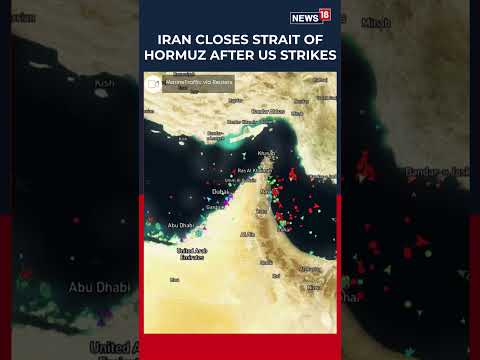
Iran's top joint military command declared the closure of the Strait of Hormuz to oil tankers and commercial vessels following fresh US strikes on Iranian targets. Global oil prices surged by more than $2 a barrel in response to the announcement.
Expert analysis on oil price surge
Jorge León of Rystad Energy provided analysis on the forces driving benchmark oil prices higher. The Strait of Hormuz remains a critical chokepoint for global oil supply.
Oil Price Surge Details
US crude oil prices surged nearly 8% to $104 per barrel amid fears of a US blockade of the Strait of Hormuz. In March, Iran exported approximately 1.85 million barrels of crude per day through the strait.
What's Next
The UN Security Council is set to convene an emergency meeting next week. It remains unclear whether a consensus can be reached to ease the tensions.
4 sources
Oil Prices Surge to $150 as Hormuz Crisis Escalates