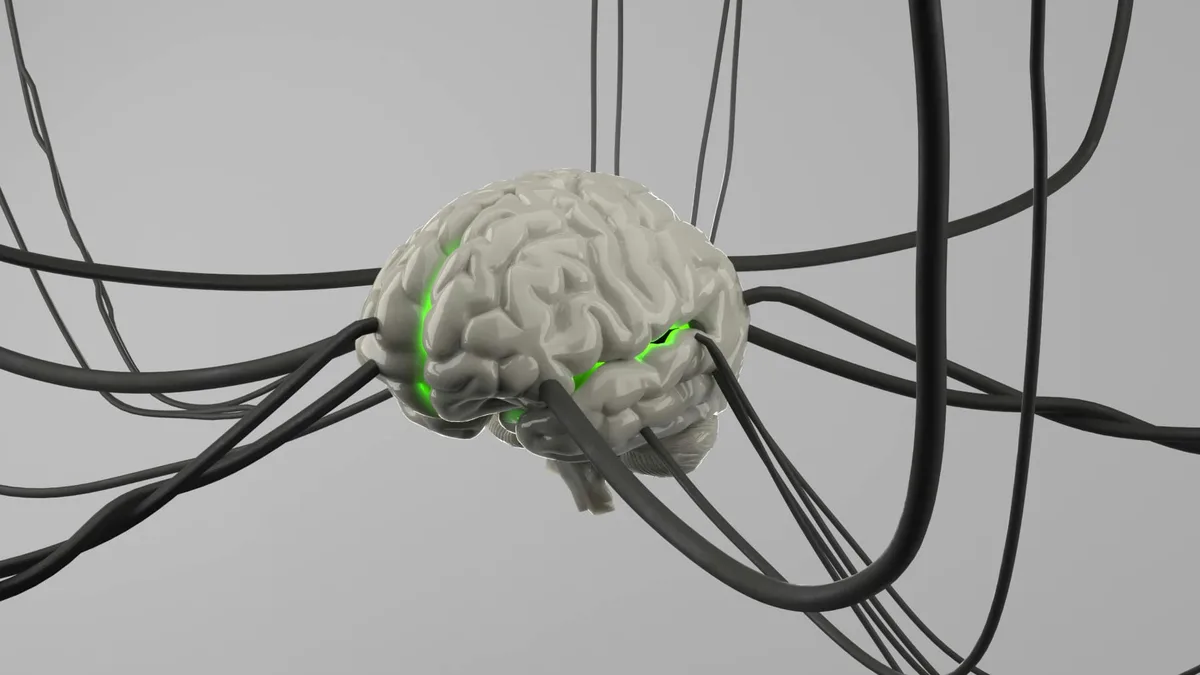
Researchers Identify Brain Networks Affecting Perception of Time
This digest was compiled by AI from multiple sources — links to the originals are below.
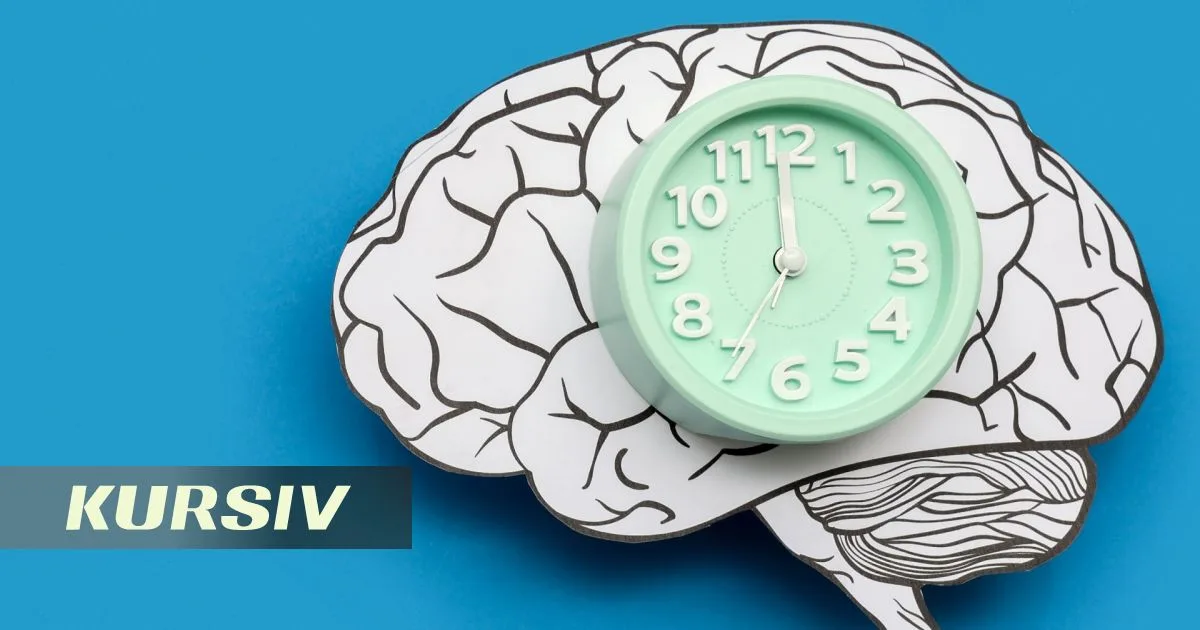
Researchers have identified brain networks that influence how humans perceive time. These networks, along with brain rhythms and memory, determine the speed of time perception. The findings suggest a complex mechanism behind the brain's ability to measure time.
Neural Networks and Time Perception
Researchers have discovered that specific neural networks in the brain are responsible for how time is perceived. These networks work in conjunction with brain rhythms and memory to create a subjective experience of time. The study was conducted by a team of neuroscientists who analyzed brain activity patterns.
Biological Clock Theory
The theory of a biological clock suggests that the brain generates regular impulses to measure time. This concept has been widely studied and remains a leading explanation for time perception. The research highlights the role of these impulses in creating the sensation of time passing slowly or quickly.
Brain Network Paradigm Shift
The study of brain networks has shifted focus from individual brain regions to interconnected systems. Complex functions such as language, emotions, and learning are now understood as products of multiple regions working together.
What's Next
Further studies are expected to explore the implications of these findings on cognitive functions. It remains unclear how these networks might be influenced by external factors.
2 sources
Researchers Identify Brain Networks Affecting Perception of Time