Northwestern University develops artificial neurons for brain cell interaction
This digest was compiled by AI from multiple sources — links to the originals are below.
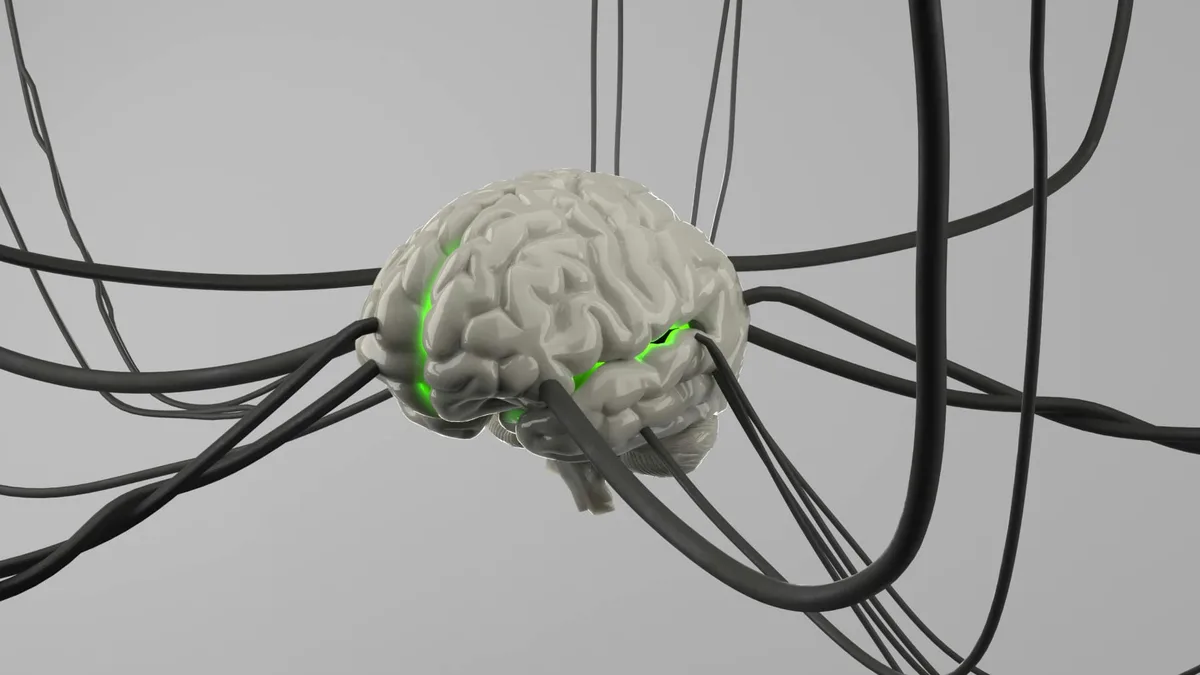
Researchers at Northwestern University have developed artificial neurons that can interact with brain cells. The study demonstrates these neurons' ability to communicate and activate live brain cells. This advancement comes even as challenges in neural technology integration persist.
Artificial Neurons Developed
Scientists at Northwestern University have created printed artificial neurons, flexible electronic devices that mimic the signals of real nerve cells. These neurons were tested for their ability to communicate with live brain cells, showing promising results in activating them. The research aims to bridge the gap between artificial and biological systems.
Research Implications
The development of these artificial neurons could lead to significant advancements in medical technology, particularly in neural interfaces. The study highlights potential applications in treating neurological disorders by directly interacting with brain cells. However, the integration of such technologies into practical use remains a challenge.
COVID-19 Detection via AI
Northwestern University developed Deep COVID-XR, an artificial intelligence system for diagnosing COVID-19 from chest X-rays. The technology aims to provide cheaper and faster testing compared to existing methods.
Modular Robots with Athletic Intelligence
Northwestern University engineers have developed the first modular robots with athletic intelligence, called 'legged metamachines.' These robots can be combined and recombined in the wild, recover from injury, and continue moving regardless of obstacles.
What's Next
Further testing and development of these neurons are expected in the coming months. It remains unclear how soon these technologies can be safely implemented in medical treatments.
3 sources
Northwestern University develops artificial neurons for brain cell interaction