NASA targets Moon's far side for Artemis II exploration
This digest was compiled by AI from multiple sources — links to the originals are below.

NASA's Artemis II mission will explore the Moon's far side, focusing on geological features. Scientists are eager to study these areas for insights into lunar history. The mission proceeds even as technical challenges persist.
Geological Features of Interest
Artemis II astronauts will examine the Moon's far side, focusing on unique geological formations. NASA scientists, including those from the Johnson Space Center, aim to gather data on impact craters and volcanic regions. The mission will provide new insights into the Moon's composition, with a particular interest in the South Pole-Aitken basin, one of the largest known impact craters in the solar system.
Mission Objectives and Challenges
The Artemis II mission, scheduled for 2026, involves a crewed flyby of the Moon's far side. NASA's goal is to test new technologies and gather data for future lunar landings. Despite ongoing technical challenges, such as communication delays and navigation precision, the mission is a crucial step in NASA's plan to establish a sustainable human presence on the Moon by the end of the decade.
Artemis II Mission Duration and Crew
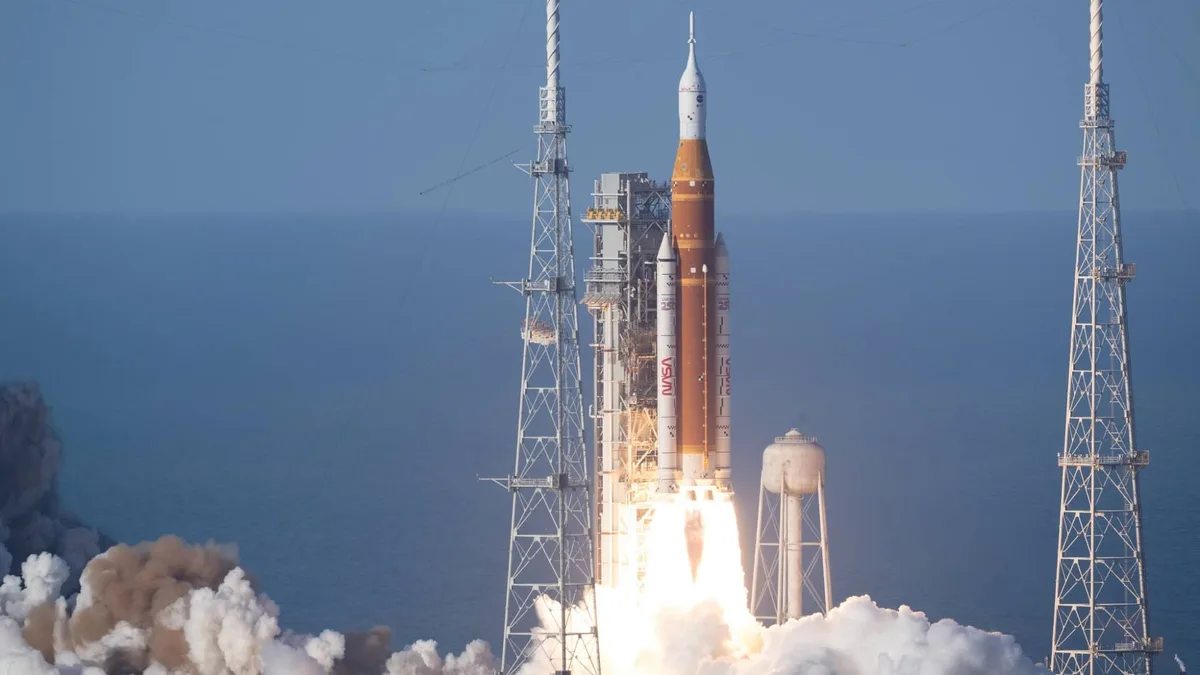
The Artemis II mission is planned to last approximately 10 days, marking the first crewed test flight of the Space Launch System rocket and the Orion spacecraft. Four astronauts will participate in this mission, which will also test the Exploration Ground Systems at NASA’s Kennedy Space Center.
Artemis 2 Crew Members
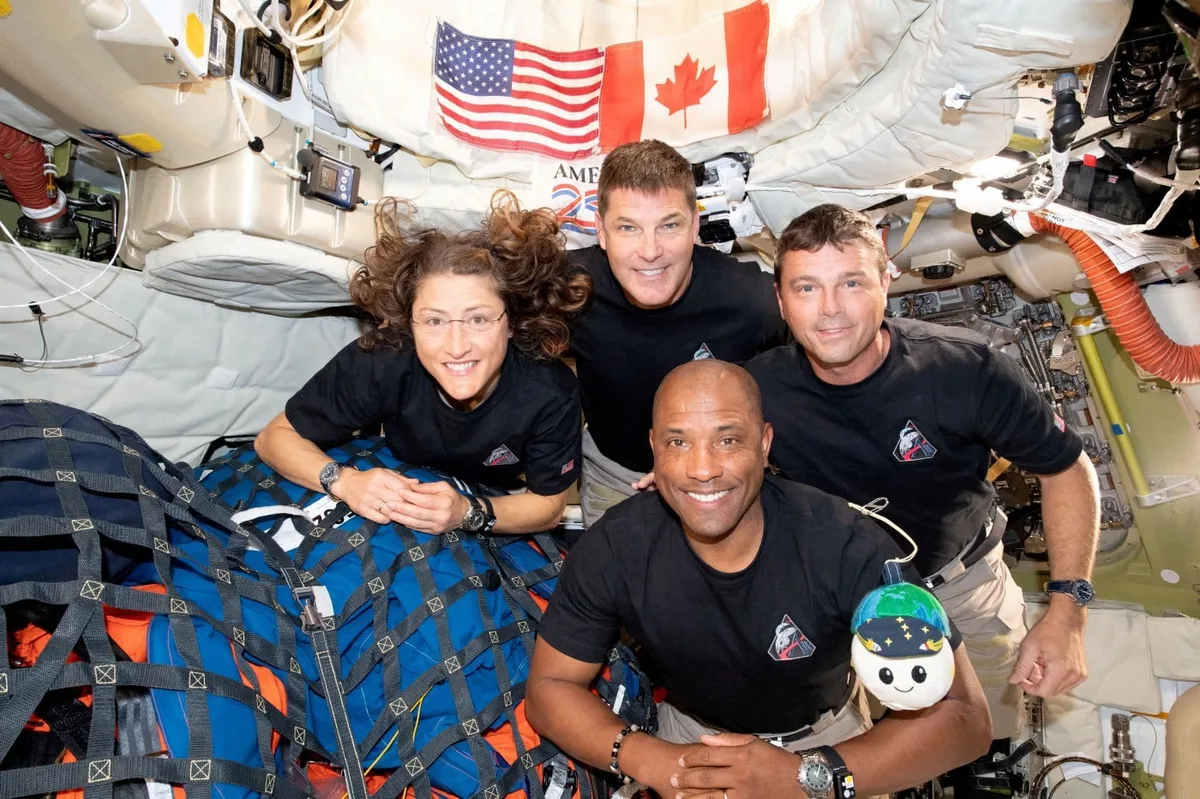
The Artemis 2 mission will have a crew of four. Three will be NASA astronauts: Reid Wiseman as commander, Victor Glover as pilot, and Christina Koch as mission specialist. The fourth crew member is Canadian Space Agency astronaut Jeremy Hansen.
Lunar Surface as Mars Proving Ground
The Artemis program aims to use the lunar surface as a testing ground for technologies and operations necessary for future human missions to Mars. This approach leverages the Moon's environment to validate systems for sustained habitation and resource utilization before attempting longer-duration Mars expeditions.
What's Next
NASA is preparing for the Artemis II launch in 2026. It remains uncertain how the mission will address the technical challenges identified.
4 sources
NASA targets Moon's far side for Artemis II exploration