Scientists develop DNA drug targeting cancer cells with precision
This digest was compiled by AI from multiple sources — links to the originals are below.
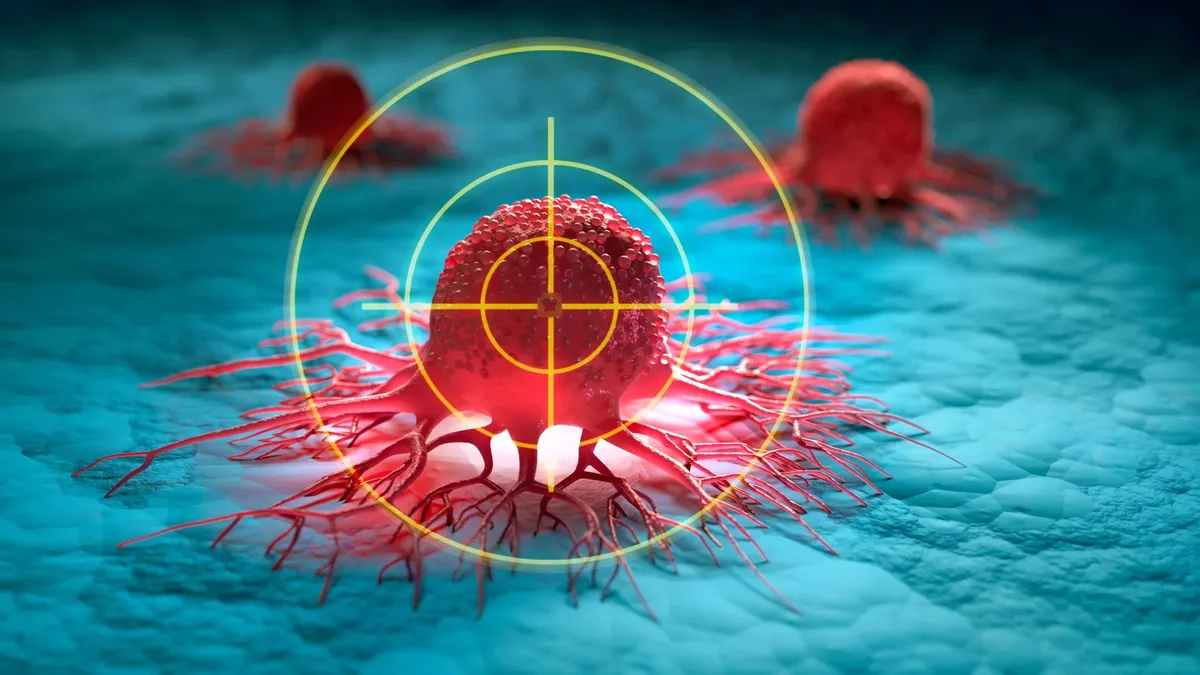
Scientists have engineered a programmable drug system using synthetic DNA to target cancer cells precisely. The system activates only upon detecting specific tumor markers, minimizing harm to healthy tissue. This innovation emerges even as traditional treatments face challenges with resistance.
Programmable Drug System
The newly developed drug system utilizes synthetic DNA to identify and target cancer cells. Researchers have designed it to activate only when a specific combination of tumor markers is present, ensuring precision in treatment. This approach aims to reduce collateral damage to healthy cells, a common issue in cancer therapies. The system's programmability allows for adaptability in targeting various cancer types. According to the research team, this could revolutionize personalized medicine.
Potential Overcoming of Drug Resistance
The DNA-based system can deliver multiple drugs simultaneously, addressing the challenge of drug resistance in cancer treatment. By targeting multiple pathways, the system may prevent cancer cells from developing resistance to treatment. This capability is particularly significant as resistance remains a major hurdle in oncology. The research, conducted by a team of scientists, suggests that such systems could become integral to future cancer therapies. The study highlights the potential for these drugs to function as responsive machines within the body.
CRISPR Gene-Editing Approval
The first CRISPR gene-editing medicine, named Casgevy, has been approved in the United States. This therapy targets sickle cell disease by addressing the mutated hemoglobin protein responsible for transforming healthy red blood cells into crescent-shaped cells. The approval marks a significant milestone in gene-editing applications for medical treatments.
CRISPR HIV Breakthrough
Researchers have achieved a significant milestone by using CRISPR technology to excise HIV from immune cells. The treated cells remained free of the virus even after subsequent exposure, indicating a potential path towards a cure. This development represents a promising advancement in the fight against HIV.
Tooth Regrowth Drug Development
Japanese scientists have developed a new drug aimed at naturally regrowing teeth in adults. This innovation could significantly alter dental care practices by providing a method to regenerate lost teeth, potentially eliminating the need for dentures or implants.
What's Next
Further clinical trials are anticipated to assess the system's efficacy and safety. It remains unclear how soon this technology will be available for widespread clinical use.
4 sources
Scientists develop DNA drug targeting cancer cells with precision