Nature launches CRISPR trial for rare diseases amid economic viability concerns
This digest was compiled by AI from multiple sources — links to the originals are below.

Nature has initiated a trial for CRISPR therapies targeting rare genetic diseases. The trial aims to make production economically viable. This development comes even as concerns about cost persist.
CRISPR Trial Launch
Nature has started a new trial to test CRISPR therapies for rare genetic diseases. The initiative seeks to address the economic challenges of producing these therapies. The trial is expected to involve thousands of patients, according to Nature News. This marks a significant step in personalized medicine, aiming to make treatments more accessible.
Economic Viability Concerns
The production of CRISPR therapies has faced economic hurdles due to high costs. Nature's trial aims to demonstrate that these therapies can be produced at a viable cost. Analysts note that the success of this trial could influence future investments in genetic medicine. Despite the potential, concerns about affordability and scalability remain.
CRISPR Beyond Gene Editing
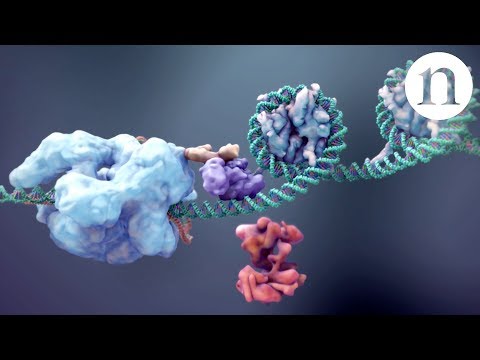
The CRISPR-Cas9 system can also regulate gene expression and fluorescently tag DNA sequences. These capabilities expand the technology's utility beyond cutting DNA.
Sickle-cell Disease Prevalence
Sickle-cell disease affects over 6 million people globally, with three-quarters residing in sub-Saharan Africa. Childhood mortality from the disease remains high in that region.
What's Next
The trial results are anticipated to be published in the coming months. It remains unclear if the economic model will prove sustainable.
3 sources
Nature launches CRISPR trial for rare diseases amid economic viability concerns