
Flock Safety handbook guides police on how to 'own the narrative'
This digest was compiled by AI from multiple sources — links to the originals are below.
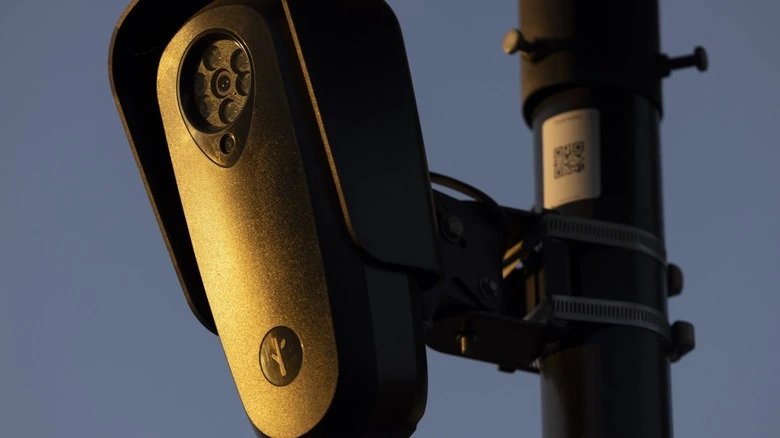
Flock Safety provides police agencies with an internal handbook on how to 'own the narrative' when selling its surveillance cameras to cities. The guide recommends meeting with city council members before votes and addressing concerns about data access. It comes as Flock's network exceeds 100,000 cameras and faces criticism over data sharing and effectiveness.
Key Facts
- Flock Safety operates a network of over 100,000 surveillance cameras.
- The internal handbook advises police to meet with city council members before votes occur.
- 5,000 Flock cameras cover Atlanta, where police are resolving fewer crimes.
- NPR reported that many city officials discovered their data was shared more broadly than known, including with U.S. Border Patrol.
The Handbook
Flock Safety provides police agencies with an internal handbook on how to 'own the narrative' when selling its surveillance cameras to cities. The guide recommends that officers meet with city council members before votes occur to curtail potential criticism during public comment periods. Questions encouraged for elected officials include what police can do with Flock cameras, how to tell if under surveillance, and concerns about a private company tracking movements in public.
Effectiveness and Data Sharing
Flock Safety positions its camera network as a safety tool that reduces crime by collecting license plate and car data, but this narrative does not play out. In Atlanta, 5,000 Flock cameras cover the city, yet police are resolving fewer crimes. The guide advises police to highlight unresolved crime and its impacts rather than discuss actual financials. NPR reported that many city officials realized after the fact that they were sharing data more broadly than known, and that federal agencies including U.S. Border Patrol had searched their data. Without specific legislation, which varies by municipality, police can share data with other law enforcement agencies, even across state lines.
1 source
Time · lag behind first