
Flock AI watchlist scans city cameras for written descriptions, guardrails record but don't stop misuse
This digest was compiled by AI from multiple sources — links to the originals are below.
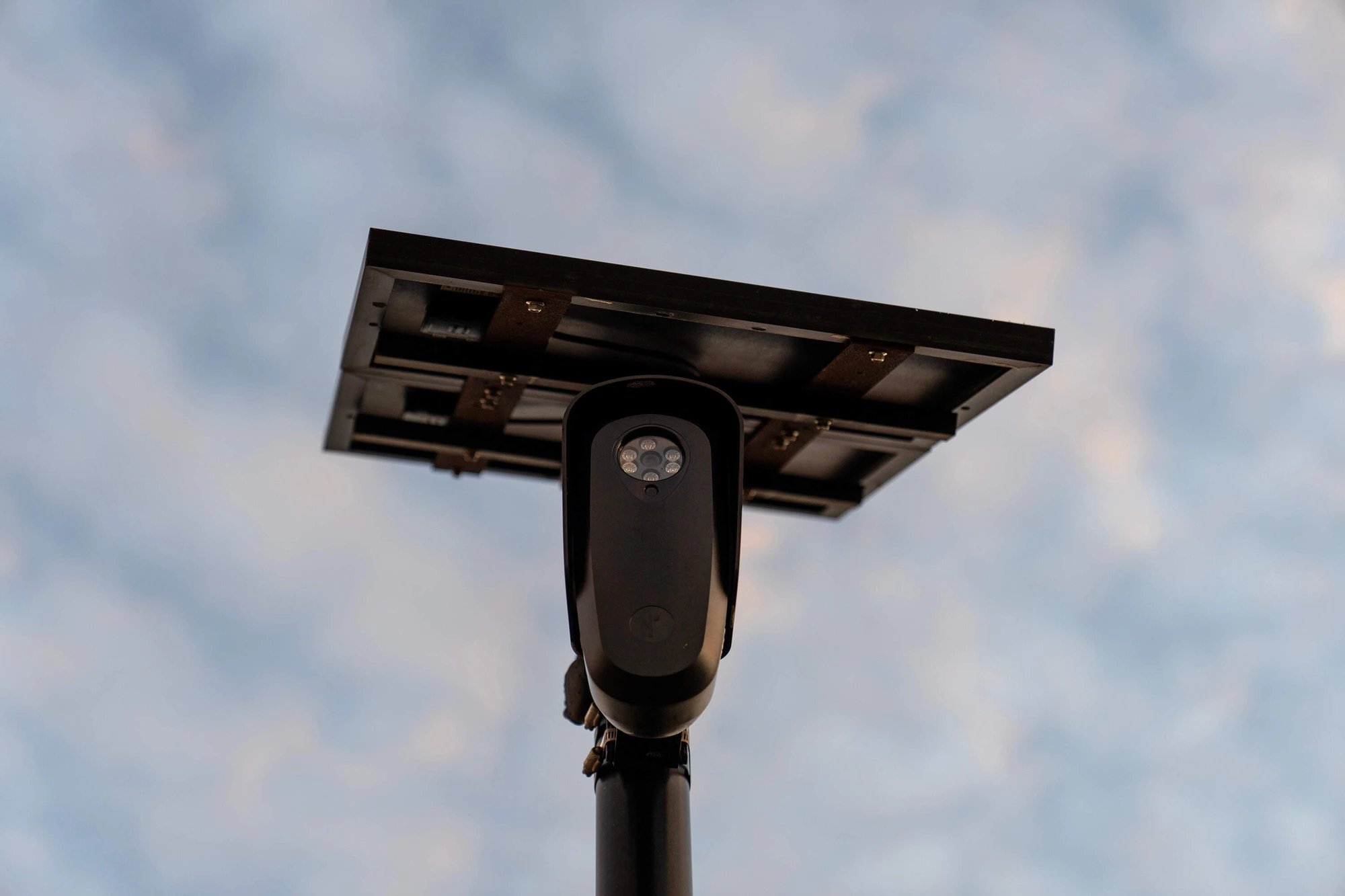
WIRED's analysis of Flock Safety's latest software reveals an AI-powered watchlist that continuously searches city cameras for anyone matching an officer's written description. The tool's guardrails may discourage and record abusive searches but do not stop them, according to the code review. Flock has faced contract cancellations and congressional scrutiny over the past year.
Key Facts
- Flock's AI-powered watchlist lets an officer cordon off a city area and run continuous automated searches for anyone fitting a written description.
- WIRED's code analysis found Flock's guardrails may discourage and record abusive uses but will not stop them.
- A Texas deputy searched more than 83,000 cameras for a woman who had an abortion, prompting a letter from two members of Congress to CEO Garrett Langley.
- Illinois found Flock let federal immigration agents access state camera data in violation of state law.
- Flock's system scores written descriptions against sensitive categories including race and religion, but 'political, social, and cultural expression' is the only category that will not stop a search.
AI Watchlist Capability
Flock Safety's latest search tools give police several ways to find people on camera, not just the license plates on their cars. Among the tools is an AI-powered watchlist that allows an officer to cordon off an area of a city and make the cameras inside it run a continuous, automated search for anyone fitting a written description. WIRED collected and analyzed the software Flock sends to a police officer's browser and created a mockup of what officers see when interacting with the system. Much of what governs a search happens on Flock's servers, outside the view of the department using the tool.
Guardrails and Limitations
Flock answered backlash in August with a package of changes that shortens the default data retention period, requires case codes for every search, and adds automated auditing to catch officers misusing the tool. WIRED's analysis found that Flock's guardrails may discourage some abusive uses of its tools and will record them, but will not stop them. Experts who study automated screening and police technology say Flock has given its AI a job no technology does reliably. Flock's system decides, out of sight of the department using it, which descriptions of a person an officer may search for, and no screen operating at that scale is accurate, the experts say. The company warns officers that results may be inaccurate or incomplete and should not be relied on alone, but puts the 'risk of any inaccuracies' on the officer running the search.
Sensitive Content Scoring
Flock's system scores an officer's written description against several categories of sensitive content, including race and religion. The category 'political, social, and cultural expression' is the only one that will not stop a search. Tom Bowman, policy counsel with the Center for Democracy and Technology's security surveillance project, says the one sensitive category Flock guards with a speed bump instead of a stop is the one courts have guarded most closely.
1 source
Time · lag behind first