
TrendForce projects HBM prices to more than double in 2027
This digest was compiled by AI from multiple sources — links to the originals are below.
TrendForce projects average HBM selling prices to rise 121% in 2027 from 2026 levels. The increase is driven by persistent HBM shortages, a shift to pricier HBM4, and HBM4E ramp-up in the second half of 2027. Micron has already allocated nearly all of its 2027 HBM supply, leaving SK hynix and Samsung to negotiate higher prices.
Key Facts
- TrendForce forecasts a 121% increase in average HBM selling prices in 2027 compared to 2026.
- A 36GB 12-layer HBM4 chip priced at about $600 in 2026 will rise to $1,300 in 2027.
- Micron has allocated nearly all of its HBM supply for 2027, with prices significantly higher than in 2026.
- Samsung's HBM market share by value rose from 21% to 33% in Q2 2026, while SK hynix fell from 58% to 50% and Micron from 21% to 18%.
- HBM production will consume almost 30% of global DRAM capacity in 2027, up from up to 20% in 2026.
Price Surge Drivers
TrendForce attributes the 121% price increase to three factors: persistent HBM shortages, a growing share of pricier HBM4, and the ramp-up of HBM4E starting in the second half of 2027. The transition from HBM3E to HBM4 will lift memory supply revenue, though the picture will be uneven due to differing contract terms between buyers and manufacturers. Micron Technology stated it has almost fully allocated its HBM supply quotas for all of next year, with prices noticeably higher than this year. With Micron's 2027 quotas sold out, SK hynix and Samsung Electronics gain leverage to negotiate higher prices with customers.
Market Share Shift
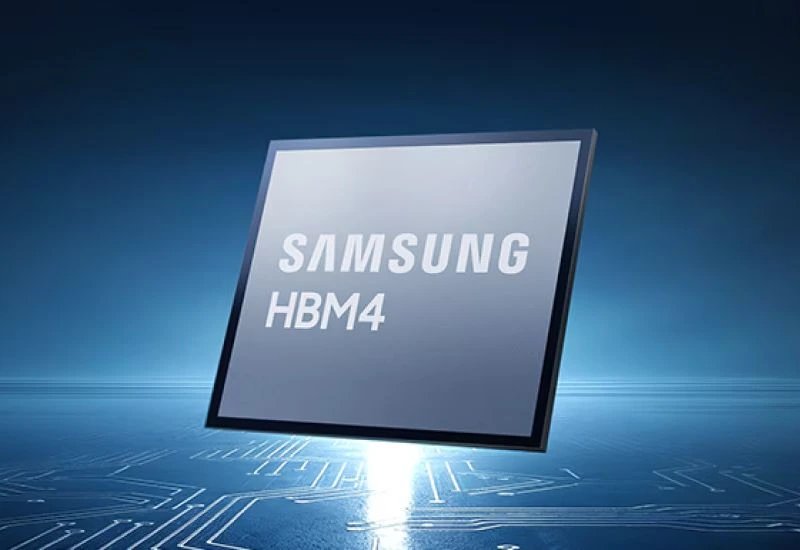
Counterpoint Research reports Samsung's HBM market share by value climbed from 21% to 33% in the second quarter of 2026. SK hynix's share dropped from 58% to 50%, while Micron's fell from 21% to 18% in the same period. Samsung began shipping HBM4 to customers this year and is supplying samples of 12-layer HBM4E chips. SK hynix has been mass-producing HBM4 since the second quarter, and by July its quality level matched HBM3E.
Capacity Constraints
HBM stacks use 12 to 16 dies, creating high demand for silicon wafers. Samsung estimates HBM production consumed up to 20% of global DRAM capacity in 2026, rising to nearly 30% in 2027. Samsung's expansion of HBM4 and HBM4E output could increase its memory revenue, provided customers complete certification and quality remains stable.
1 source
Time · lag behind first