
NASA to Fly Uncrewed Starliner to ISS This Winter Before 2028 Crewed Mission
This digest was compiled by AI from multiple sources — links to the originals are below.
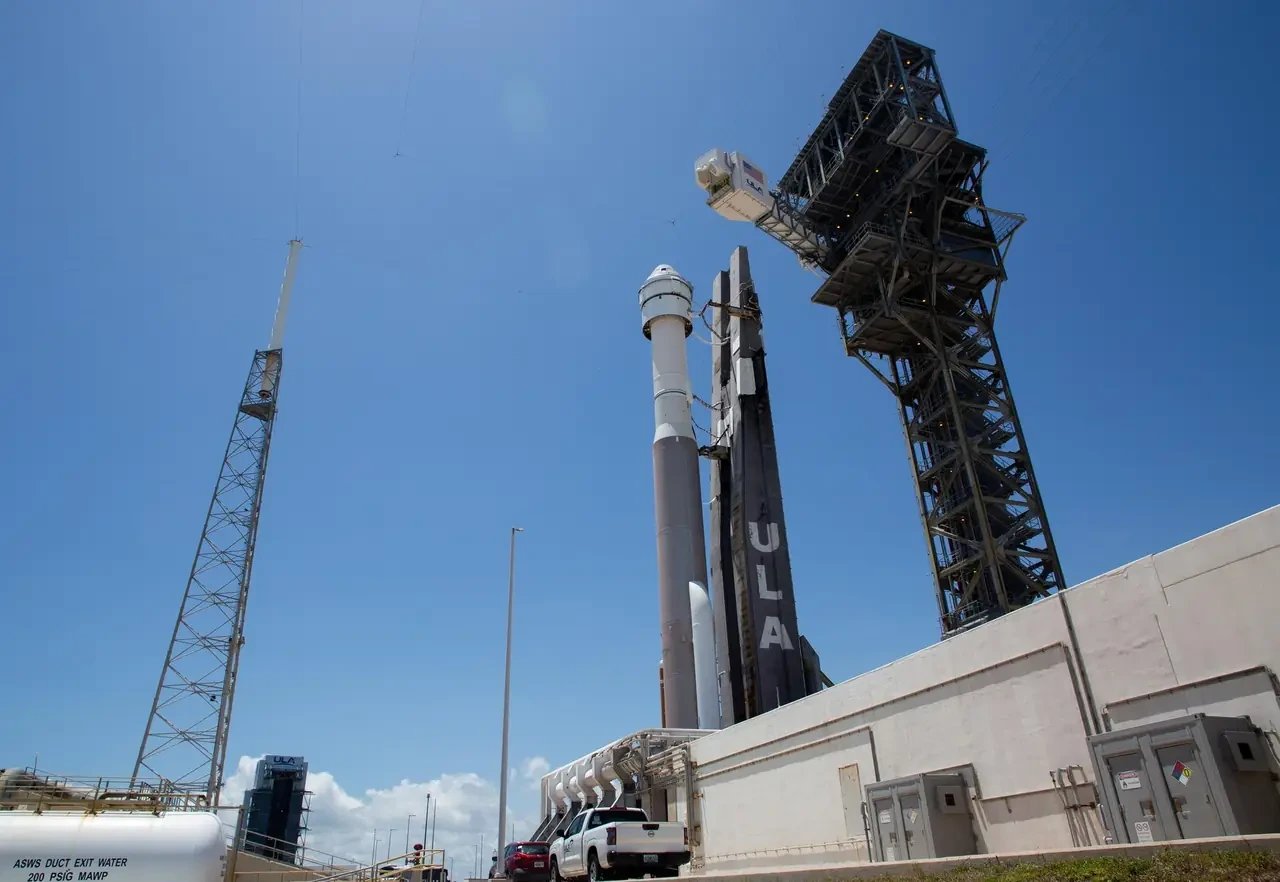
NASA and Boeing plan an uncrewed Starliner flight to the International Space Station in December 2026 or January 2027 to validate fixes from the 2024 Crew Flight Test. The mission precedes a crewed Starliner-2 flight targeted for 2028 under commander Warren Hoburg. The plan aims to restore Boeing's capsule as a second U.S. crew transport alongside SpaceX's Crew Dragon.
Key Facts
- Starliner-1, an uncrewed cargo mission, is planned for a December 2026 or January 2027 launch window.
- A crewed Starliner-2 flight is targeted for 2028 with NASA astronaut Warren "Woody" Hoburg as commander.
- The 2024 Crew Flight Test launched June 5, 2024, and its astronauts returned on a Crew Dragon on March 18, 2025, after 286 days in orbit.
- Investigators found five service-module thrusters failed during rendezvous due to Teflon poppet extrusion in propellant valves.
- Boeing will replace valves on all 12 crew-module reaction-control thrusters and redesign service-module thruster poppets.
Mission Timeline
Starliner-1 will rendezvous and dock with the International Space Station during a December 2026 or January 2027 window. Flight controllers will put redesigned thrusters, thermal changes, and pressurization systems through aggressive on-orbit tests. A crewed Starliner-2 flight is targeted for 2028 under veteran NASA astronaut Warren "Woody" Hoburg as commander. Dana Weigel, manager of NASA's Low Earth Orbit Program, said the agency's goal is to keep two independent crew transportation providers.
2024 Flight Anomalies
Astronauts Barry "Butch" Wilmore and Sunita Williams launched on June 5, 2024, for what was billed as about a 10-day checkout. Helium leaks and thruster failures during rendezvous forced a long stay on orbit, and Starliner returned empty about three months after launch. Wilmore and Williams came home on a Crew Dragon on March 18, 2025, after a mission that lasted 286 days. An independent review later called the propulsion mishaps a close call.
Corrective Actions
Investigators highlighted five service-module thrusters that failed during rendezvous because Teflon poppets extruded in propellant valves and restricted flow. A crew-module thruster failed during the unpiloted descent, removing redundancy in a critical system. The board also found the design lacked required redundancy for the burn that drops the spacecraft out of orbit. Contract changes announced with NASA cover replacement valves on all 12 crew-module reaction-control thrusters plus corrosion protections. Boeing will also redesign service-module thruster poppets, record chamber pressure more frequently, improve a parachute joint, and use NASA-provided upgraded batteries.
1 source
Time · lag behind first