
US sports betting hits $166 billion, surpassing movies, music, and museums combined
This digest was compiled by AI from multiple sources — links to the originals are below.
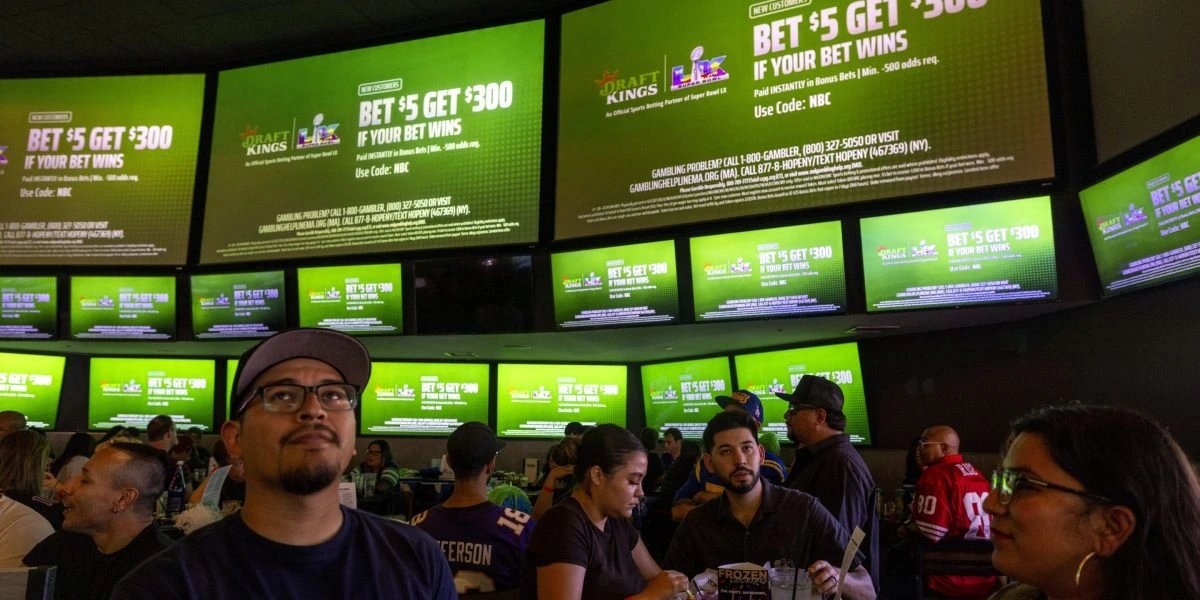
Americans wagered roughly $166 billion on sports in 2025, exceeding combined spending on movies, music, and museums. Prediction markets like Kalshi and Polymarket are capturing a growing share of that money, with 35% of bettors reducing traditional sportsbook use. State regulators are fighting back through cease-and-desist orders, lawsuits, and Arizona's first criminal charges against Kalshi.
Key Facts
- Americans placed roughly $166 billion in sports bets in 2025, more than double the $70 billion spent on movies, music, and museums combined.
- 35% of bettors say they are using traditional sportsbooks less because prediction markets like Kalshi and Polymarket have changed how they bet.
- Kalshi faces cease-and-desist orders or lawsuits in at least six states, and Arizona filed the first criminal charges against the company in March.
- Federal courts have split on regulation: judges in Nevada and New Jersey sided with Kalshi, while a Maryland judge ruled its sports contracts are wagers.
- Florida's tribal casino sports betting handle is not publicly disclosed, with economist Victor Matheson estimating it at $5–10 billion.
The $166 Billion Market
In 2025, Americans placed roughly $166 billion in bets on sporting events, according to Fortune. That figure exceeds the combined $70 billion spent on movies, music, and museums in the same year. The North American box office totaled $8.87 billion, recorded music revenue hit $11.5 billion, and live music brought in $18.51 billion. Book publishers reported $14.6 billion, and the U.S. museum industry generated an estimated $16.4 billion. Economist Victor Matheson of Holy Cross said the actual total is likely higher because tribal casino handles in Florida, Washington, and Wisconsin are not publicly disclosed.
Prediction Markets and Regulatory Fight
Fortune reported that 35% of bettors say they are using traditional sportsbooks less because prediction markets like Kalshi and Polymarket have changed how they bet. Billions of dollars in sports wagering have moved into prediction markets that are not classified as gambling and are invisible to state regulators. Kalshi is facing cease-and-desist orders or lawsuits in at least six states, and in March Arizona became the first state to file criminal charges against the company. Federal courts have split: judges in Nevada and New Jersey initially sided with Kalshi's argument that federal commodities law overrides state gambling law, while a Maryland judge ruled its sports contracts are wagers. Those cases are now on appeal, and the outcome could reshape who taxes and regulates sports wagering nationwide.
Industry and Cultural Shift
Martin Conway, an adjunct lecturer at Georgetown University's Sports Industry Management program, said sports gambling will crowd out other forms of entertainment and hospitality. Conway noted that sports gambling has become more ubiquitous and accepted as a form of entertainment. He added that betting has evolved from simply picking winners to engaging with specific events within a game. Victor Matheson estimated Florida alone accounts for between $5 billion and $10 billion in sports betting handle.
1 source
Time · lag behind first