
Dangote plans $15 billion refinery near Lamu's UNESCO-listed Old Town
This digest was compiled by AI from multiple sources — links to the originals are below.
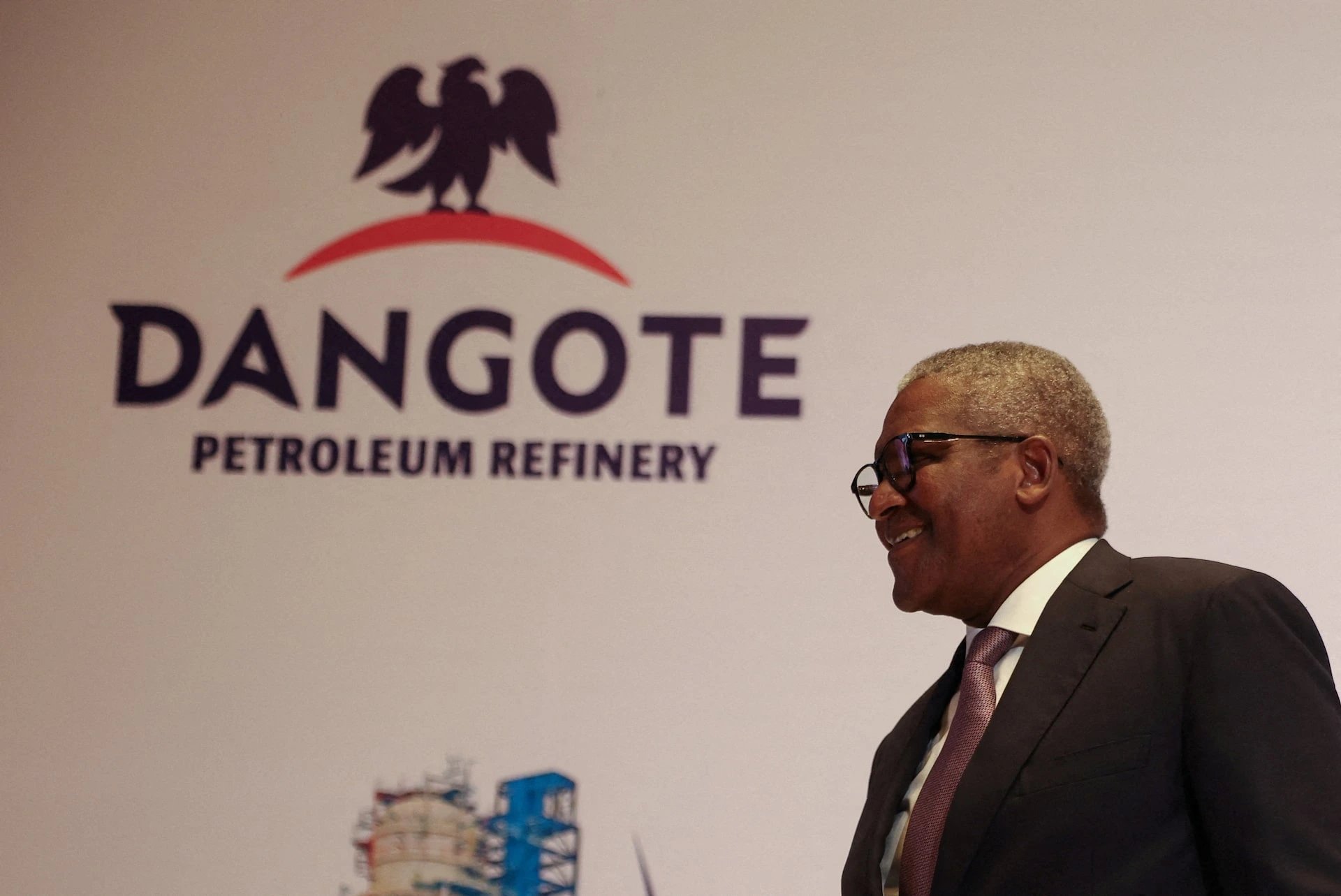
Aliko Dangote is laying the groundwork for a $15 billion oil refinery across the bay from Lamu Old Town, a UNESCO World Heritage site on Kenya's coast. The project promises 60,000 jobs and greater energy security but faces a court-ordered pause after more than 100 residents sued over ancestral land. Tourism operators and environmentalists warn the development could alter the character of the 700-year-old Swahili settlement.
Key Facts
- Dangote Industries has started soil tests and is ordering equipment for the refinery, according to group vice president Devakumar V. G. Edwin.
- A Kenyan court in late September ordered a pause to construction after more than 100 Lamu residents sued over ancestral land.
- Kenyan officials say the $15 billion project would create 60,000 jobs across construction and operations.
- The Kenyan government has acquired an equity stake in the project, which has strong political backing.
- The U.N. describes Lamu Old Town as "the oldest and best-preserved Swahili settlement in East Africa."
The Refinery Project
Africa's richest man, Nigerian oil magnate Aliko Dangote, is laying the groundwork for a giant refinery across the bay from Lamu Old Town. Dangote Industries has already started soil tests and is ordering equipment for the refinery, according to group vice president Devakumar V. G. Edwin. "We want to do it on a fast-track basis," Edwin said. Kenyan officials say the $15 billion project would boost Kenya's energy security and reduce East Africa's reliance on refined-fuel imports from the Gulf. The project would also create 60,000 jobs across construction and operations, they say.
Local Opposition and Court Action
In late September, a Kenyan court ordered a pause to construction after more than 100 Lamu residents sued alleging that the refinery threatened ancestral land where they had farmed and buried their families for generations. Tourism operators and environmentalists are worried about the potential impact on Lamu and neighboring islands, as well as the character of a remote site that has proven remarkably resistant to change. Jamil Mbarak, whose family owns the Banana House and Wellness Centre resort in Shela, said, "People come here because it feels like it's at the edge of the world." Mbarak fears that view may soon be blemished by passing oil tankers, and the breeze could carry industrial odors from the refinery.
Lamu's Heritage and Government Support
The U.N. describes Lamu Old Town, designated as a World Heritage site, as "the oldest and best-preserved Swahili settlement in East Africa." Its narrow, labyrinthine streets are lined with stone buildings that blend Swahili, Arabic, Persian, Indian and European building styles. The Kenyan government has already built a large container port on the mainland a few miles from Lamu Island, its lights and cranes visible from the rooftop of Banana House. The Kenyan government has acquired an equity stake in the project, which has strong political backing, bolstered by the fallout of the U.S.-Iran war on international energy markets.
1 source
Time · lag behind first