
Dangote selects Lamu for $17bn East Africa refinery
This digest was compiled by AI from multiple sources — links to the originals are below.
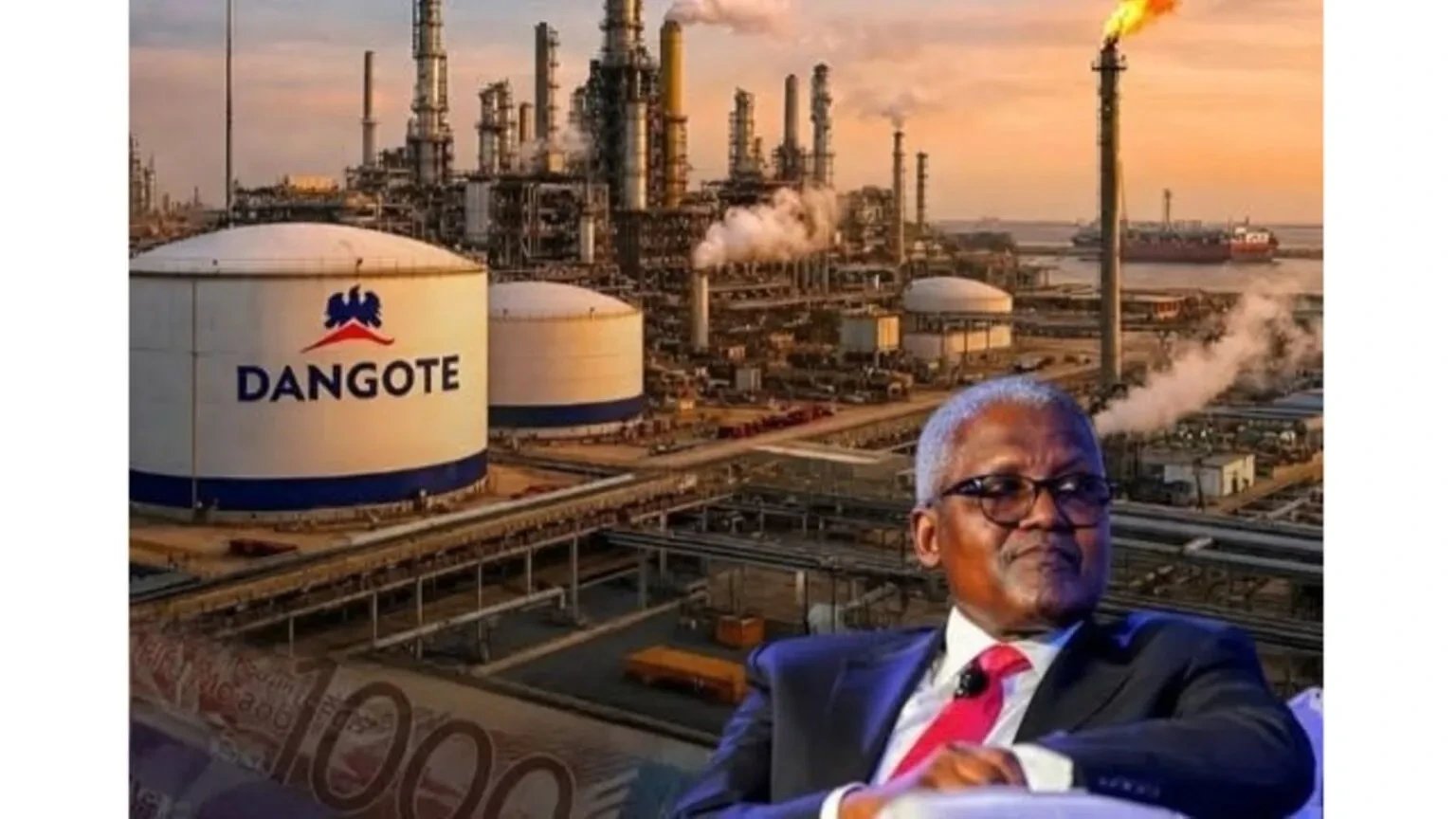
Aliko Dangote has chosen Lamu Island in Kenya as the site for a $17 billion, 700,000-barrel-per-day refinery. The project, Africa's second largest refinery, will process crude for Kenya and neighboring Uganda, Rwanda, Burundi, South Sudan and the DRC. Kenya has pledged Ksh21.5 billion in seed capital and invited neighbors to take stakes.
Key Facts
- The Lamu refinery will have a capacity of 700,000 barrels per day, exceeding East Africa's current refined fuel demand of roughly 450,000 bpd.
- Kenya's government pledged seed capital of Ksh21.5 billion (about S$166 million) for the project.
- Tanzania and Uganda signed a deal with Vitol Bahrain to develop a $20 billion regional energy hub in Tanga.
- The Tanga hub will use the nearly complete East African Crude Oil Pipeline (EACOP) for petroleum storage and blending.
Site Selection
The refinery idea was first floated in early 2026, with Dangote agreeing to lead construction on condition that Kenya, Tanzania and Uganda agree on a location. The three countries initially appeared to settle on Tanga, Tanzania, before questions arose about Kenyan President William Ruto's motives for supporting a facility outside his own country. Tanzanian President Samia Suluhu Hassan publicly rebuked Ruto for announcing the project in her country without prior consultation. Dangote's team weighed Hoima, Uganda, and Mombasa, Kenya, before settling on Lamu.
Regional Rivalry
Tanzania and Uganda launched a counter-move weeks after Kenya secured the Dangote project, announcing a partnership with Vitol Bahrain for a $20 billion energy hub in Tanga. The deal was signed in Dar es Salaam by the Uganda National Oil Company (UNOC), the Tanzania Petroleum Development Corporation (TPDC) and Vitol Bahrain. The Tanga hub will use the nearly complete East African Crude Oil Pipeline (EACOP) for petroleum storage and blending. The pipeline will offer landlocked nations such as Uganda, Rwanda, Burundi and the DRC an alternative fuel supply corridor, reducing reliance on Kenya's Port of Mombasa or the Lamu refinery.
1 source
Time · lag behind first