
Tajikistan begins receiving Iranian oil, testing new supply route
This digest was compiled by AI from multiple sources — links to the originals are below.
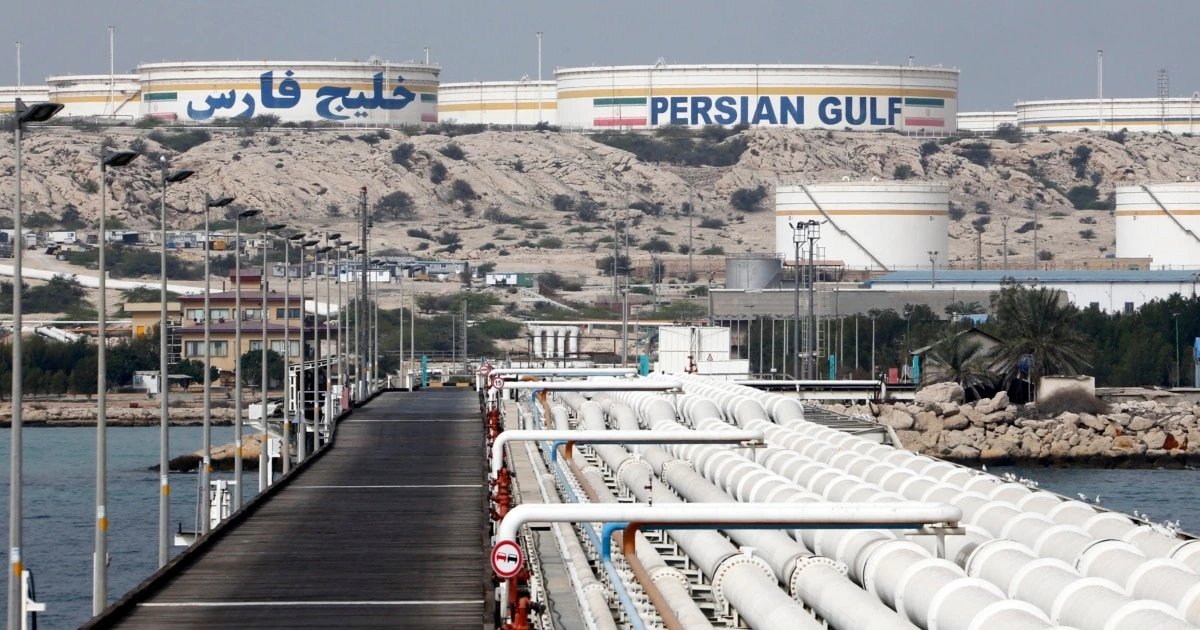
Tajikistan's Energy Ministry announced it is receiving oil and petroleum products from Iran, with deliveries starting in late August. The ministry did not disclose volumes, commercial terms, or transport routes. The move comes as Tajikistan faces fuel supply uncertainty from Russia, which accounted for over 91% of its petroleum-product imports in the first half of 2026.
Key Facts
- Tajikistan's Energy and Water Resources Ministry announced deliveries of Iranian oil and petroleum products began in late August.
- Tajikistan has requested up to 2.55 million tons of crude oil and petroleum products annually from Iran, including gasoline, diesel, and jet fuel.
- Russia accounted for more than 91 percent of Tajikistan's petroleum-product imports in the first half of 2026.
- US Treasury spokeswoman Gigi O'Connell warned that anyone operating in Iran's petroleum and petrochemical sectors incurs sanctions risk.
- A Tajik delegation visited Tehran in August for talks with Iranian officials on oil products and railways.
Iranian Oil Deliveries
Tajikistan's Energy and Water Resources Ministry told Asia-Plus that deliveries of Iranian oil and petroleum products began in late August. The ministry has not disclosed the volume of shipments, commercial terms, or transport routes. Tajikistan has asked Iran to supply up to 2.55 million tons of crude oil and petroleum products annually, including gasoline, diesel, and jet fuel. That figure represents a requested or potential volume rather than the amount currently being delivered.
Sanctions Risk
The move raises questions about potential US secondary sanctions for doing business with Iran. US Treasury spokeswoman Gigi O'Connell said the department would not comment on specific allegations of sanctions violations. O'Connell warned that Iran's petroleum and petrochemical sectors are subject to increased sanctions risk. Anyone operating in that sector incurs that risk themselves should they continue to choose to do so, O'Connell said.
Russian Fuel Uncertainty
The oil deal comes as Tajikistan faces continued uncertainty over fuel supplies from Russia. Russia accounted for more than 91 percent of Tajikistan's petroleum-product imports in the first half of 2026. Russian fuel shortages and export restrictions, exacerbated by Ukrainian drone strikes on Russian oil refineries, have prompted Tajikistan and other Central Asian countries to seek alternative sources. In July, Tajik authorities said they were in talks with neighboring countries to secure future supplies. Tajik political analyst Parviz Mullojonov said the search for Iranian supplies was being driven in part by Tajikistan's need to secure alternative energy sources.
2 sources
Time · lag behind first