
Bank of England's Mann says central bank mishandled Iran shock response
This digest was compiled by AI from multiple sources — links to the originals are below.
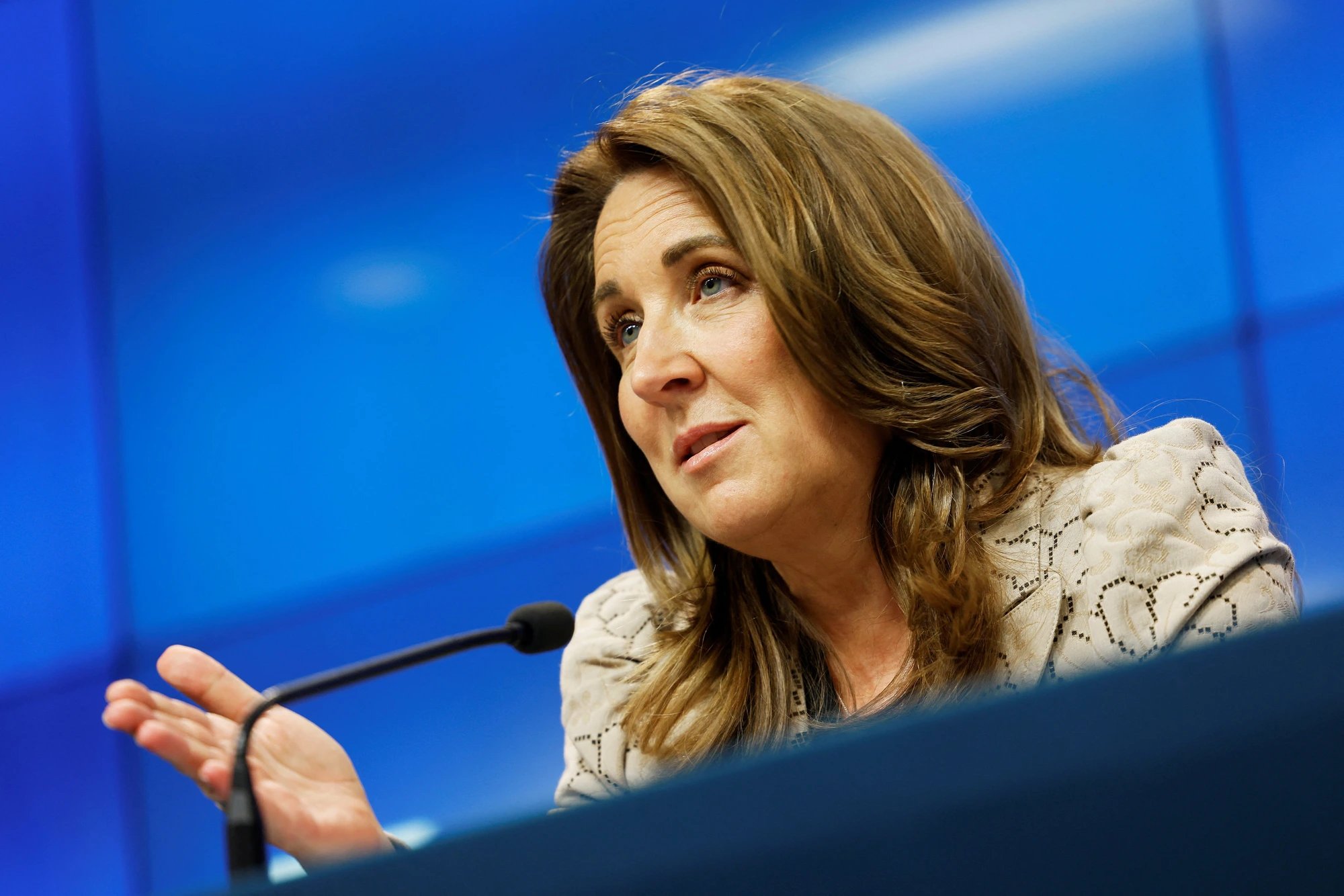
Bank of England rate-setter Catherine Mann said the central bank made errors in its initial response to the Iran war shock, pushing up UK borrowing costs. She said the rise in market interest rates reflects higher inflation expectations and a monetary policy uncertainty premium, not tighter policy. Her view contrasts with Governor Andrew Bailey and other MPC members who see the market moves as buying time.
Key Facts
- Catherine Mann said the Bank of England's March response to the Iran war was perceived by investors as 'wait mode' rather than action to control inflation.
- Mann voted to raise rates to 4% from 3.75% last month, against the majority who voted to hold.
- Bank of England research shows market uncertainty about the interest rate path rose after the March meeting, when it normally falls after decisions.
- Mann said the Bank's decision not to publish a baseline forecast in its quarterly projections a month later likely added to uncertainty.
- Chief economist Huw Pill has also criticised the central bank's communications as too passive in the face of rising inflation threats.
Policy Response Criticism
Mann said the Bank of England's initial response in March to the outbreak of war in Iran was framed as 'wait mode' rather than necessary action to control inflation. She traced the risk premium in UK borrowing costs to those communication errors. Her comments align with chief economist Huw Pill, who has also criticised the central bank's communications as too passive. Mann pointed to Bank of England research showing market uncertainty about the interest rate path rose after the March meeting, when it normally falls after decisions. The Bank's decision not to publish a baseline forecast in its quarterly economic projections a month later likely added to the sense of uncertainty, Mann said.
Market Impact
Higher interest rates paid by households, businesses and the government may reflect expectations of higher inflation rather than contributing to slowing future price growth, Mann said. She said she cannot take comfort from tighter nominal financial conditions when much of the tightening reflects a higher inflation risk premium and a monetary policy uncertainty premium. Mann said real financial conditions are insufficiently tight and the appropriate response is a clearly communicated reaction function and a sufficiently restrictive path for Bank Rate.
MPC Divisions
Mann voted to raise rates to 4% from 3.75% last month, against the majority who voted to hold. Her view stands at odds with Governor Andrew Bailey and others on the Monetary Policy Committee, who have said the rise in market borrowing costs bought the Bank time to consider whether to raise rates itself. Mann made the remarks in a speech at the Nomura London Macro Forum on Thursday.
2 sources
Time · lag behind first